



Planting and Growing peacock moss

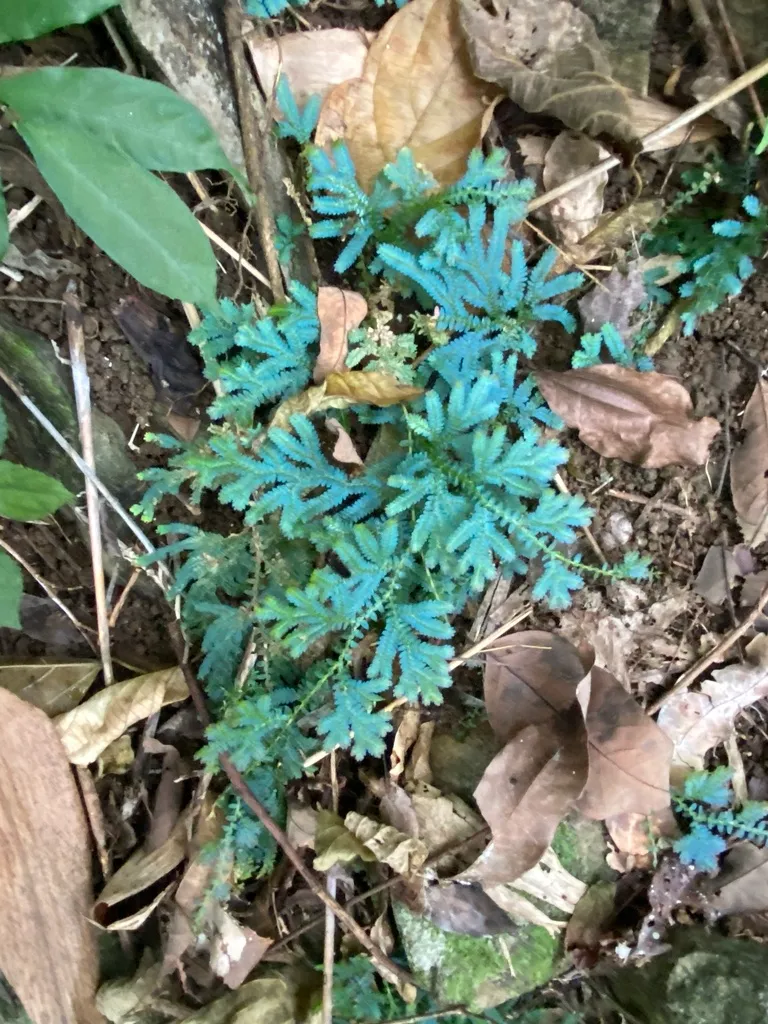
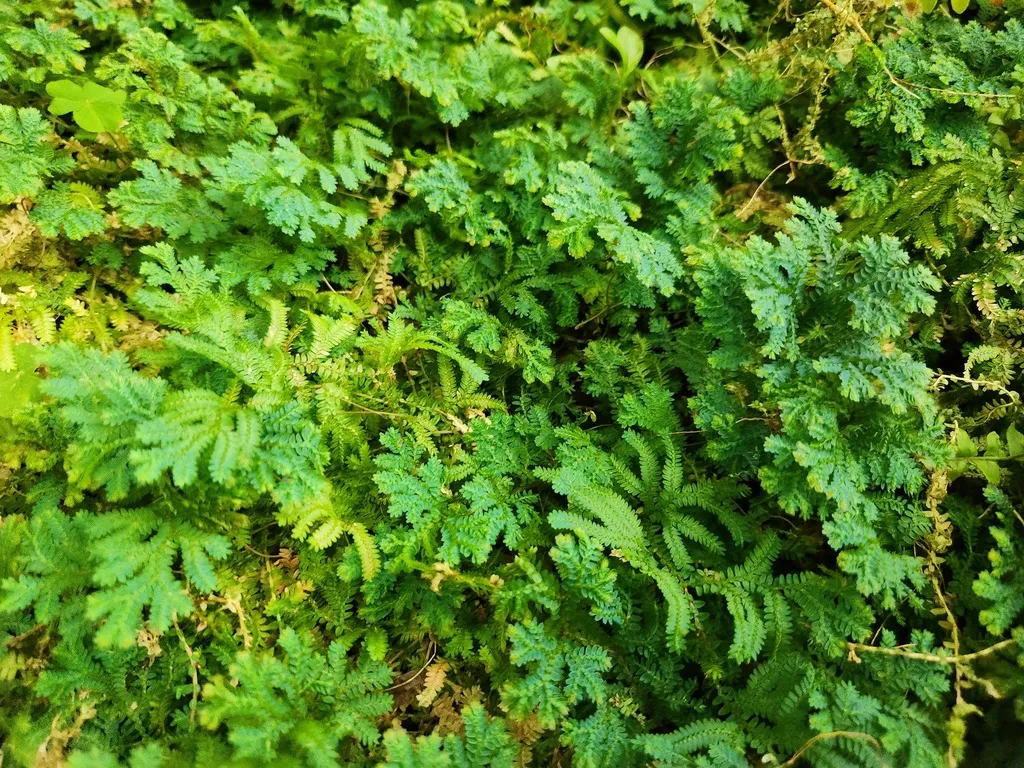
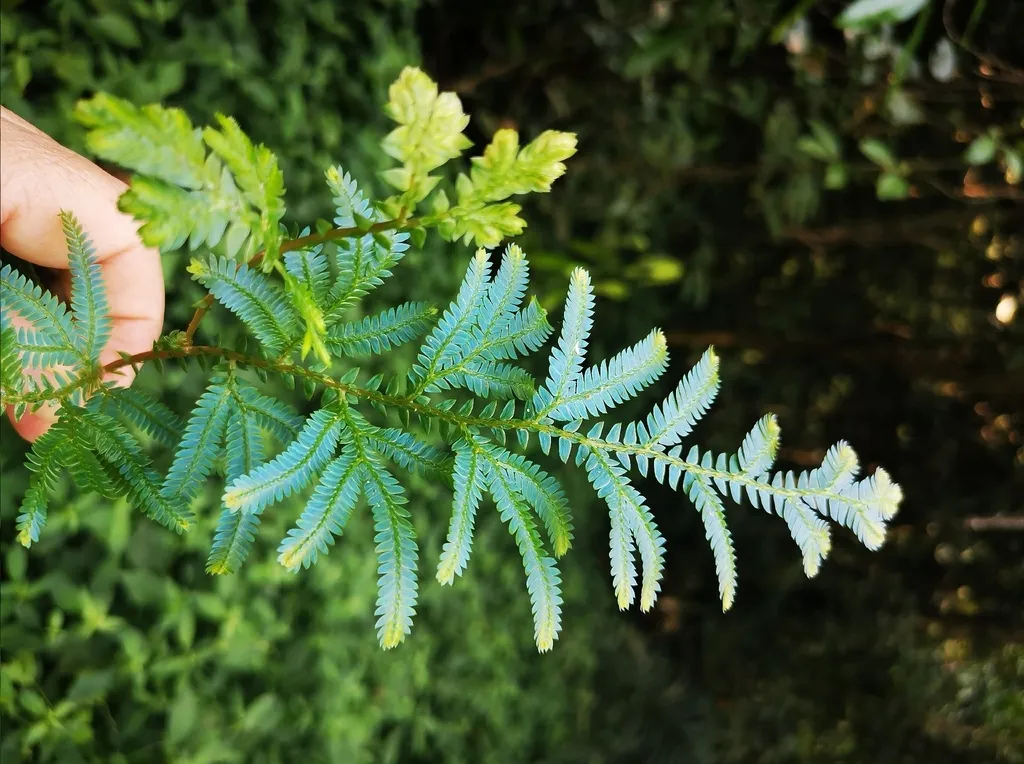
| Care difficulty | 3 / 5 |
|---|---|
| Watering schedule | Moderate regular watering, allowing brief slight drying between soakings |
| Sunlight requirements | Partial shade |
| Ideal temperature | Information to be completed |
| Soil type | Loam · Clay |
| Soil pH | Neutral · Acid |
| Soil moisture | Moist but well drained · Poorly drained |
| Fertilizing | Balanced perennial feed every four weeks from spring through summer |
| Toxicity | Information to be completed |
How to Water peacock moss?
Moderate regular watering, allowing brief slight drying between soakings
Learn more →What Are the Sunlight Requirements for peacock moss?
Partial shade
Learn more →What Soil Is Best for peacock moss?
- Soil type
- Loam · Clay
- Soil pH
- Neutral · Acid
What Are the Moisture Requirements for peacock moss?
Moist but well drained · Poorly drained
Learn more →How to Fertilize peacock moss?

Balanced perennial feed every four weeks from spring through summer
Learn more →How to Prune peacock moss?

Generally not required. Can prune out and faded growth as necessary
Learn more →How to Propagate peacock moss?

Propagate by division or spores
Learn more →How to Plant peacock moss?
Under glass, grow in loam-based compost with added leaf mould. Water freely & feed monthly from April to September. Outside grow in moderately fertile, humus-rich, moist, neutral to acid soil in partial shade and provide winter protection. In cold areas, grow in containers & overwinter indoors.
Learn more →Common Pests & Diseases

Diseases
Generally disease-free
Pests
May be susceptible to slugs or snails.
Explore the plant health library →