
peacock moss
Also known as: blue spike moss; rainbow fern
A spreading or trailing, stem-rooting, semi-evergreen perennial forming a mat of finely divided moss like, metallic blue-green leaves.
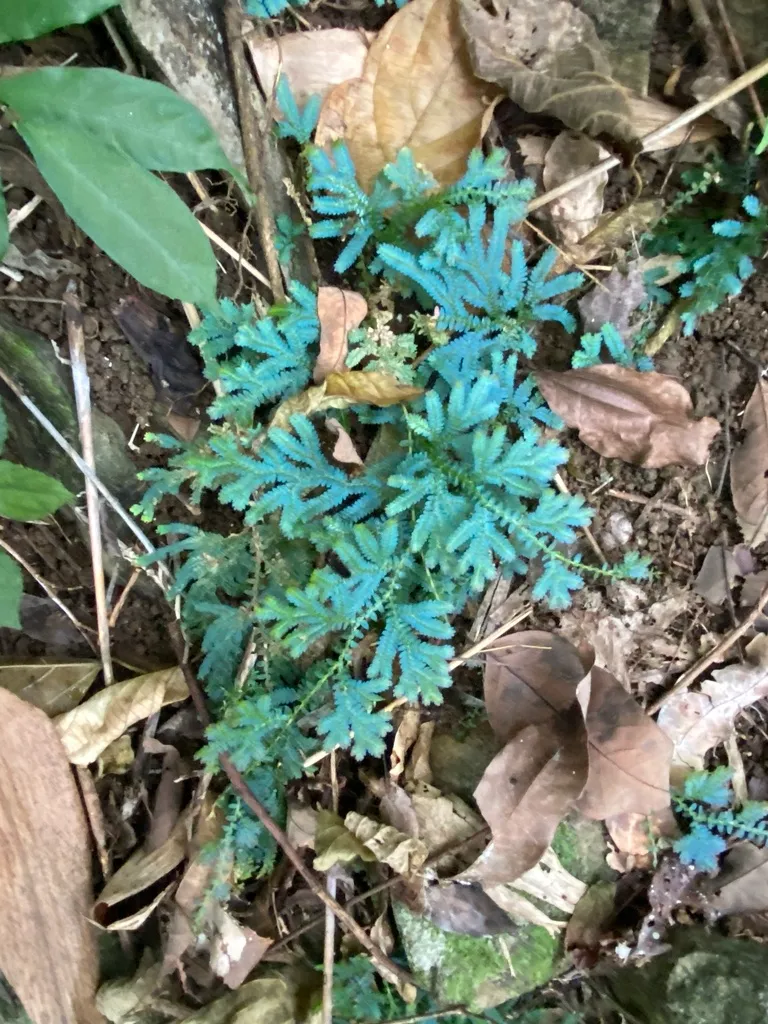
Scientific classification
- Species
- peacock moss (Selaginella uncinata)
- Genus
- Selaginella
- Family
- Selaginellaceae
- Order
- Selaginellales
- Class
- Lycopodiopsida
- Phylum
- Lycopodiophyta
- Information to be completed
- Toxicity
- Herbaceous Perennial
- Plant type
- Up to 10 cm
- Height
- 0.1-0.5 metres
- Spread
- Semi evergreen
- Foliage
- Matforming
- Habit
- Spring · Summer · Autumn · Winter
- Season of interest
- Partial shade
- Sunlight
- Information to be completed
- Ideal temperature









peacock moss pictures
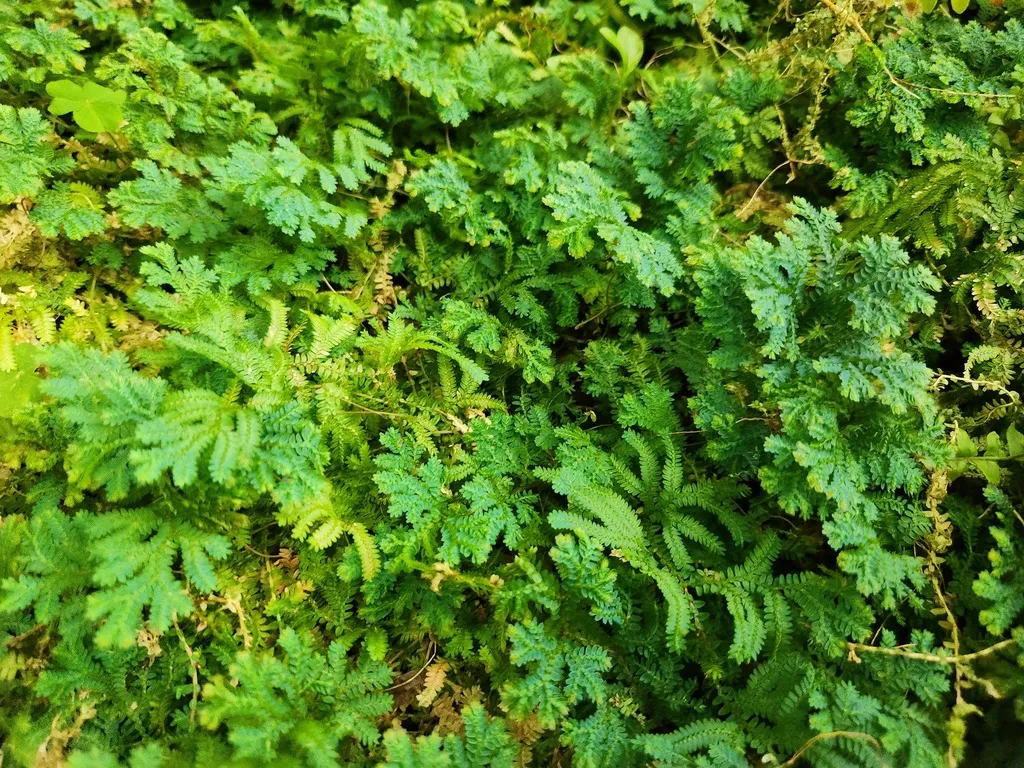
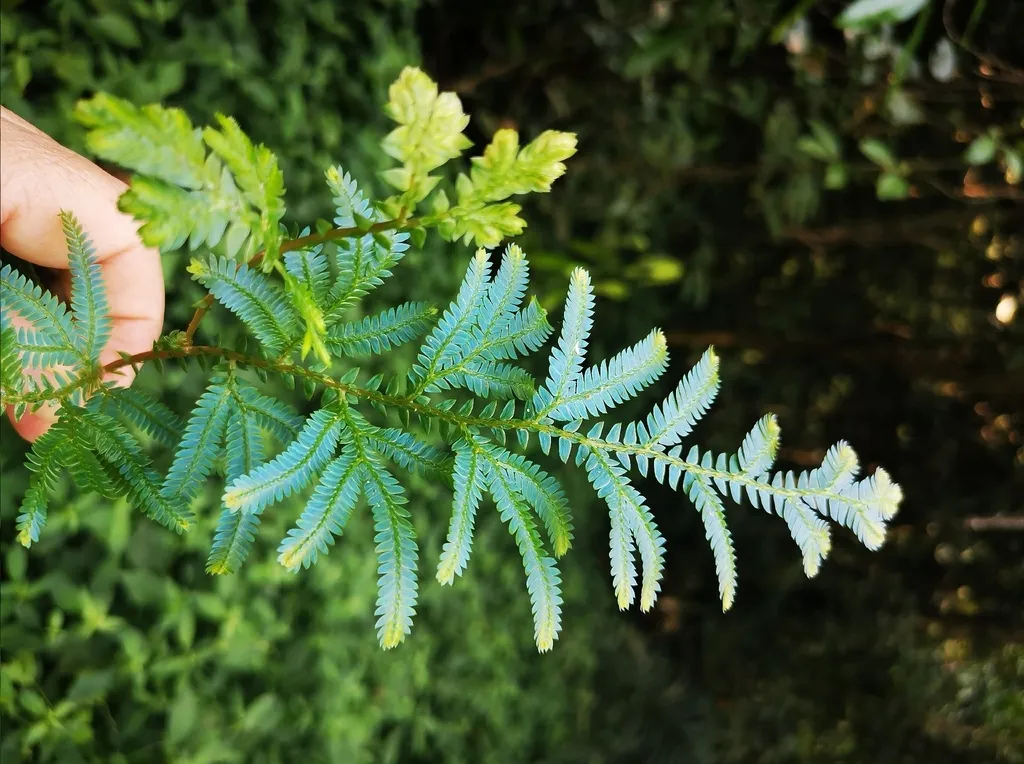
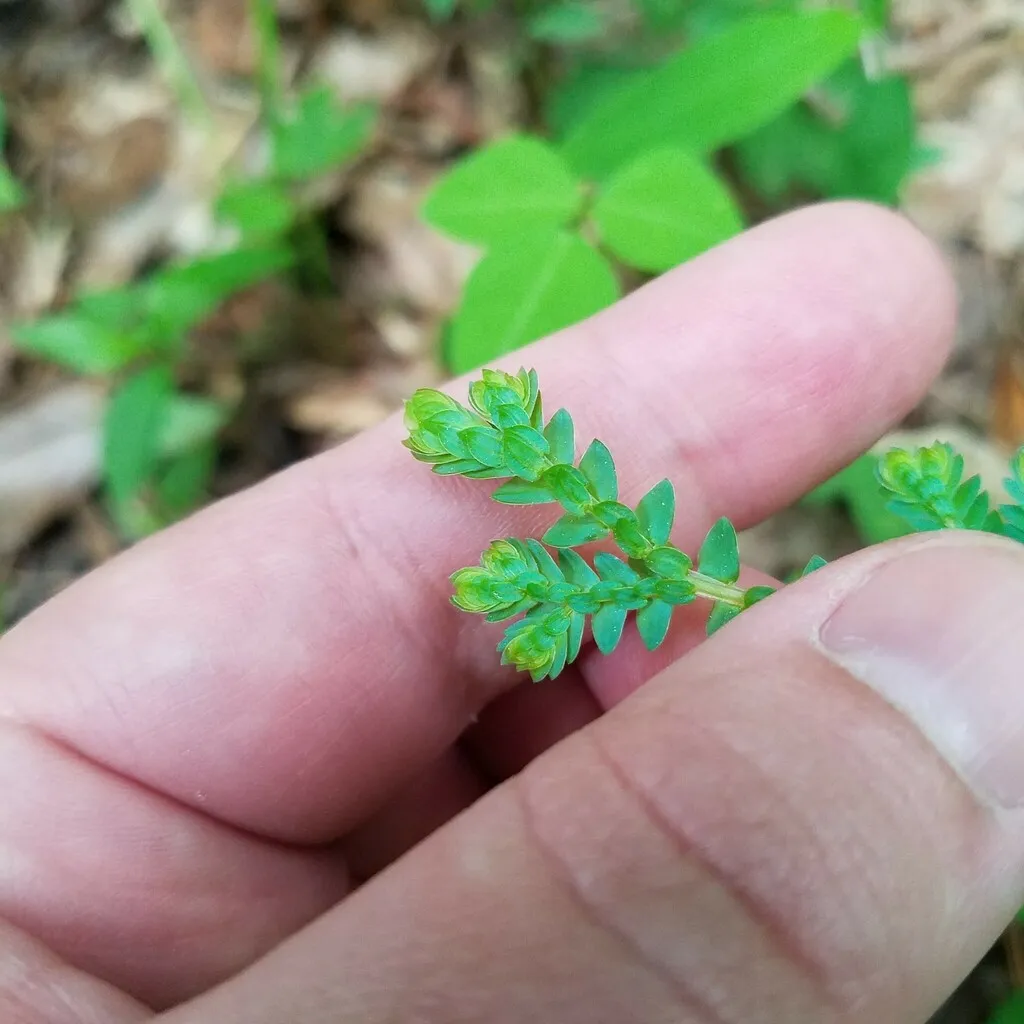
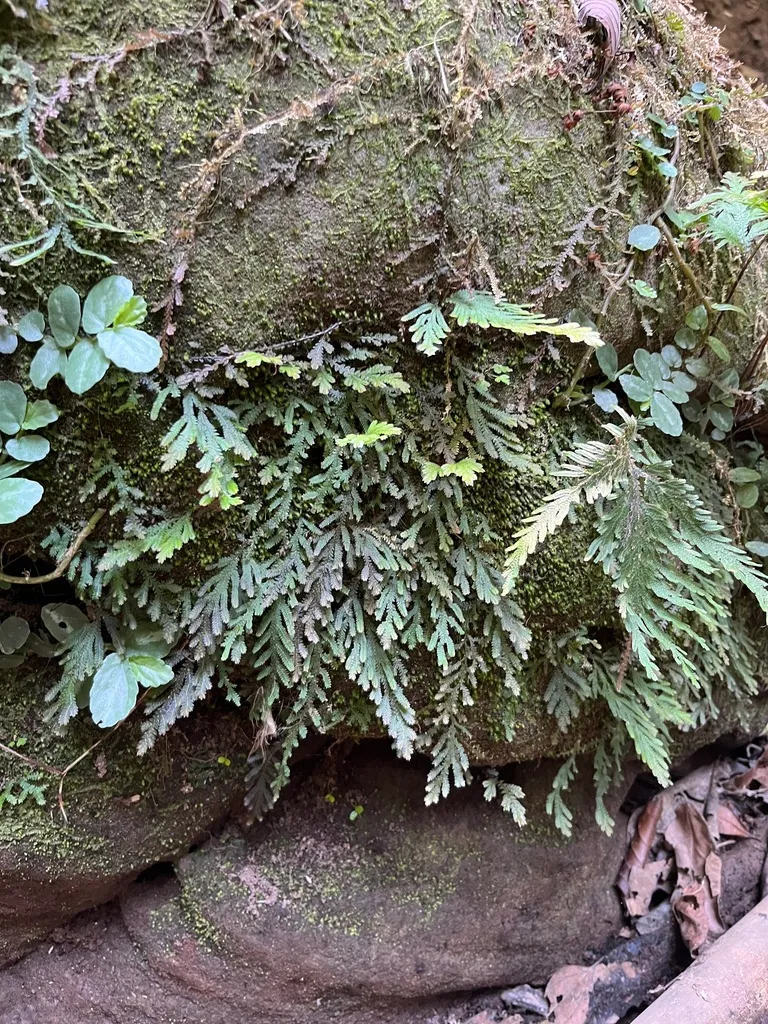
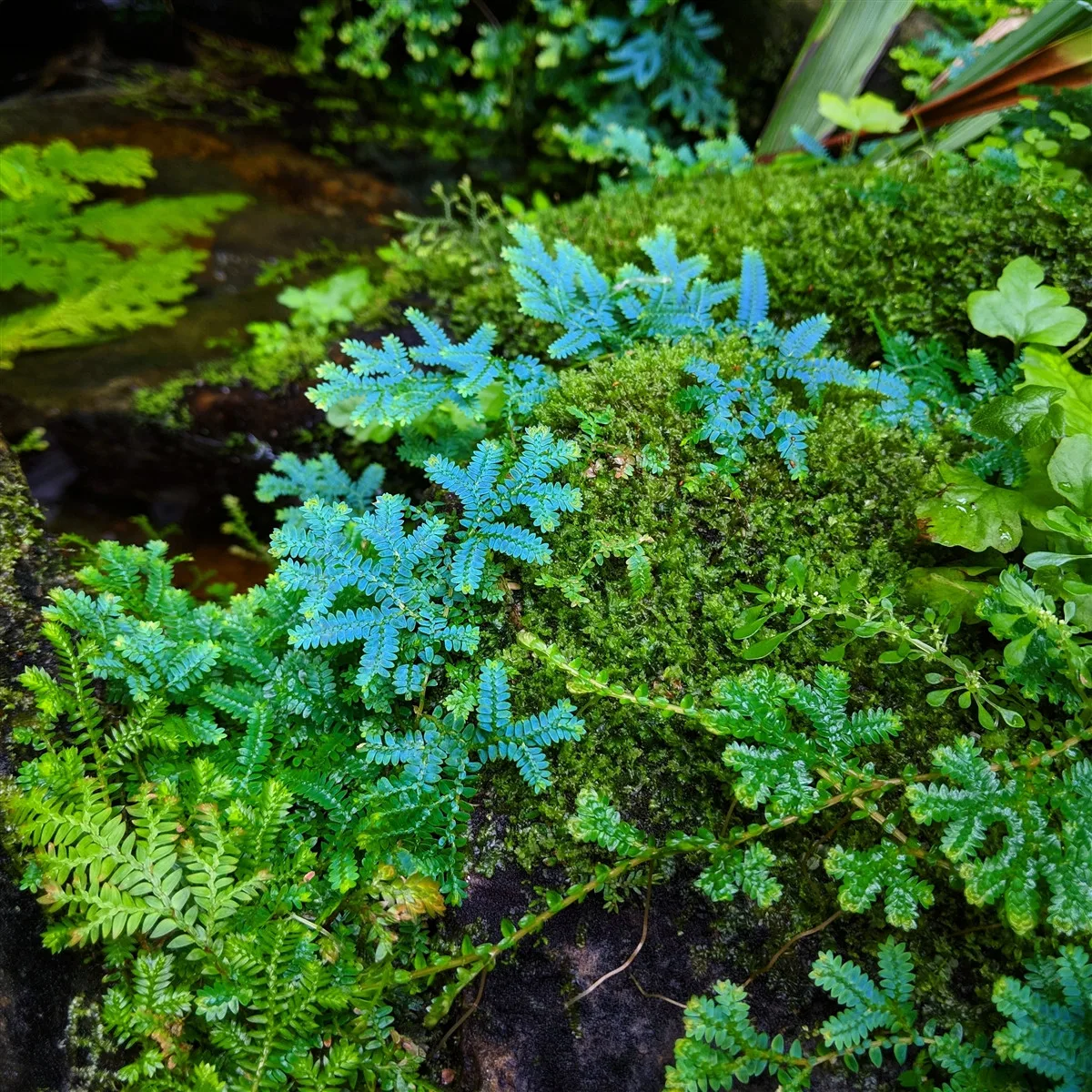
Distribution of peacock moss
Distribution map
- Native
- Introduced
- Cultivated
Source:WCVP v16 · Royal Botanic Gardens, Kew · CC BY 3.0 · Boundaries:WGSRPD / TDWG
peacock moss care guide
- Moderate regular watering, allowing brief slight drying between soakings
- Watering
- Partial shade
- Sunlight

Watering
Moderate regular watering, allowing brief slight drying between soakings
Fertilizing
 Fertilizing
Balanced perennial feed every four weeks from spring through summer
Pruning
 Pruning
Generally not required. Can prune out and faded growth as necessary
Propagation
 Propagation
Propagate by division or spores
Growing
 Growing
Under glass, grow in loam-based compost with added leaf mould. Water freely & feed monthly from April to September. Outside grow in moderately fertile, humus-rich, moist, neutral to acid soil in partial shade and provide winter protection. In cold areas, grow in containers & overwinter indoors.
Common pests and diseases
Diseases
Generally disease-free
Pests
May be susceptible to slugs or snails.
Explore the plant health library →




