



Planting and Growing big blue lilyturf

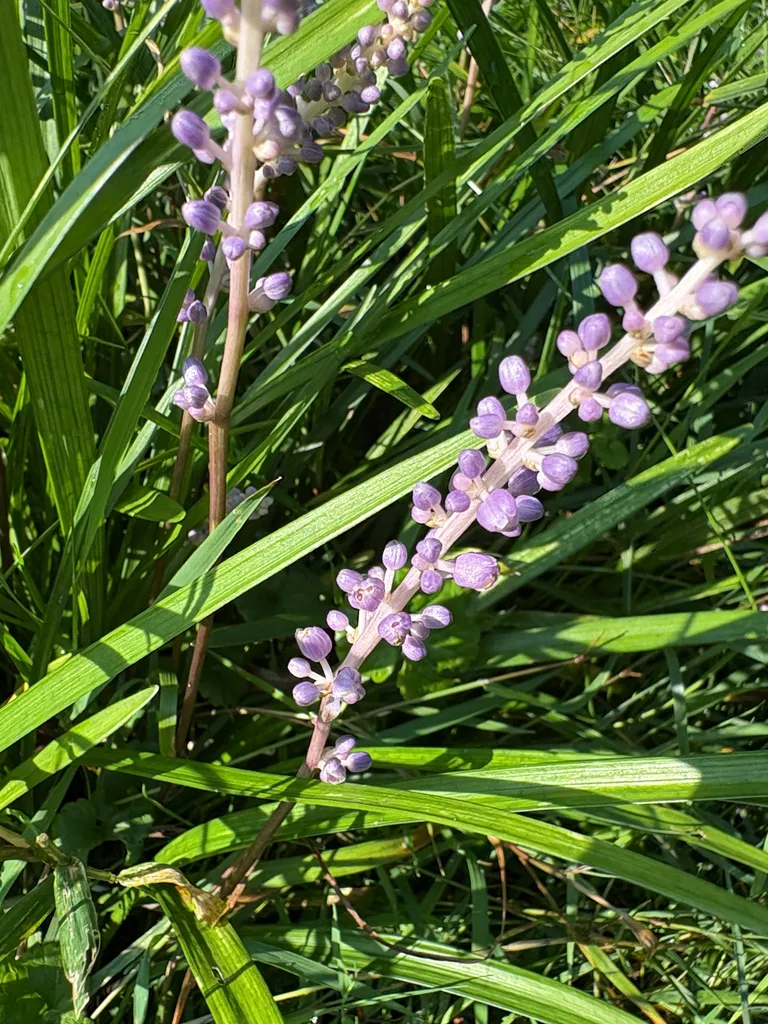
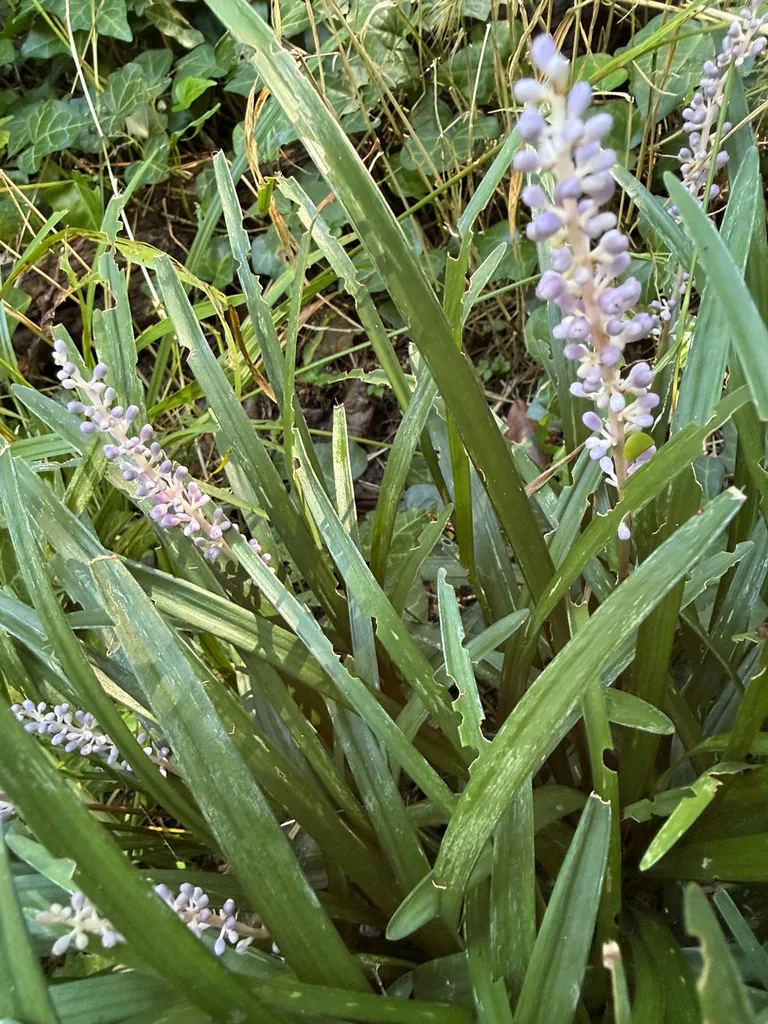
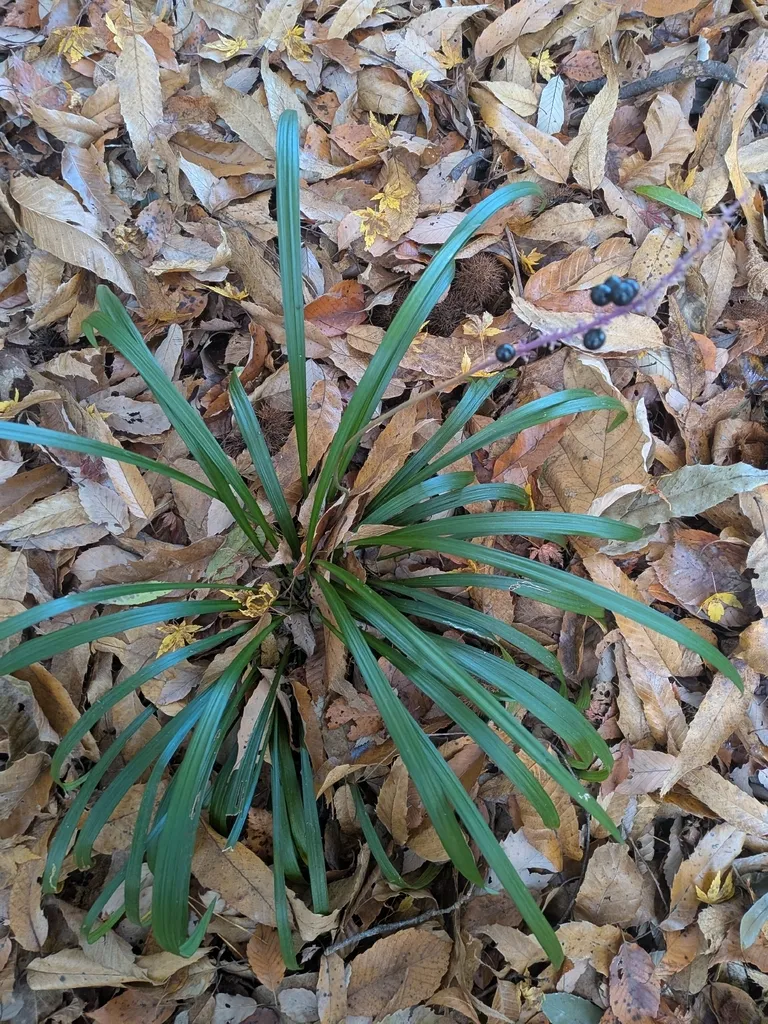
| Care difficulty | 1 / 5 |
|---|---|
| Watering schedule | Moist soil during active growth, then reduce watering after foliage yellows |
| Sunlight requirements | Full shade · Partial shade |
| Ideal temperature | 15 – 25 °C |
| Soil type | Clay · Loam · Sand |
| Soil pH | Acid · Neutral |
| Soil moisture | Moist but well drained |
| Fertilizing | Light bulb fertilizer at emergence and again after flowering |
| Toxicity | Information to be completed |
How to Water big blue lilyturf?
Thriving in its native humid woodlands, big blue lilyturf has adapted to a consistent moisture level, favoring soil that remains evenly damp without becoming waterlogged. Its preference for humidity indicates a moderate tolerance for brief dry spells, but it generally requires a steady supply of water to maintain its lush foliage. Accordingly, it should be watered every week to sustain its hydration needs. Big blue lilyturf is typically cultivated as an ornamental ground cover outdoors where it can benefit from natural rainfall patterns and the surrounding ecosystem's microclimate, enhancing its resilience during varying weather conditions.
Learn more →What Are the Sunlight Requirements for big blue lilyturf?
Big blue lilyturf thrives best in partial sun, receiving a mix of light and shade throughout the day. This ideal light balance promotes robust growth and enhances flowering capabilities. While big blue lilyturf is versatile, tolerating both full sun and full shade, deviations can impact its vigor. In full sun, big blue lilyturf may experience leaf scorch, while full shade could lead to reduced flowering and sparse growth. Therefore, outdoor planting should prioritize spots that offer filtered sunlight or dappled shade to maintain optimal health and appearance.
Learn more →What Is the Ideal Temperature Range for big blue lilyturf?

Big blue lilyturf exhibits remarkable tolerance to temperature variations. It can withstand cold down to 0℃ (32℉) and heat up to 43℃ (110℉). This resilience allows it to thrive in diverse climates, but extreme conditions necessitate caution. In cold weather, big blue lilyturf may experience leaf discoloration and wilting, while heat stress can cause leaf burn and reduced growth. Protective measures include mulching during frosts and ample watering and shade during heatwaves. Understanding these tolerances aids in providing appropriate care, ensuring big blue lilyturf remains healthy and vibrant across different environmental conditions.
Learn more →What Soil Is Best for big blue lilyturf?
Big blue lilyturf isn't picky about soil. The most important thing is that your soil is well-drained. If you have heavy wet soil, you can amend it with compost and/or sphagnum peat moss to improve drainage. Big blue lilyturf will tolerate sandy and clay soils, and thrives in soil that is slightly acidic to neutral. A soil pH between 6.0 and 7.0 is ideal. When growing in a container, select a pot that is 5 gallons or more and has drainage holes. Use a well-draining potting soil.
- Soil type
- Clay · Loam · Sand
- Soil pH
- Acid · Neutral
What Are the Moisture Requirements for big blue lilyturf?
Moist but well drained
Learn more →How to Fertilize big blue lilyturf?

For big blue lilyturf, a balanced nutrition fertilizer promotes robust growth and vibrant blooms. Fertilize moderately in spring with a 10-10-10 formula at a rate of 1/2 pound per 100 square feet. Repeat in early fall. Over-fertilization can harm big blue lilyturf's root system, so adhere strictly to recommended amounts. During dormant winter months, cease fertilization. Young big blue lilyturfs benefit from more frequent, lighter feedings to establish themselves. Always water big blue lilyturf thoroughly after fertilizing to distribute nutrients and avoid root burn.
Learn more →How to Prune big blue lilyturf?

Big blue lilyturf is a low-maintenance, evergreen groundcover known for its tufted grass-like foliage and spikes of purple flowers. Prune big blue lilyturf in early spring to remove old, tattered leaves and promote fresh growth. Cut back the foliage to a height of 2-3 inches before new shoots appear. Regular pruning prevents fungal issues and maintains a tidy appearance. Ensure clean, sharp tools to avoid damage and disease.
Learn more →How to Propagate big blue lilyturf?

Big blue lilyturf, an ornamental grass-like perennial, benefits from the straightforward propagation method of division. Gardeners should choose healthy mature clumps, gently separate them into smaller sections, ensuring each has a portion of the root system. Replant swiftly into well-preparing soil, maintaining appropriate moisture levels to encourage root establishment. Careful handling of the roots and avoidance of excessively deep planting will yield optimal growth.
Learn more →How to Transplant big blue lilyturf?
The best time to transplant big blue lilyturf is during the early to mid-spring months, ensuring a healthy root establishment. Choose a well-draining location with partial to full shade for optimal growth. Remember to keep the soil moist and maintain a friendly tone when handling the plant!
Learn more →How to Care for big blue lilyturf in Winter?

Hailing from East Asia's woodland areas, big blue lilyturf is well-adjusted to cool winters. It enters a dormant state, showcasing thick, evergreen leaves and a robust root system offering frost resistance. Gardeners need to ensure well-drained soil to prevent root rot from winter wetness. Applying a protective winter mulch safeguards against extreme cold. So, despite its tropical origin, big blue lilyturf thrives in its frosty slumber, emanating beauty throughout the winter!
Learn more →How to Plant big blue lilyturf?
Indoors-potted: For big blue lilyturf indoors, ensure the pot has ample space for its spreading roots to foster dense foliage growth. Outdoors-potted: Big blue lilyturf thrives outdoors in pots but monitor root expansion to prevent overcrowding, which could stifle its elegant grass-like leaves. Outdoors-in the ground: When planting big blue lilyturf in garden soil, be mindful of its vigorous nature as it can spread and become a dominant ground cover.
Learn more →How to Repot big blue lilyturf?
Repot big blue lilyturf every 2-3 years to accommodate its clumping growth, which typically doesn't exceed a foot in height. Spring repotting aligns with its active growth phase. Upsize the pot by 2-4 inches to allow for root expansion. Ensure the new container has ample drainage. After repotting, water thoroughly and place in indirect light to help big blue lilyturf settle into its new home.
Learn more →Common Pests & Diseases

Diseases
Generally disease free
Pests
Young growth is prone to slug damage
Explore the plant health library →