
big blue lilyturf
Also known as: 阔叶山麦冬 (kuòye shān mài dōng)
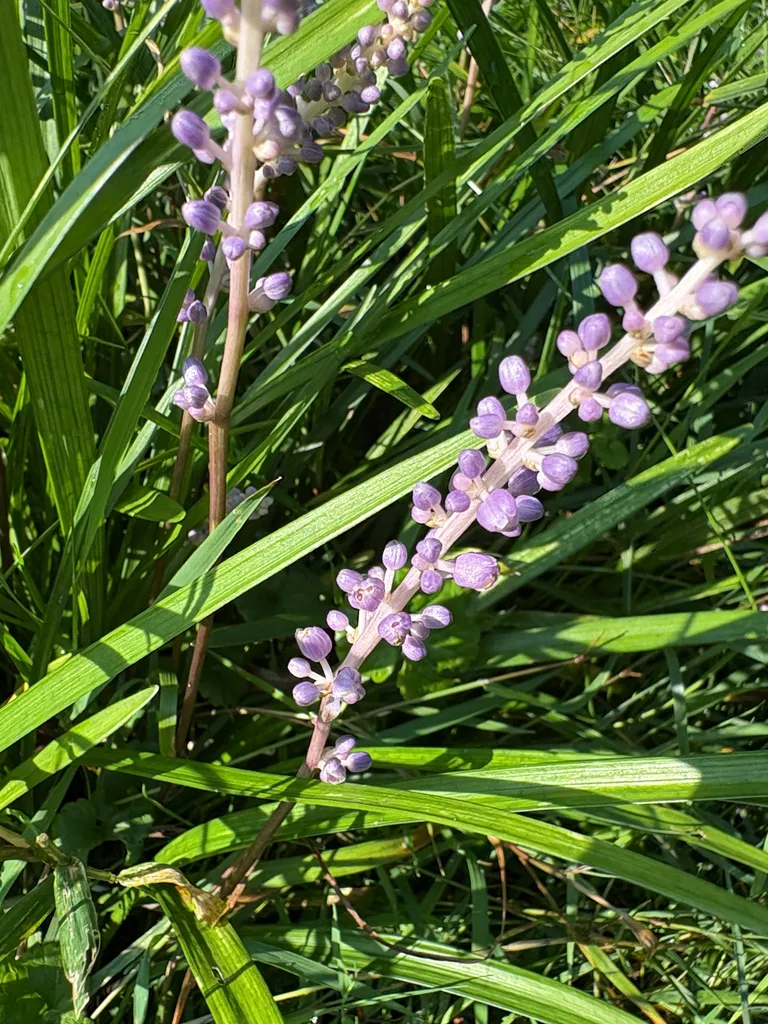
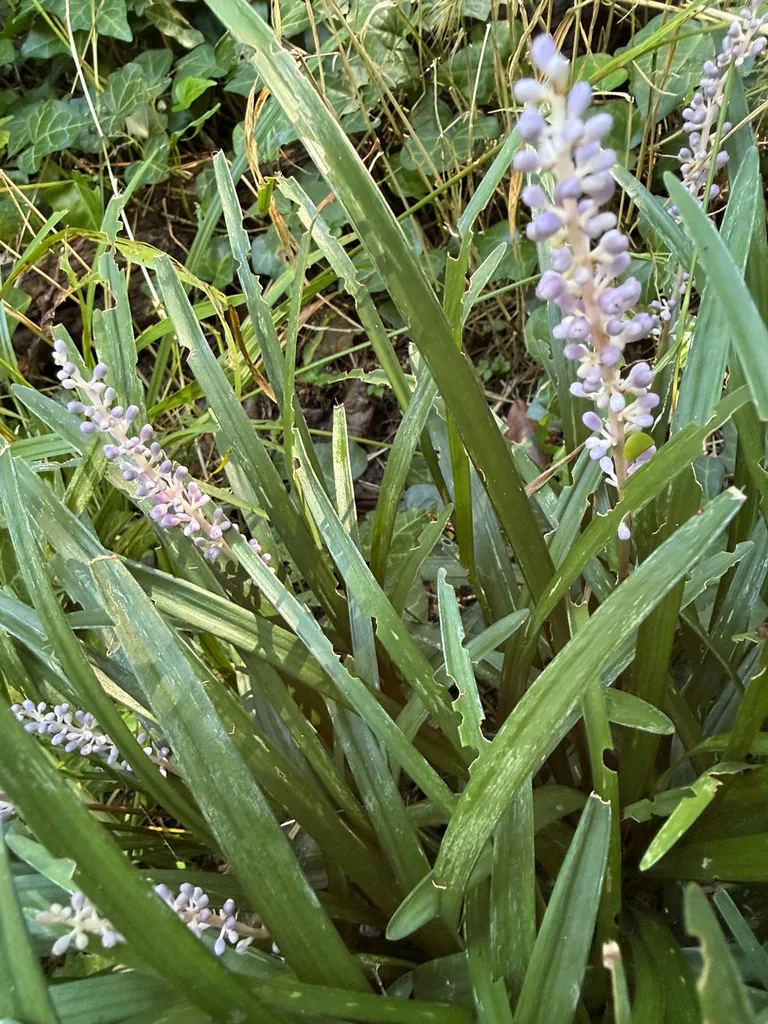
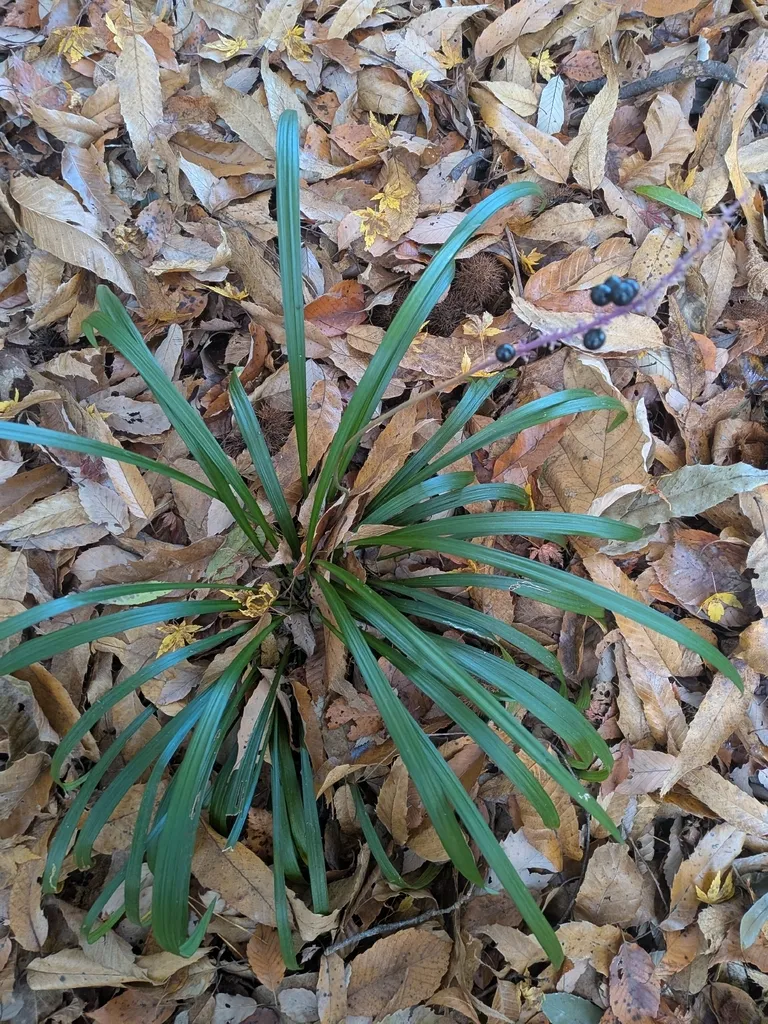
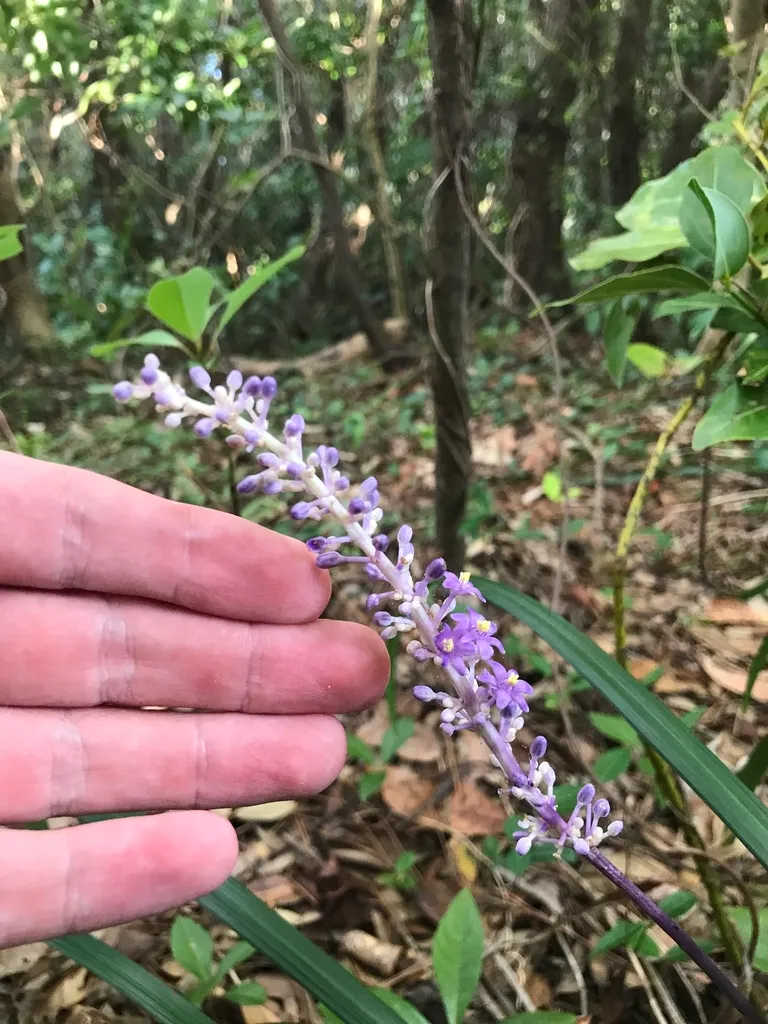
L. muscari is an evergreen tuberous perennial forming a dense clump of narrow, arching, leathery, dark green leaves, with small violet-purple flowers carried in dense, erect spikes to 30cm in height in autumn, followed by black berries
Scientific classification
- Species
- big blue lilyturf (Liriope muscari)
- Genus
- Liriope
- Family
- Asparagaceae
- Order
- Asparagales
- Class
- Liliopsida
- Phylum
- Magnoliophyta
- Information to be completed
- Toxicity
- Herbaceous Perennial
- Plant type
- 0.1-0.5 metres
- Height
- 0.1-0.5 metres
- Spread
- Evergreen
- Foliage
- Clump forming
- Habit
- Spring · Summer · Autumn · Winter
- Season of interest
- Full shade · Partial shade
- Sunlight
- 15 – 25 °C
- Ideal temperature









big blue lilyturf pictures
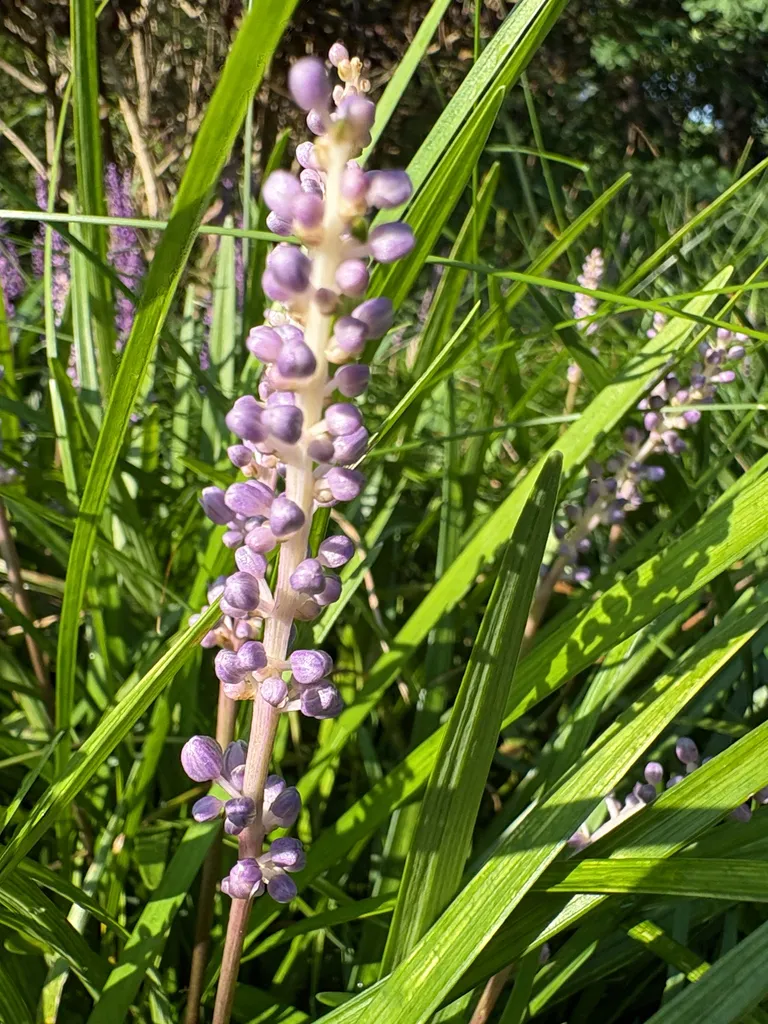
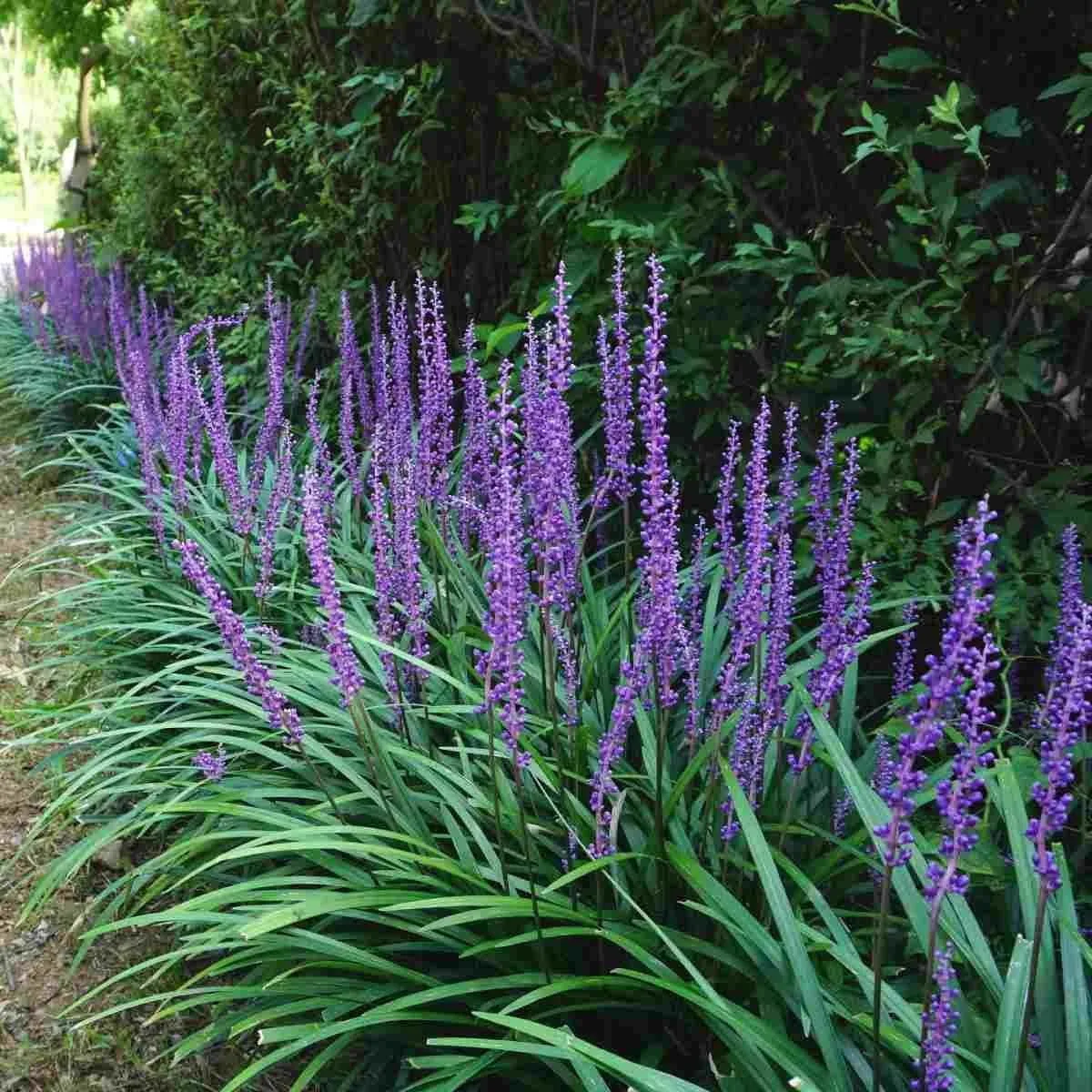
Distribution of big blue lilyturf
Distribution map
- Native
- Introduced
- Cultivated
Source:WCVP v16 · Royal Botanic Gardens, Kew · CC BY 3.0 · Boundaries:WGSRPD / TDWG
big blue lilyturf care guide
- Moist soil during active growth, then reduce watering after foliage yellows
- Watering
- Full shade · Partial shade
- Sunlight
- 15 – 25 °C
- Ideal temperature

Watering
Moist soil during active growth, then reduce watering after foliage yellows
Fertilizing
 Fertilizing
Light bulb fertilizer at emergence and again after flowering
Pruning
 Pruning
Cut old leaves down to the ground in spring to encourage fresh foliage
Propagation
 Propagation
Propagate by seed sown in containers outdoors in spring or propagate by division in spring
Growing
 Growing
Grow in light, moderately fertile, preferably acid, moist but well-drained soil in partial or full shade; can tolerate drought once established. Shelter from cold, drying winds in frost-prone areas
Common pests and diseases
Diseases
Generally disease free
Pests
Young growth is prone to slug damage
Explore the plant health library →




