



Planting and Growing lupin 'Judy Harper'

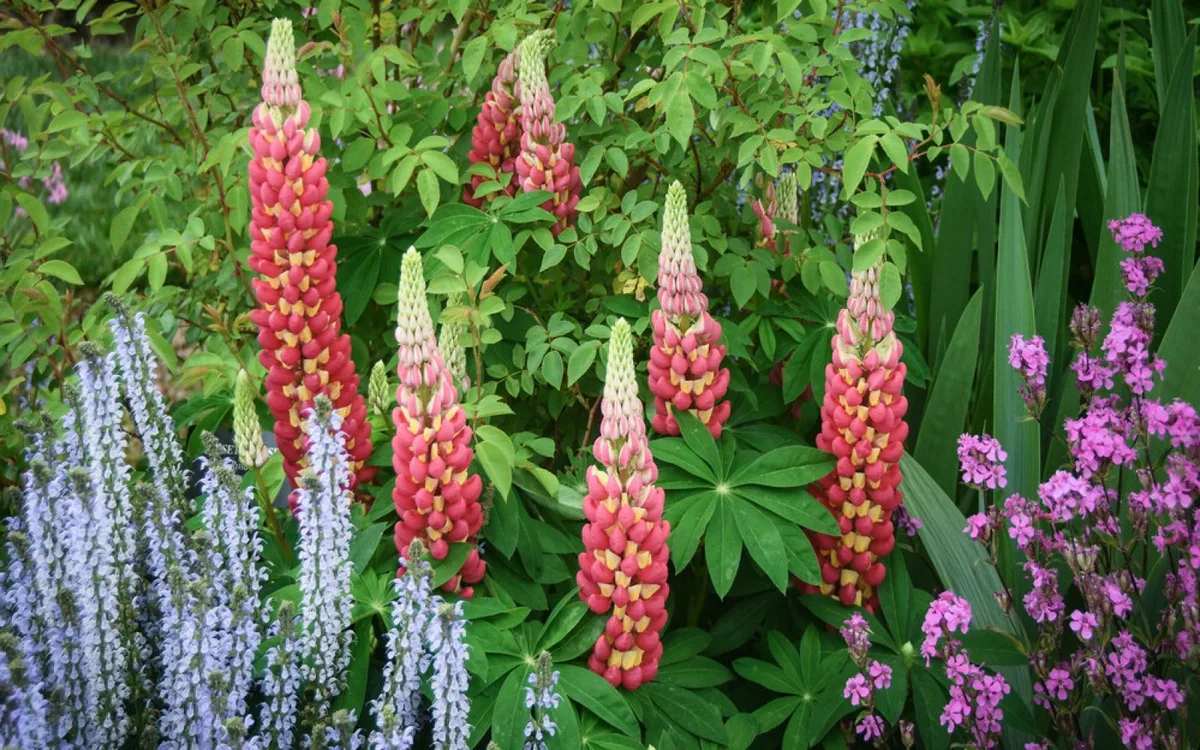
| Care difficulty | 2 / 5 |
|---|---|
| Watering schedule | Moderate watering, keeping soil lightly moist during active growth |
| Sunlight requirements | Full sun · Partial shade |
| Ideal temperature | Information to be completed |
| Soil type | Loam · Sand |
| Soil pH | Acid · Neutral |
| Soil moisture | Well drained |
| Fertilizing | Light low-nitrogen feed once in spring and again before flowering |
| Toxicity | Harmful if eaten. Wear gloves and other protective equipment when handling |
How to Water lupin 'Judy Harper'?
Moderate watering, keeping soil lightly moist during active growth
Learn more →What Are the Sunlight Requirements for lupin 'Judy Harper'?
Full sun · Partial shade
Learn more →What Soil Is Best for lupin 'Judy Harper'?
- Soil type
- Loam · Sand
- Soil pH
- Acid · Neutral
What Are the Moisture Requirements for lupin 'Judy Harper'?
Well drained
Learn more →How to Fertilize lupin 'Judy Harper'?

Light low-nitrogen feed once in spring and again before flowering
Learn more →How to Prune lupin 'Judy Harper'?

Deadhead to encourage a second flush of flowers
Learn more →How to Propagate lupin 'Judy Harper'?

Propagate by seed in early to mid-spring or by basal stem cuttings in mid to late spring
Learn more →How to Plant lupin 'Judy Harper'?
Grow in light and slightly acid, well-drained or sandy soil in full sun or light shade. May need staking, see staking perennials. Ideal for container cultivation where soil conditions are not suitable. See lupin cultivation
Learn more →Common Pests & Diseases

Diseases
May be susceptible to lupin anthracnose, Powdery mildews and a virus
Pests
May be susceptible to lupin aphid, slugs and snails
Explore the plant health library →The Toxicity of lupin 'Judy Harper'
Harmful if eaten. Wear gloves and other protective equipment when handling