



Planting and Growing Japanese honeysuckle

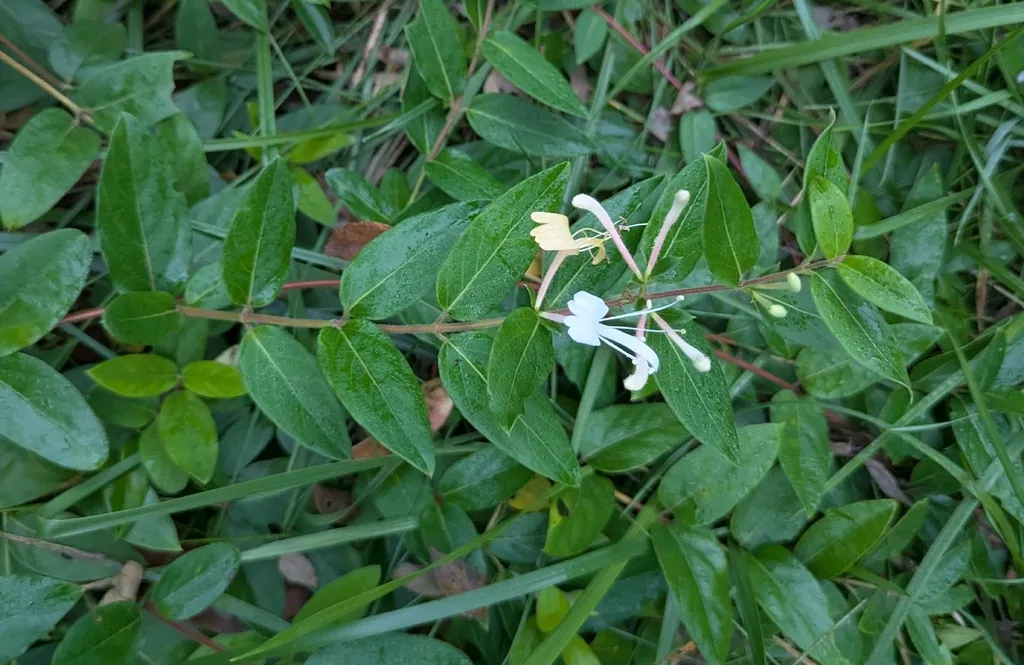
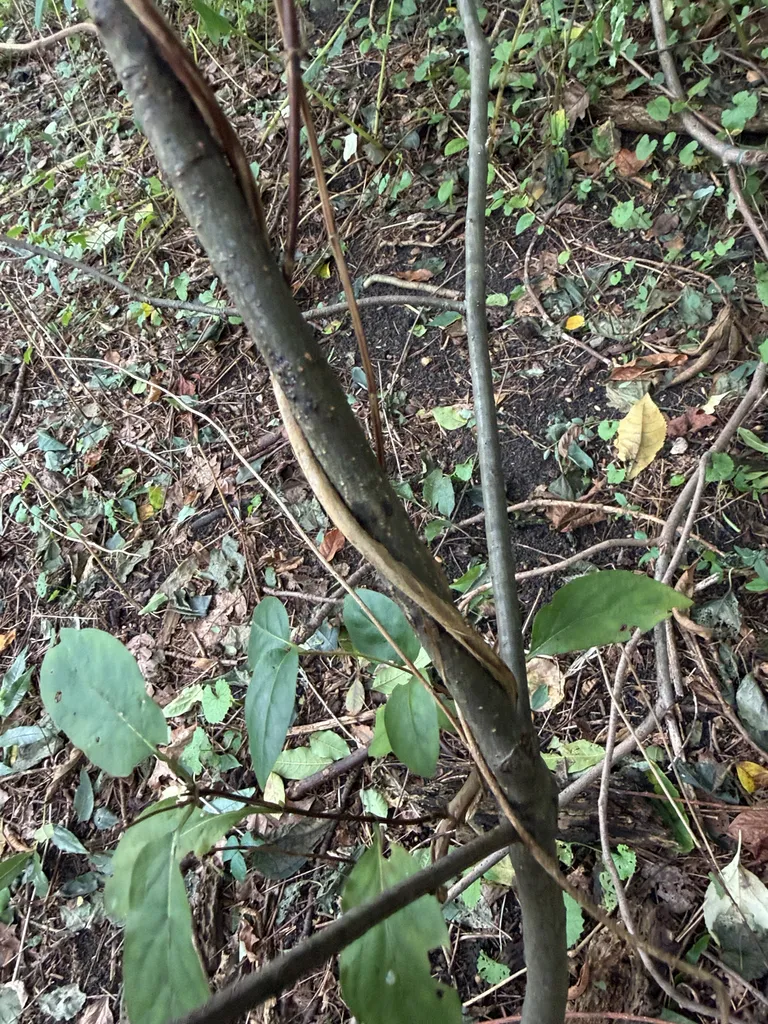
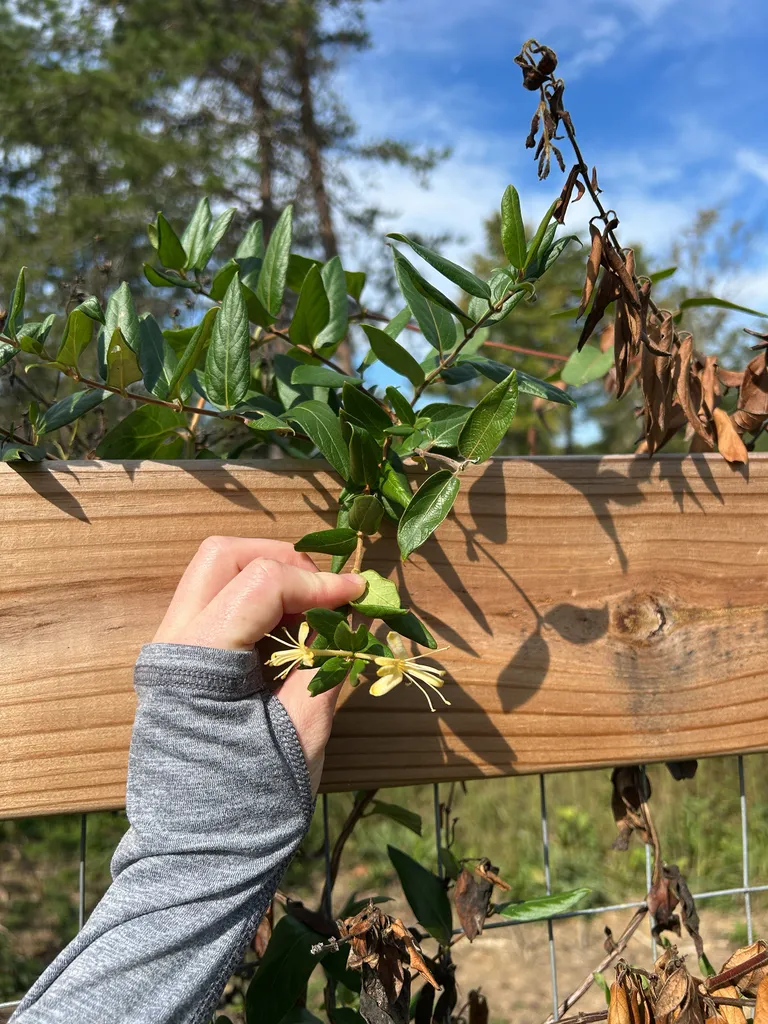
| Care difficulty | 1 / 5 |
|---|---|
| Watering schedule | Keep soil moist, especially during first growing season |
| Sunlight requirements | Full sun · Partial shade |
| Ideal temperature | 15 – 25 °C |
| Soil type | Clay · Loam |
| Soil pH | Acid · Alkaline · Neutral |
| Soil moisture | Moist but well drained |
| Fertilizing | Once in early spring with balanced slow-release fertilizer |
| Toxicity | Fruit are ornamental - not to be eaten. Wear gloves and other protective equipment when handling |
How to Water Japanese honeysuckle?
Japanese honeysuckle thrives in its native habitat of humid subtropical regions, requiring consistent moisture to mimic the environment it originates from. It exhibits a preference for well-hydrated soil but is moderately drought-tolerant once established. For optimal growth, japanese honeysuckle should be watered every week. Cultivated primarily outdoors due to its vigorous climbing habit, japanese honeysuckle benefits greatly from mulching which helps retain soil moisture and reduces the need for frequent watering.
Learn more →What Are the Sunlight Requirements for Japanese honeysuckle?
Japanese honeysuckle thrives in partial sun, benefiting from bright but indirect lighting that fosters robust growth, health, and prolific flowering. While it tolerates full sun, the intensity can stress the plant, potentially leading to foliage burn or diminished vigor, particularly in hotter climates. Adaptively, japanese honeysuckle can adjust leaf orientation to mitigate excessive light exposure, preserving moisture and reducing heat stress. Ideally positioned outdoors, it excels along trellises or fences where it receives dappled sunlight, allowing it to exhibit its characteristic vigorous climbing and fragrant blooms.
Learn more →What Is the Ideal Temperature Range for Japanese honeysuckle?

Japanese honeysuckle exhibits strong resilience to temperature fluctuations, tolerating extreme colds down to -25℃ (-13℉) and heat up to 41℃ (105℉). This robust tolerance allows japanese honeysuckle to thrive in various climates, although extreme temperatures may still necessitate protective measures. Under cold stress, symptoms include leaf discoloration and wilting, whereas overheating can result in scorched leaves and slowed growth. To mitigate overcooling, use mulch and cover the plant; for overheating, provide shade and consistent watering. This tolerance makes japanese honeysuckle adaptable, suitable for a wide range of environments with proper care adjustments during weather extremes.
Learn more →What Soil Is Best for Japanese honeysuckle?
Japanese honeysuckle has strong adaptability and no special soil requirements. The plants can be grown in clay or sandy soil. They like rich, moist, well-drained, and sandy loam the most, and are adaptable to soil with a pH of 6-8, which is slightly acidic, slightly alkalic, or even saline soil.
- Soil type
- Clay · Loam
- Soil pH
- Acid · Alkaline · Neutral
What Are the Moisture Requirements for Japanese honeysuckle?
Moist but well drained
Learn more →How to Fertilize Japanese honeysuckle?

Fertilize japanese honeysuckle with balanced nutrition fertilizers in spring and summer for robust growth and abundant blooms. Apply a general-purpose 10-10-10 formula every 4-6 weeks, according to label rates to avoid over-fertilization. Ensure even distribution and water well after application. For container-grown japanese honeysuckle, use a half-strength liquid fertilizer monthly. Reduce feeding in fall and withhold in winter as japanese honeysuckle enters dormancy. Fertilization promotes vitality, yielding more fragrant flowers. Avoid fertilizer contact with leaves and stems to prevent burn.
Learn more →How to Prune Japanese honeysuckle?

Japanese honeysuckle, known for its vigorous growth, benefits from regular pruning to manage its invasive tendencies. Key techniques include cutting back to healthy buds and removing dead or weak stems. The optimal time for pruning is early spring, just before new growth begins. This controls the spread while promoting healthy development. Regular pruning enhances air circulation and light penetration, helping to prevent disease and maintain structure. Always use clean, sharp tools to prevent damage and infections.
Learn more →How to Propagate Japanese honeysuckle?

Japanese honeysuckle is well known for its sweetly fragrant flowers and vigorous growth. This species is commonly propagated through cuttings, which prove successful due to its robust nature. For effective propagation, take semi-hardwood cuttings from new growth, ensuring each piece has several sets of leaves. Prep the cuttings by removing the bottom leaves and dip the end into rooting hormone to promote root development. Plant them in a well-draining soil mix and maintain consistent moisture. Japanese honeysuckle will root relatively easily, allowing for the expansion of this aromatic addition to gardens.
Learn more →How to Transplant Japanese honeysuckle?
The ideal season for transplanting japanese honeysuckle is from late spring to mid-summer, as this ensures optimal growth. Choose a location with moist, well-draining soil and partial to full sun exposure. Prioritize spacing for better air circulation, and water thoroughly after transplanting.
Learn more →How to Plant Japanese honeysuckle?
Indoors-potted: Thriving indoors, japanese honeysuckle requires strategic positioning to ensure it cascades beautifully without overtaking other plants or space. Outdoors-potted: Japanese honeysuckle, when potted outdoors, should be monitored for vigorous growth that might require frequent pruning to maintain shape. Outdoors-in the ground: In-ground planting of japanese honeysuckle necessitates vigilance against its aggressive spread which can outcompete local flora.
Learn more →How to Repot Japanese honeysuckle?
Needs excellent drainage in pots.
Learn more →Common Pests & Diseases

Diseases
May be susceptible to powdery mildews, fungal leaf spot, silver leaf and honey fungus (rarely)
Pests
May be susceptible to honeysuckle aphids, Thrips and glasshouse whitefly
Explore the plant health library →The Toxicity of Japanese honeysuckle
Fruit are ornamental - not to be eaten. Wear gloves and other protective equipment when handling