
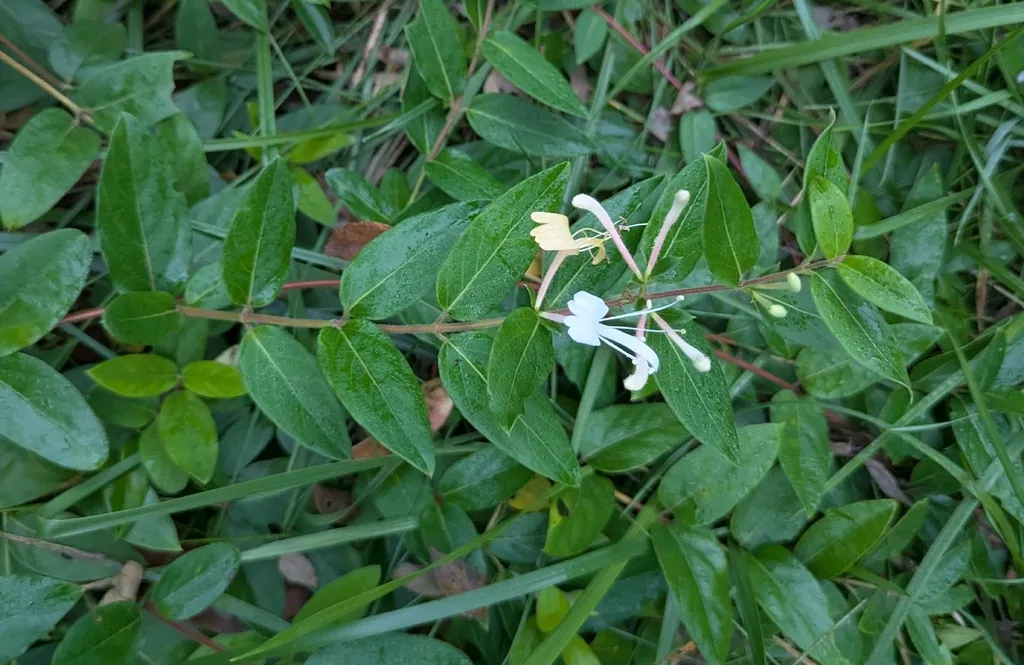



Japanese honeysuckle

Japanese honeysuckle · Temperature

Japanese honeysuckle · Lonicera japonica
Also known as: gold and silver flower

Japanese honeysuckle thrive in well-draining soil and can adapt to a variety of light conditions, from full sun to partial shade. Special care points include regular pruning to prevent aggressive spread and potential invasiveness. Being drought-tolerant once established, japanese honeysuckle requires minimal watering, indicating a low-maintenance profile.

Watering: Keep soil moist, especially during first growing seasonSunlight: Full sun · Partial shadeFruit are ornamental - not to be eaten. Wear gloves and other protective equipment when handling

What Is the Ideal Temperature Range for Japanese honeysuckle?

Japanese honeysuckle exhibits strong resilience to temperature fluctuations, tolerating extreme colds down to -25℃ (-13℉) and heat up to 41℃ (105℉). This robust tolerance allows japanese honeysuckle to thrive in various climates, although extreme temperatures may still necessitate protective measures. Under cold stress, symptoms include leaf discoloration and wilting, whereas overheating can result in scorched leaves and slowed growth. To mitigate overcooling, use mulch and cover the plant; for overheating, provide shade and consistent watering. This tolerance makes japanese honeysuckle adaptable, suitable for a wide range of environments with proper care adjustments during weather extremes.

PlantCare

Your Ultimate Guide to Plants

Identify, grow and nurture the better way!

PlantCare plant identification and care illustration
PlantCare

Botanist in your pocket

Scan to download PlantCareDownload on the App Store

Scan the QR code with your phone camera to download the app