



Planting and Growing common honeysuckle

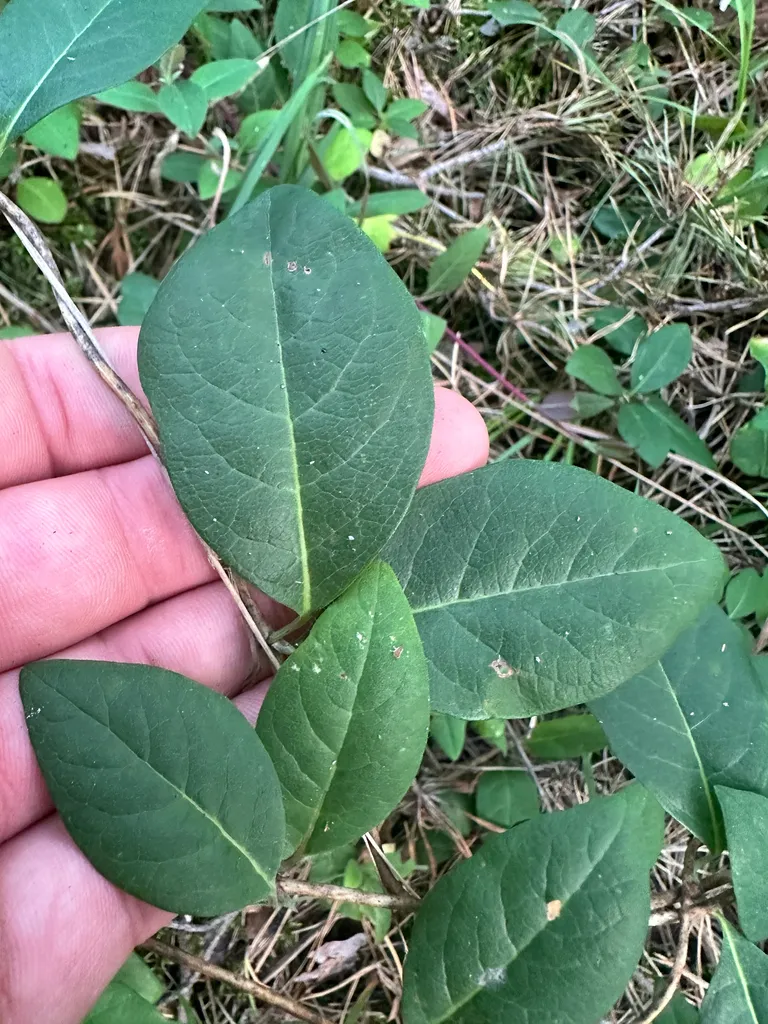
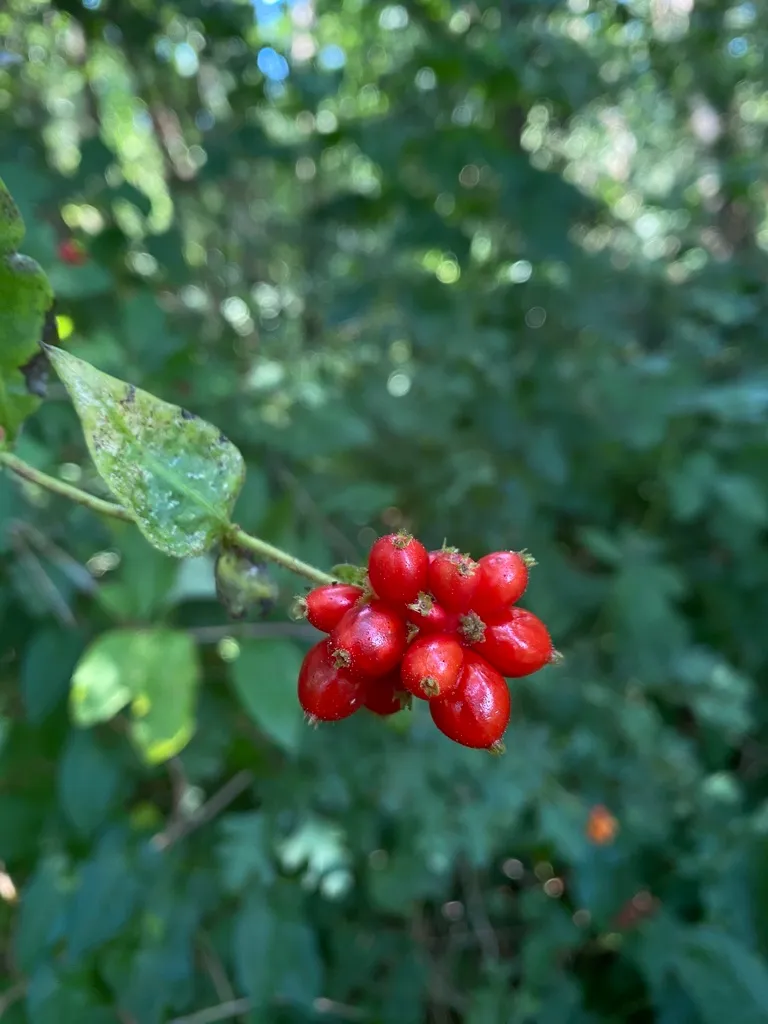
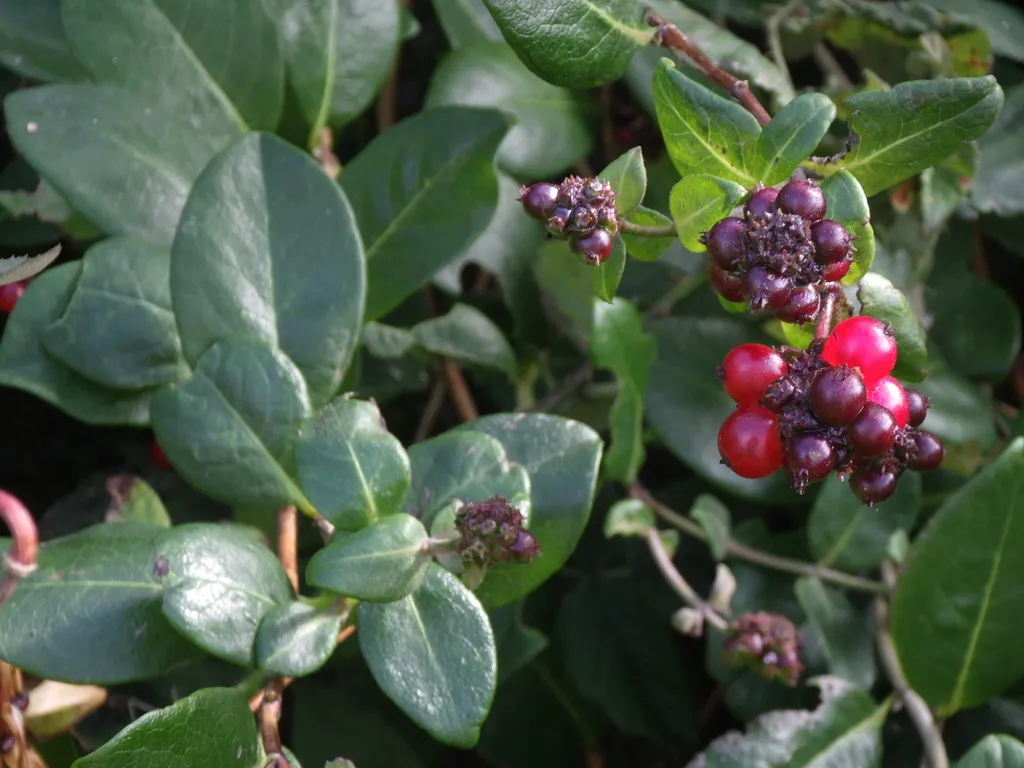
| Care difficulty | 2 / 5 |
|---|---|
| Watering schedule | Deep soak after substrate half dry, drastically cut water supply in cold winter |
| Sunlight requirements | Full sun · Partial shade |
| Ideal temperature | Information to be completed |
| Soil type | Chalk · Clay · Loam · Sand |
| Soil pH | Acid · Alkaline · Neutral |
| Soil moisture | Moist but well drained |
| Fertilizing | Diluted flowering vine feed monthly spring through early autumn months |
| Toxicity | Fruit are ornamental - not to be eaten. Wear gloves and other protective equipment when handling |
How to Water common honeysuckle?
Deep soak after substrate half dry, drastically cut water supply in cold winter
Learn more →What Are the Sunlight Requirements for common honeysuckle?
Full sun · Partial shade
Learn more →What Soil Is Best for common honeysuckle?
- Soil type
- Chalk · Clay · Loam · Sand
- Soil pH
- Acid · Alkaline · Neutral
What Are the Moisture Requirements for common honeysuckle?
Moist but well drained
Learn more →How to Fertilize common honeysuckle?

Diluted flowering vine feed monthly spring through early autumn months
Learn more →How to Prune common honeysuckle?

Routine pruning is unnecessary; shorten overlong shoots to fit the available space. For last-year flowering growth, prune after flowering; for current-year flowering growth, prune in late winter or spring. This guidance is for established plants.
Learn more →How to Propagate common honeysuckle?

Propagate by seed or by layering
Learn more →How to Plant common honeysuckle?
Occurs naturally in woodland, scrub or hedgerow; the evening scent of the flowers attracts pollinating moths.\r\nGrows best in partial shade but tolerates full sun, and thrives in any fertile, moist but well-drained soil. See Honeysuckle (Climbing) cultivation
Learn more →Common Pests & Diseases

Diseases
May be susceptible to powdery mildews, leaf spot (fungal) and silver leaf
Pests
May be susceptible to honeysuckle aphids, thrips and glasshouse whitefly
Explore the plant health library →The Toxicity of common honeysuckle
Fruit are ornamental - not to be eaten. Wear gloves and other protective equipment when handling