



Planting and Growing Algerian bean

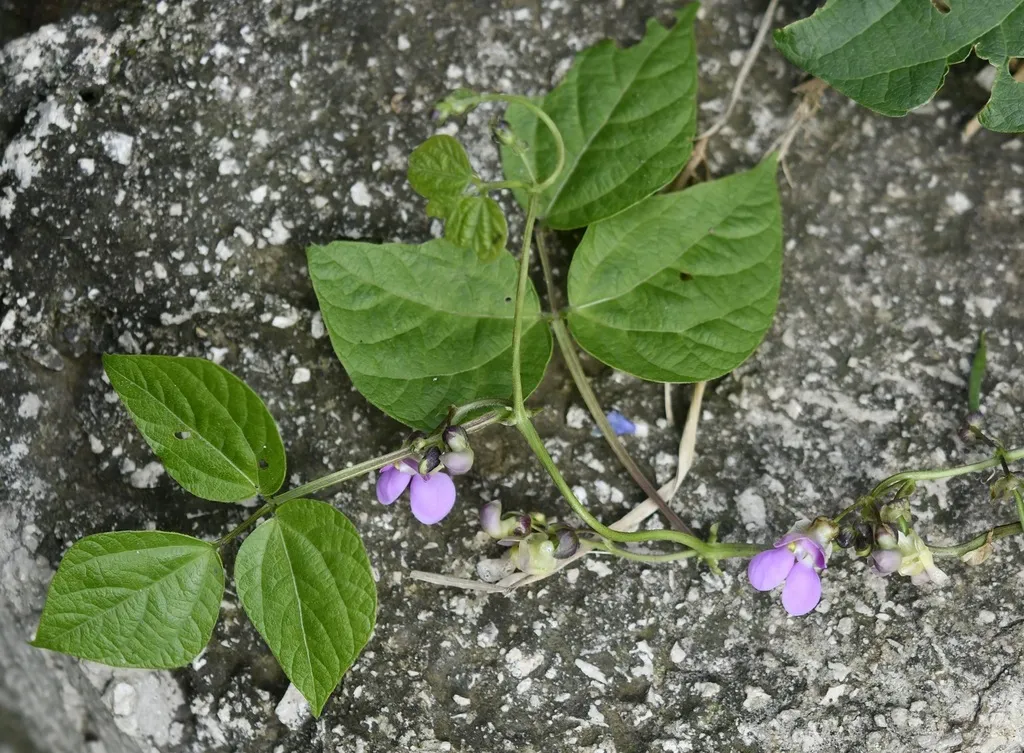
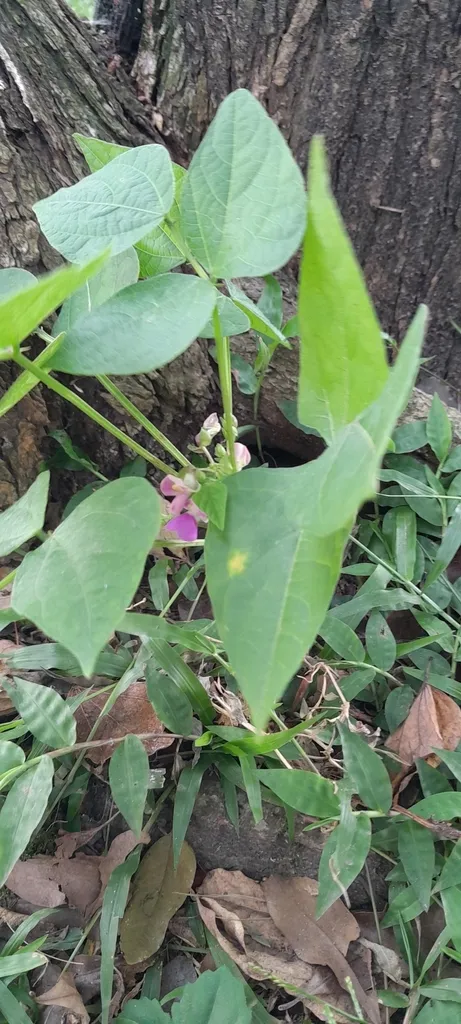
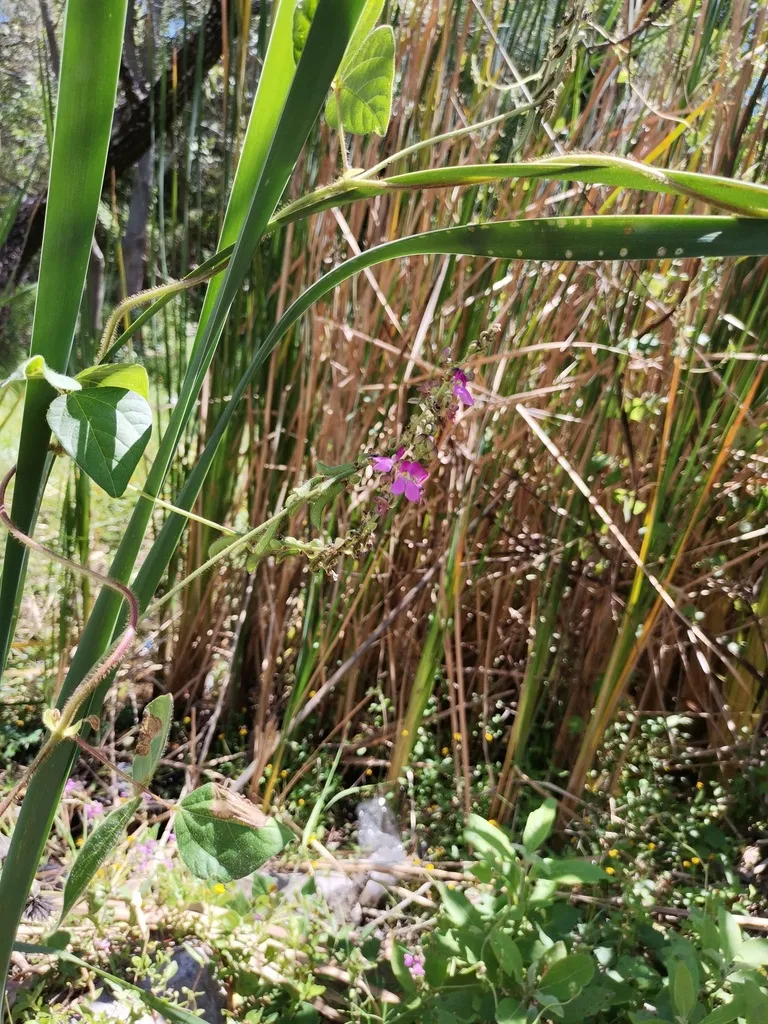
| Care difficulty | 2 / 5 |
|---|---|
| Watering schedule | Keep soil evenly moist, especially during flowering and pod set |
| Sunlight requirements | Full sun |
| Ideal temperature | 18 – 28 °C |
| Soil type | Chalk · Clay · Loam · Sand |
| Soil pH | Alkaline · Neutral |
| Soil moisture | Moist but well drained |
| Fertilizing | Bi-weekly with balanced fertilizer, reduce nitrogen |
| Toxicity | Raw pods/beans harmful if eaten. Wear gloves and other protective equipment when handling |
How to Water Algerian bean?
Originating in regions with variable moisture, common bean has adapted to efficiently utilize water, displaying moderate drought tolerance. In cultivation, it thrives with consistent moisture levels and benefits from watering twice a week to maintain its health and productivity. Given its preference for stable hydration, common bean is more commonly grown outdoors where natural rainfall can complement irrigation practices. As a flowering plant, ensuring adequate water during the growing season is crucial for optimal bloom and bean formation.
Learn more →What Are the Sunlight Requirements for Algerian bean?
Common bean thrives under full sun, benefiting from generous light exposure to optimize photosynthesis and pod development. While it can tolerate partial sun, common bean's growth and yield may be impacted, with the possibility of fewer flowers and reduced fruit set. In outdoor settings, common bean should be sited where it receives unfiltered sunlight for the majority of the day. Adequate sunlight ensures robust growth and helps the plant ward off diseases and pests. When light conditions are suboptimal, common bean can exhibit elongated stems and paler leaves as it adapts to capture more light.
Learn more →What Is the Ideal Temperature Range for Algerian bean?

18 – 28 °C
Learn more →What Soil Is Best for Algerian bean?
Common bean thrive in well-aerated soil with good drainage. A suitable soil mix can be made by combining equal parts garden soil, compost, and sand. If compost isn't available, use peat moss or coconut coir. Ensure the soil remains loose to prevent waterlogging, as common bean are sensitive to poor drainage. Adding a balanced fertilizer every 4-6 weeks will promote healthy growth. Always avoid compacting the soil to maintain optimal aeration.
- Soil type
- Chalk · Clay · Loam · Sand
- Soil pH
- Alkaline · Neutral
What Are the Moisture Requirements for Algerian bean?
Moist but well drained
Learn more →How to Fertilize Algerian bean?

Fertilizing common bean is crucial for robust growth and prolific bean production. Initially, apply high phosphorus fertilizer to encourage strong root development. As common bean matures, switch to a balanced N-P-K fertilizer to support foliage and pod formation. Administer half a cup per square yard at planting and repeat every 4-6 weeks. Over-fertilization can hinder common bean's growth, so adhere to recommended quantities. In colder months, reduce frequency as common bean's growth slows. Use granular or liquid fertilizers, ensuring even distribution and avoiding direct contact with the foliage to prevent burn. By tailoring fertilization to common bean's life cycle, gardeners can enhance vitality and yield.
Learn more →How to Prune Algerian bean?

Common bean is a fast-growing leguminous plant, commonly cultivated for its edible pods and seeds. Pruning should be done from early to late spring to remove dead, damaged, or diseased stems and encourage bushier growth. Trim back any overcrowded branches to improve air circulation and light penetration. Regular pruning also prevents pest and disease buildup, enhances yield, and supports healthy development. Prioritize cutting above leaf nodes to stimulate new growth. Reference reputable horticultural guides for precise pruning methods.
Learn more →How to Propagate Algerian bean?

Common bean is typically propagated through sowing in the Spring season. It's a fairly easy process, with success indicated by germination and seedling growth. Proper soil preparation and appropriate moisture conditions are essential for optimal propagation.
Learn more →How to Transplant Algerian bean?
Transplanting common bean is best done during the delightful period of mid-spring to early summer. This timing ensures optimal growth conditions. Choose a sunny location that allows for proper nutrient absorption. Follow transplant tips as required to help common bean thrive beautifully.
Learn more →How to Plant Algerian bean?
Indoors-potted: When potted indoors, common bean appreciates support for its climbing habit; a trellis or stake can encourage vertical growth and healthy foliage. Outdoors-potted: Common bean, while outdoors in pots, thrives with ample space for roots—consider larger containers to foster robust growth and productivity. Outdoors-in the ground: Planted directly in the garden, common bean enriches soil health by fixing nitrogen, making them not just productive but beneficial for future crops.
Learn more →Common Pests & Diseases

Diseases
Generally disease-free
Pests
May be susceptible to black bean aphids. Young plants also need protection from slugs and snails
Explore the plant health library →The Toxicity of Algerian bean
Raw pods/beans harmful if eaten. Wear gloves and other protective equipment when handling