



Planting and Growing bean (runner) 'Hestia'

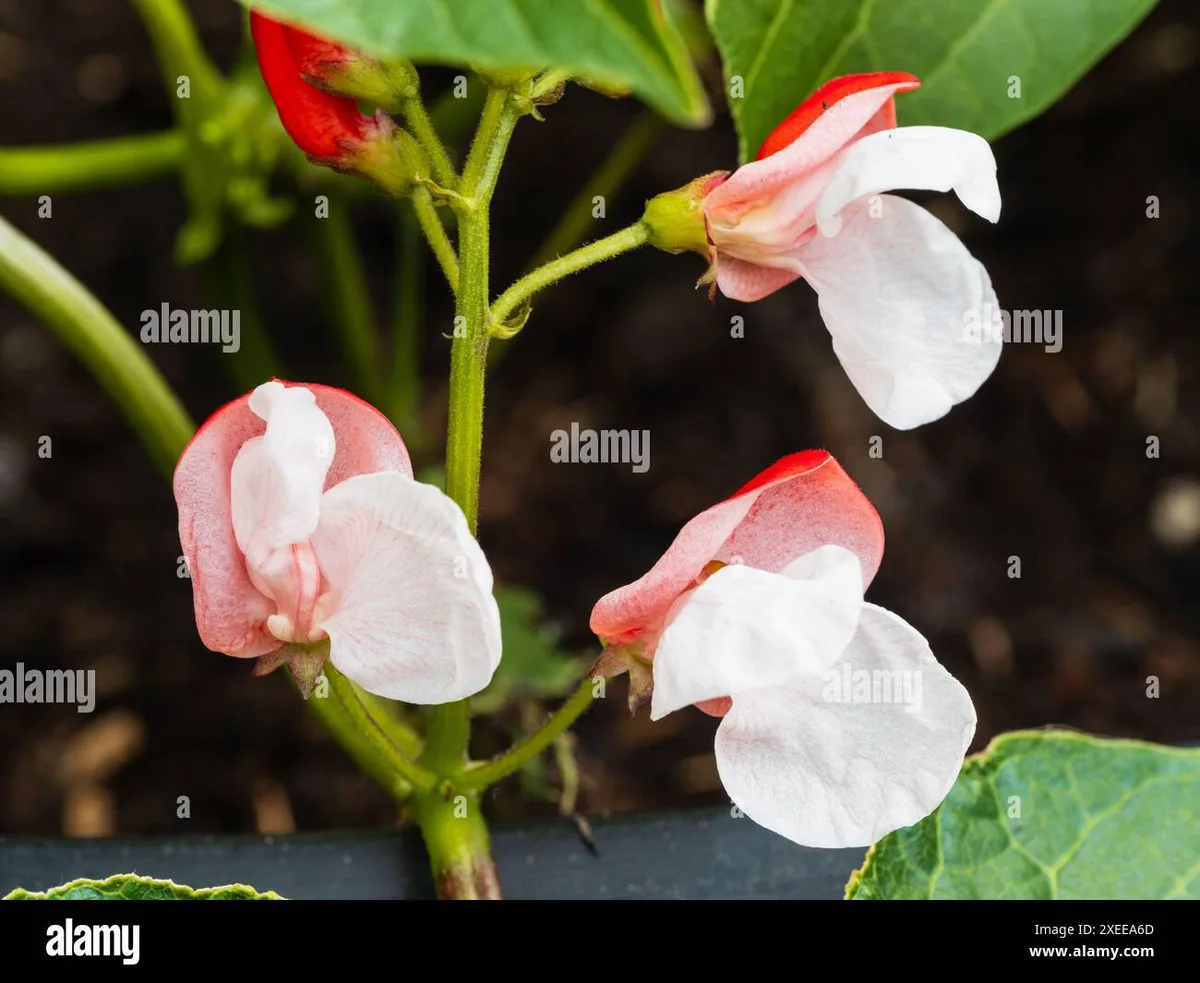
| Care difficulty | 3 / 5 |
|---|---|
| Watering schedule | Keep soil consistently moist for steady leafy growth without drought stress |
| Sunlight requirements | Full sun · Partial shade |
| Ideal temperature | Information to be completed |
| Soil type | Loam · Sand |
| Soil pH | Alkaline · Neutral |
| Soil moisture | Moist but well drained · Well drained |
| Fertilizing | Nitrogen-rich vegetable feed every two to three weeks in active growth |
| Toxicity | Raw pods/beans harmful if eaten. Wear gloves and other protective equipment when handling |
How to Water bean (runner) 'Hestia'?
Keep soil consistently moist for steady leafy growth without drought stress
Learn more →What Are the Sunlight Requirements for bean (runner) 'Hestia'?
Full sun · Partial shade
Learn more →What Soil Is Best for bean (runner) 'Hestia'?
- Soil type
- Loam · Sand
- Soil pH
- Alkaline · Neutral
What Are the Moisture Requirements for bean (runner) 'Hestia'?
Moist but well drained · Well drained
Learn more →How to Fertilize bean (runner) 'Hestia'?

Nitrogen-rich vegetable feed every two to three weeks in active growth
Learn more →How to Prune bean (runner) 'Hestia'?

No pruning required
Learn more →How to Propagate bean (runner) 'Hestia'?

Propagate by seed
Learn more →How to Plant bean (runner) 'Hestia'?
Start from seed in a heated greenhouse or on a warm windowsill. Plant outside once all risk of frost has passed in a warm, sunny, sheltered site; incorporate well-rotted manure into soil before planting and keep the soil moist when plants are flowering to ensure good fruit set. See runner-bean cultivation for further advice
Learn more →Common Pests & Diseases

Diseases
Generally problem- free but can be susceptible to foot and root rot
Pests
May be susceptible to black bean aphids. Young plants also need protection from slugs and snails
Explore the plant health library →The Toxicity of bean (runner) 'Hestia'
Raw pods/beans harmful if eaten. Wear gloves and other protective equipment when handling