



Planting and Growing cucumber

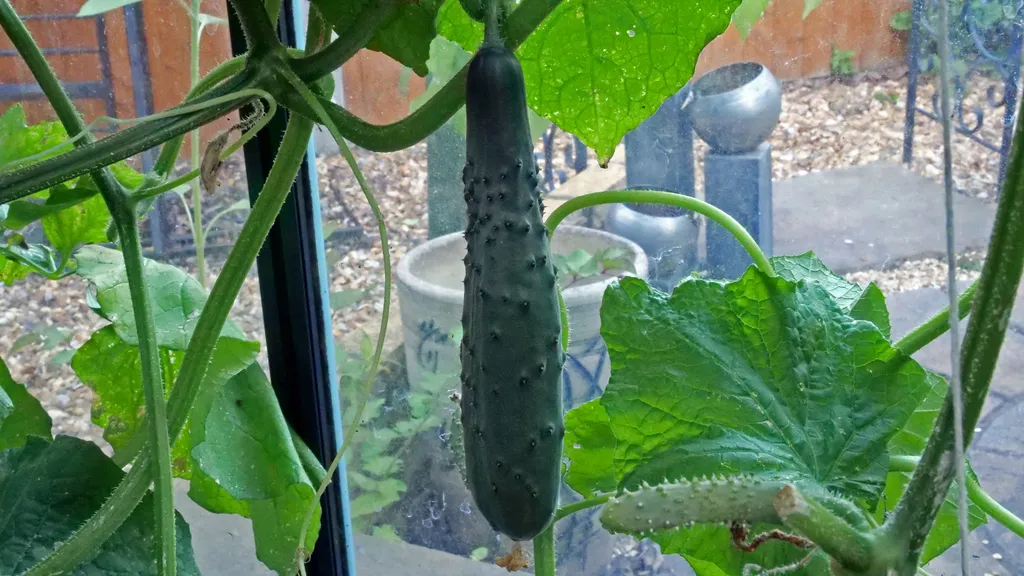

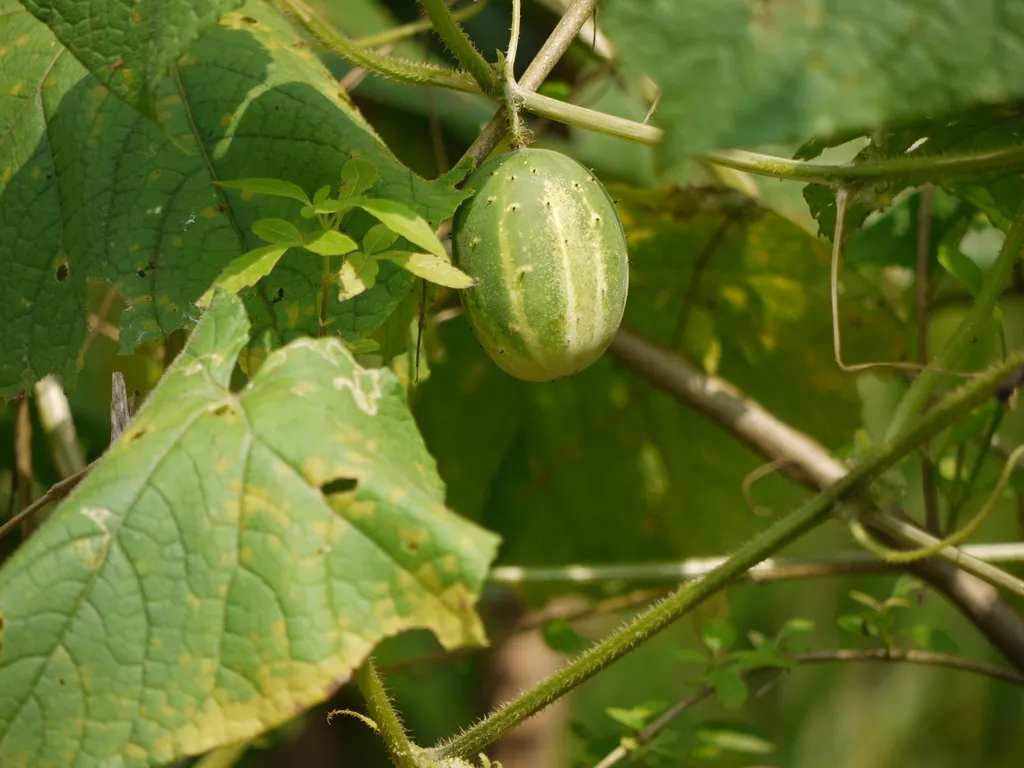
| Care difficulty | 3 / 5 |
|---|---|
| Watering schedule | Moderate regular watering, avoid prolonged drought or waterlogging |
| Sunlight requirements | Full sun |
| Ideal temperature | 20 – 30 °C |
| Soil type | Loam · Sand |
| Soil pH | Acid · Neutral |
| Soil moisture | Moist but well drained |
| Fertilizing | Balanced feed in spring and light repeat in growth season |
| Toxicity | Information to be completed |
How to Water cucumber?
Originating in the foothills of the Himalayas, cucumber is accustomed to consistent moisture levels and thrives in environments that mimic its native tropical climate. This species exhibits a preference for regular hydration but can tolerate short periods of dryness. Watering should be adjusted to twice a week to maintain optimal health. As an herbaceous annual, cucumber requires adequate water during its growing season to support its rapid development and fruit production, especially when cultivated outdoors where it can capitalize on natural rainfall patterns.
Learn more →What Are the Sunlight Requirements for cucumber?
Cucumber thrives best under full sun conditions, requiring at least 6-8 hours of direct sunlight per day for optimal growth. This light intensity promotes healthy photosynthesis, robust growth, and fruit production. While cucumber can tolerate partial sun, where it may receive 4-6 hours of direct sunlight, prolonged exposure to these suboptimal conditions can lead to reduced yields and potential health issues. Cucumber exhibits resilience through its sizable leaves, which can adjust position to maximize light absorption. When cultivated outdoors, cucumber should be placed in areas with clear exposure to sunlight, avoiding shaded regions that could impede development.
Learn more →What Is the Ideal Temperature Range for cucumber?

20 – 30 °C
Learn more →What Soil Is Best for cucumber?
- Soil type
- Loam · Sand
- Soil pH
- Acid · Neutral
What Are the Moisture Requirements for cucumber?
Moist but well drained
Learn more →How to Fertilize cucumber?

Fertilize cucumber at planting with high-phosphorus fertilizer to establish a strong root system and switch to balanced nutrition during growth. Apply monthly, using label-recommended quantities to promote vigor and yield. Precautions: Avoid over-fertilization which can damage cucumber. Adjust levels for growth stages—less in early stages, more as fruit sets. Practical tip: Use water-soluble fertilizers for even distribution and reduced risk of root burn.
Learn more →How to Prune cucumber?

Known for its fast growth and sprawling vines, cucumber benefits greatly from strategic pruning. Key techniques include removing lateral vines beyond the fifth leaf node and cutting back any crowded or unhealthy growth. Optimal timing for pruning is between early and late spring, aligning with its active growth phase. Pruning promotes better air circulation, reduces disease risk, and encourages higher fruit yield. Be sure to use clean tools to prevent infections.
Learn more →How to Propagate cucumber?

Cucumber is propagated primarily by sowing seeds, ideally during Spring. Proper seed handling and soil preparation is required for successful propagation. Germination and healthy seedling growth are indicators of successful propagation.
Learn more →How to Transplant cucumber?
The perfect time for transplanting cucumber is during the delightful mid to late spring season. For ideal growth, ensure cucumber transplants are placed in well-drained, fertile soil and a sunny location. Remember, tender loving care goes a long way for these delicate annuals!
Learn more →How to Plant cucumber?
Indoors-potted: In an indoor setting, cucumber will need a sturdy trellis for support as it climbs eagerly towards the light. Outdoors-potted: Cucumber, when grown outdoors in pots, thrives with ample space to spread its foliage and requires frequent pot rotations for balanced growth. Outdoors-in the ground: Planted directly in the garden, cucumber benefits from strategic planting to avoid overcrowding, enhancing air circulation and minimizing disease risks.
Learn more →Common Pests & Diseases

Diseases
May be susceptible to Cucumber mosaic virus and powdery mildews
Pests
May be susceptible to glasshouse whitefly
Explore the plant health library →Troubleshooting
Flowers Dropping Without Setting Cucumbers or Bitter/Misshapen Fruit
Cucumis sativus (cucumber) produces separate male and female flowers on the same vine (unless using all-female parthenocarpic greenhouse varieties); early male-only blooms, poor bee pollination, or irregular watering cause dropped flowers and bitter or curved cucumbers.
| What you notice | Possible explanation | What to check next |
|---|---|---|
| Early yellow flowers open and drop off with slender stems (no tiny baby cucumber behind the petals) | Normal first flush of male flowers before female flowers appear | Wait 1 to 2 weeks for female flowers (which have a miniature cucumber ovary behind the petals) to emerge. |
| Female flowers with tiny cucumbers behind them turn yellow and shrivel without growing | Insufficient insect pollination (especially in greenhouses or screened balconies), extreme heat above 32°C (90°F), or drought stress | Hand-pollinate female flowers in the morning using a freshly opened male flower or soft brush (unless growing seedless parthenocarpic cultivars), and keep soil evenly moist. |
| Harvested cucumbers taste bitter (especially near the stem end) or grow pinched/curved | Fluctuating soil moisture, heat stress, or uneven pollination | Water deeply and consistently, mulch the root zone, and harvest fruits promptly while young. |
- Plant in full sun (at least 6 to 8 hours of direct sunlight daily) in fertile, well-drained soil once temperatures stay warmly above 15°C (60°F).
- Water deeply and regularly at the soil base so soil remains evenly moist—never bone-dry and never waterlogged.
- Train vining cucumbers up a sturdy trellis to improve airflow, save space, and produce straighter, cleaner fruit.
- Harvest cucumbers frequently while young and tender; leaving oversized yellowing fruits on the vine signals the plant to stop producing new flowers.
Greenhouse 'all-female' (parthenocarpic) cucumber cultivars set seedless fruit without pollination and can become bitter or seedy if pollinated by bees.
White Powdery Coating on Leaves (Powdery Mildew) or Spider Mites
Broad cucumber leaves are highly prone to powdery mildew and spider mites in mid-to-late summer.
| What you notice | Possible explanation | What to check next |
|---|---|---|
| White powdery spots spread across upper and lower leaf surfaces, causing leaves to yellow and dry | Powdery mildew encouraged by warm days, cool nights, and crowded foliage | Trellis vines for airflow, water only at the soil base in the morning, and remove heavily mildewed older leaves. |
| Fine yellow stippling and webbing appear on leaf undersides in hot, dry weather | Two-spotted spider mites | Rinse leaf undersides firmly with water and keep plants well-watered. |
- Avoid overhead watering so foliage dries quickly, and maintain good spacing between vines.
- Cucumis sativus is listed as non-toxic to cats and dogs by the ASPCA.
Handle cucumber seedlings gently when transplanting—their roots resent disturbance, so biodegradable pots or direct sowing work best.