



Planting and Growing Australian glow worm grass

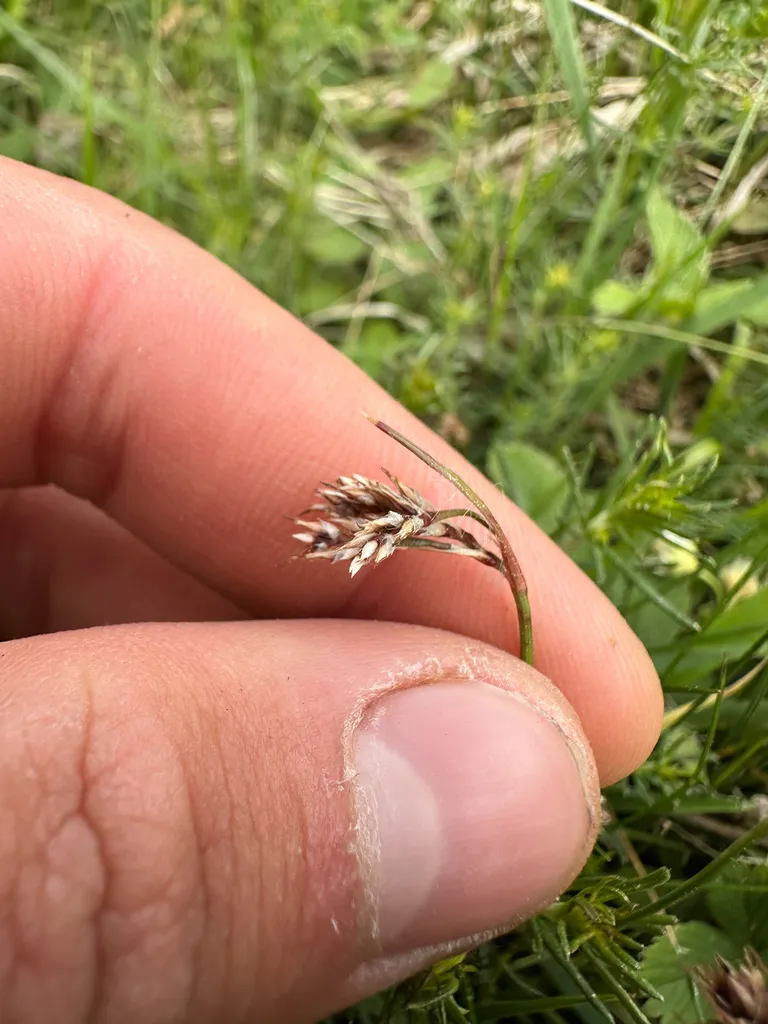
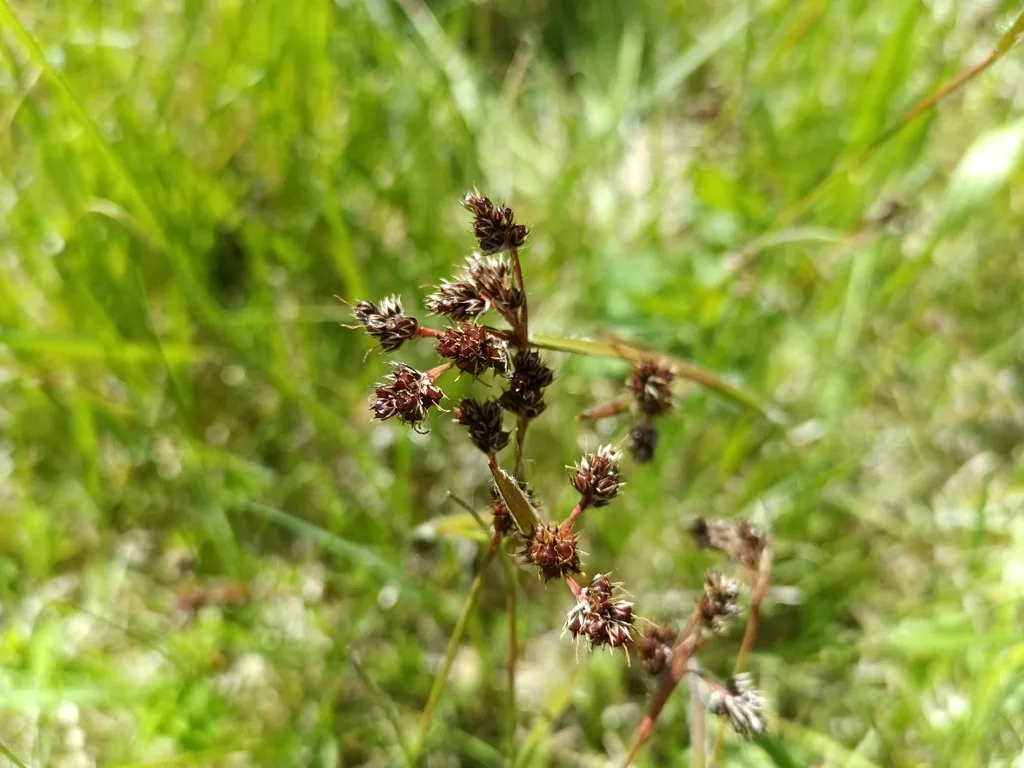
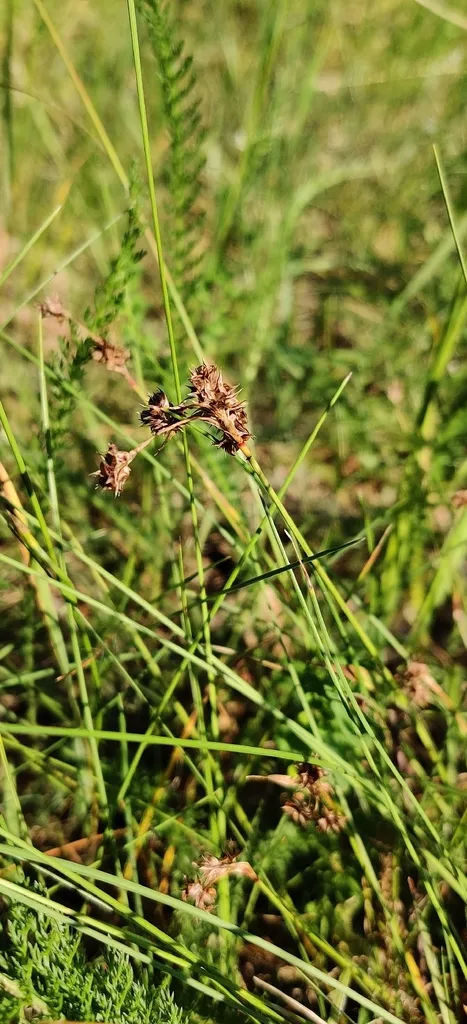
| Care difficulty | 2 / 5 |
|---|---|
| Watering schedule | Moderate regular watering, allowing brief slight drying between soakings |
| Sunlight requirements | Full shade · Full sun · Partial shade |
| Ideal temperature | Information to be completed |
| Soil type | Chalk · Clay · Loam · Sand |
| Soil pH | Acid · Neutral · Alkaline |
| Soil moisture | Moist but well drained · Poorly drained |
| Fertilizing | Balanced perennial feed every four weeks from spring through summer |
| Toxicity | Information to be completed |
How to Water Australian glow worm grass?
Moderate regular watering, allowing brief slight drying between soakings
Learn more →What Are the Sunlight Requirements for Australian glow worm grass?
Full shade · Full sun · Partial shade
Learn more →What Soil Is Best for Australian glow worm grass?
- Soil type
- Chalk · Clay · Loam · Sand
- Soil pH
- Acid · Neutral · Alkaline
What Are the Moisture Requirements for Australian glow worm grass?
Moist but well drained · Poorly drained
Learn more →How to Fertilize Australian glow worm grass?

Balanced perennial feed every four weeks from spring through summer
Learn more →How to Prune Australian glow worm grass?

In lawns, regular mowing can prevent the development of flowers and seed heads; clippings should be removed to prevent spread. Rake before mowing to raise runners from the soil surface
Learn more →How to Propagate Australian glow worm grass?

Propagates by seed and by creeping stolons (runners) on the surface of the soil; hand weeding can remove runners
Learn more →How to Plant Australian glow worm grass?
Prefers moist conditions, and often dies back by midsummer. Rapid growth and spread mean that this plant is generally considered a weed. Improving soil conditions can help fine turf grasses to compete, see coarse grasses in lawns for more advice
Learn more →Common Pests & Diseases

Diseases
Generally disease-free
Pests
Generally pest-free
Explore the plant health library →