
Australian glow worm grass
Also known as: black head grass; chimney sweeps; cuckoo grass; field wood-rush
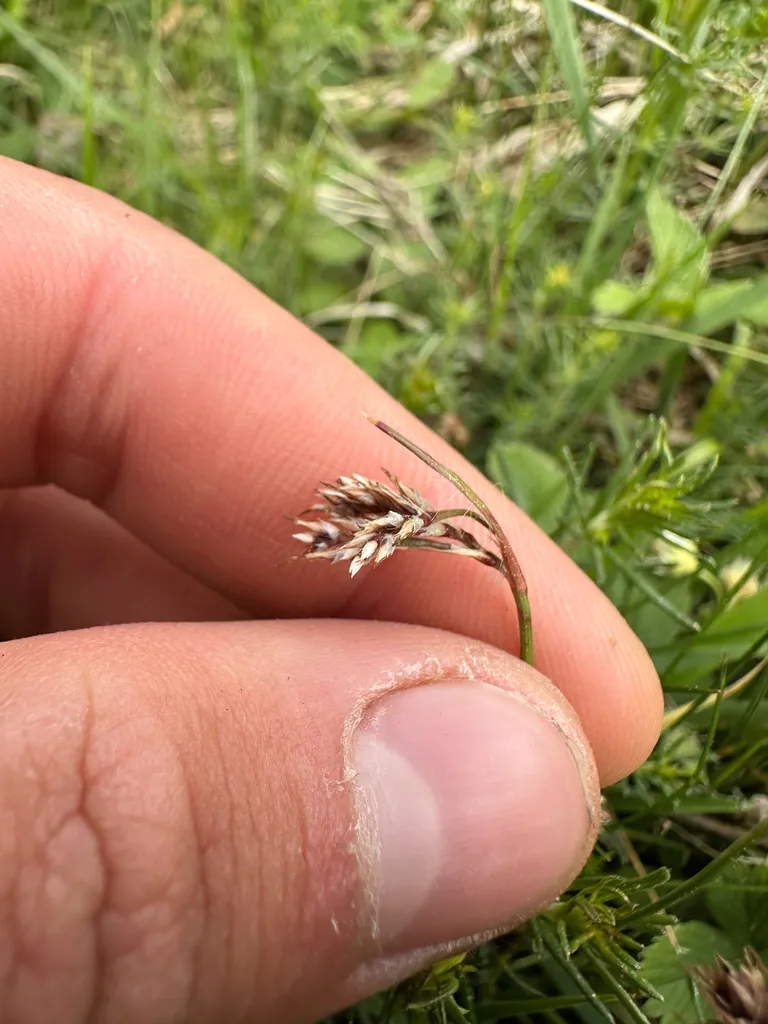
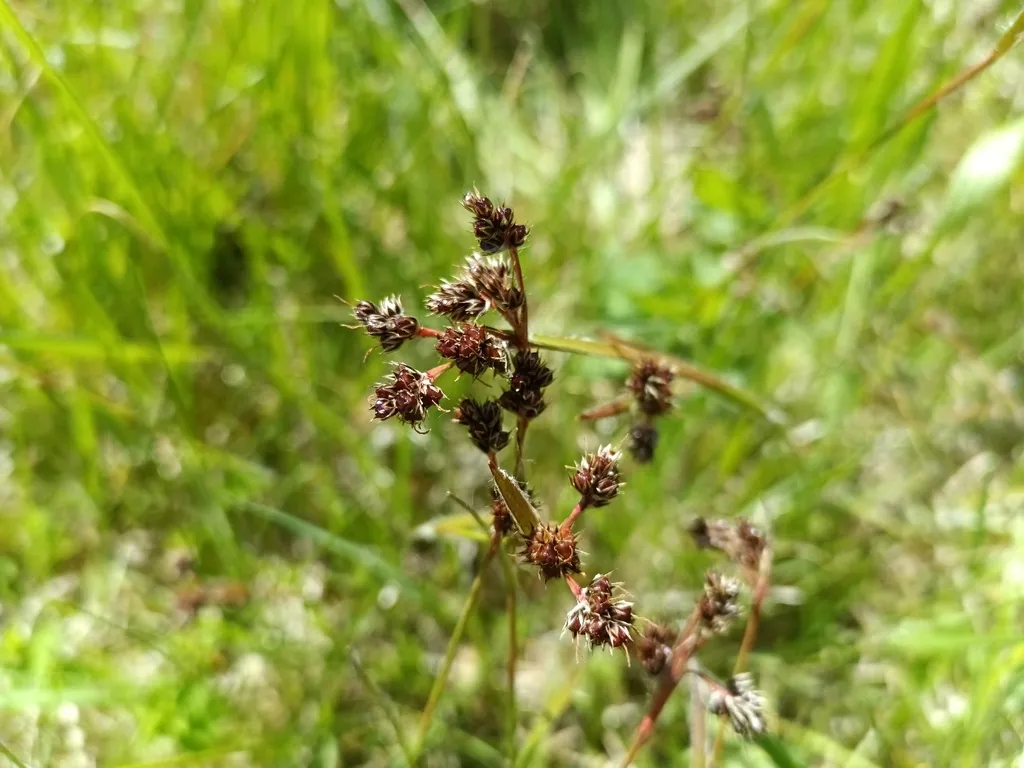
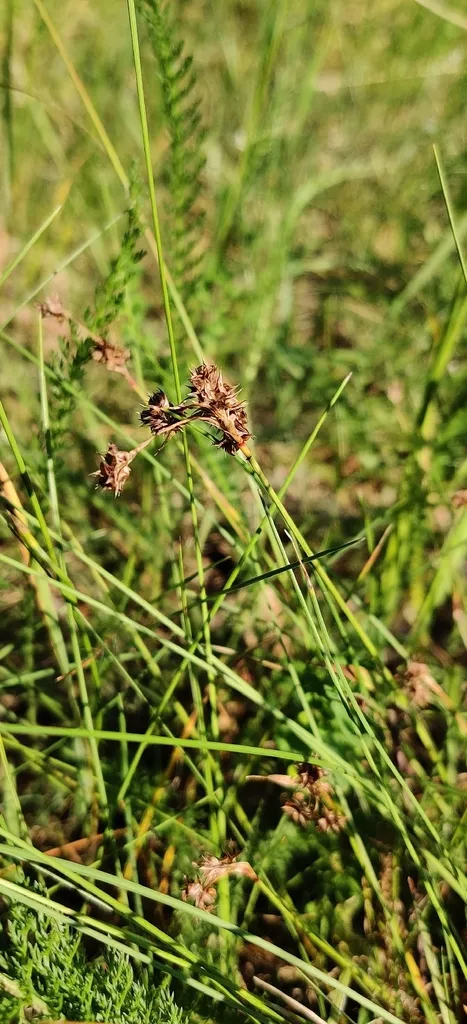
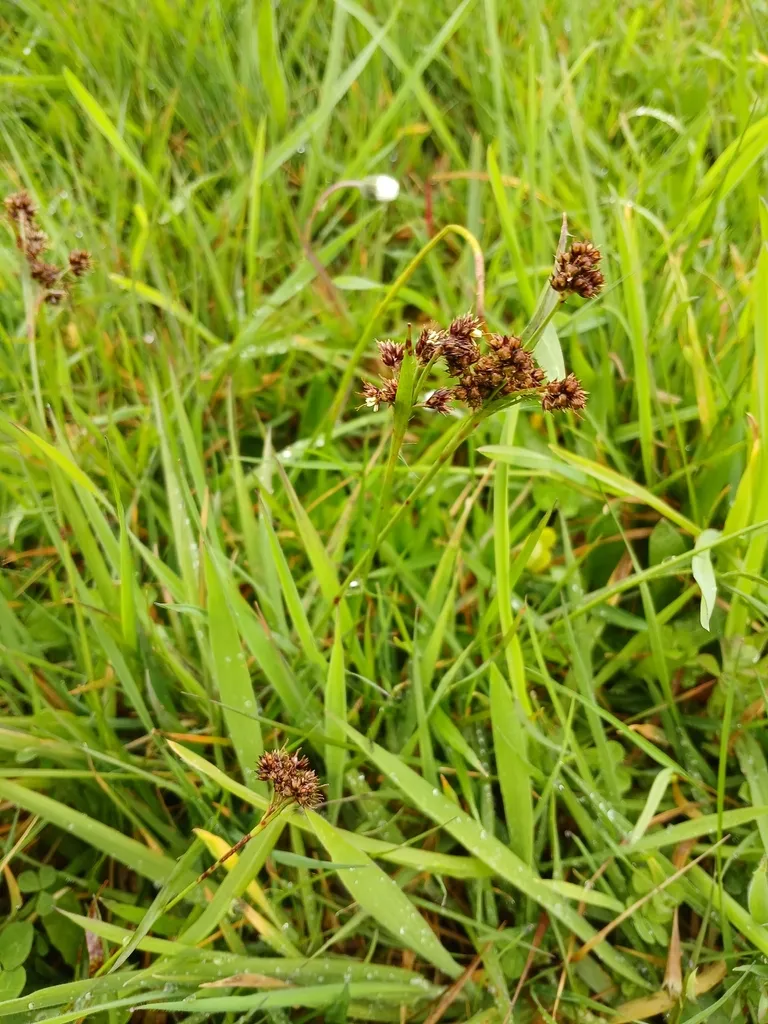
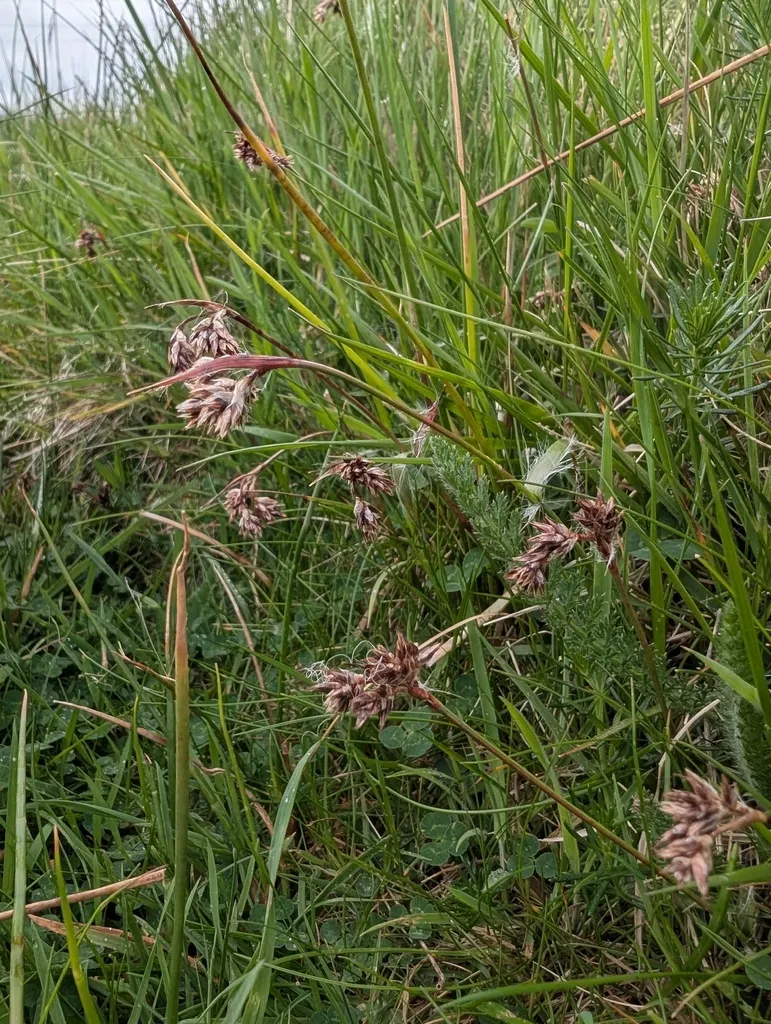
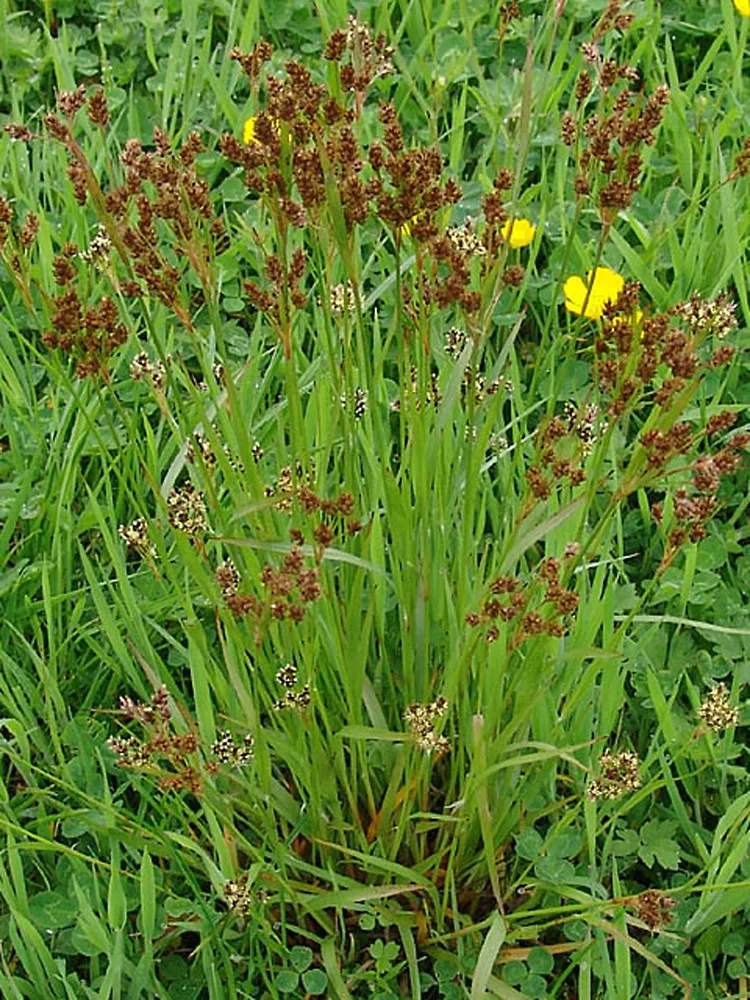
A grass-like perennial to 15cm high, with broad-bladed dark green leaves, edged with fine silky hairs. Produces distinctive dark brown flower and seed heads in spring. Spreads rapidly and is often found in lawns where turf grasses are weakened by poor drainage or acidic conditions
Scientific classification
- Species
- Australian glow worm grass (Luzula campestris)
- Genus
- Luzula
- Family
- Juncaceae
- Information to be completed
- Toxicity
- Grass Like
- Plant type
- 0.1-0.5 metres
- Height
- 0.1-0.5 metres
- Spread
- Deciduous
- Foliage
- Tufted
- Habit
- Spring · Summer
- Season of interest
- Full shade · Full sun · Partial shade
- Sunlight
- Information to be completed
- Ideal temperature









Australian glow worm grass pictures
Distribution of Australian glow worm grass
Distribution map
Cosmopolitan
Information to be completed
Culture
Information to be completed
Toxicity
Information to be completed
Quick identification of Australian glow worm grass
Information to be completed
Australian glow worm grass care guide
- Moderate regular watering, allowing brief slight drying between soakings
- Watering
- Full shade · Full sun · Partial shade
- Sunlight
- Information to be completed
- Ideal temperature

Watering
Moderate regular watering, allowing brief slight drying between soakings
Fertilizing
 Fertilizing
Balanced perennial feed every four weeks from spring through summer
Pruning
 Pruning
In lawns, regular mowing can prevent the development of flowers and seed heads; clippings should be removed to prevent spread. Rake before mowing to raise runners from the soil surface
Propagation
 Propagation
Propagates by seed and by creeping stolons (runners) on the surface of the soil; hand weeding can remove runners
Growing
 Growing
Prefers moist conditions, and often dies back by midsummer. Rapid growth and spread mean that this plant is generally considered a weed. Improving soil conditions can help fine turf grasses to compete, see coarse grasses in lawns for more advice
People also ask
Information to be completed
Common pests and diseases
Diseases
Generally disease-free
Pests
Generally pest-free
Explore the plant health library →




