



Planting and Growing dwarf chin cactus

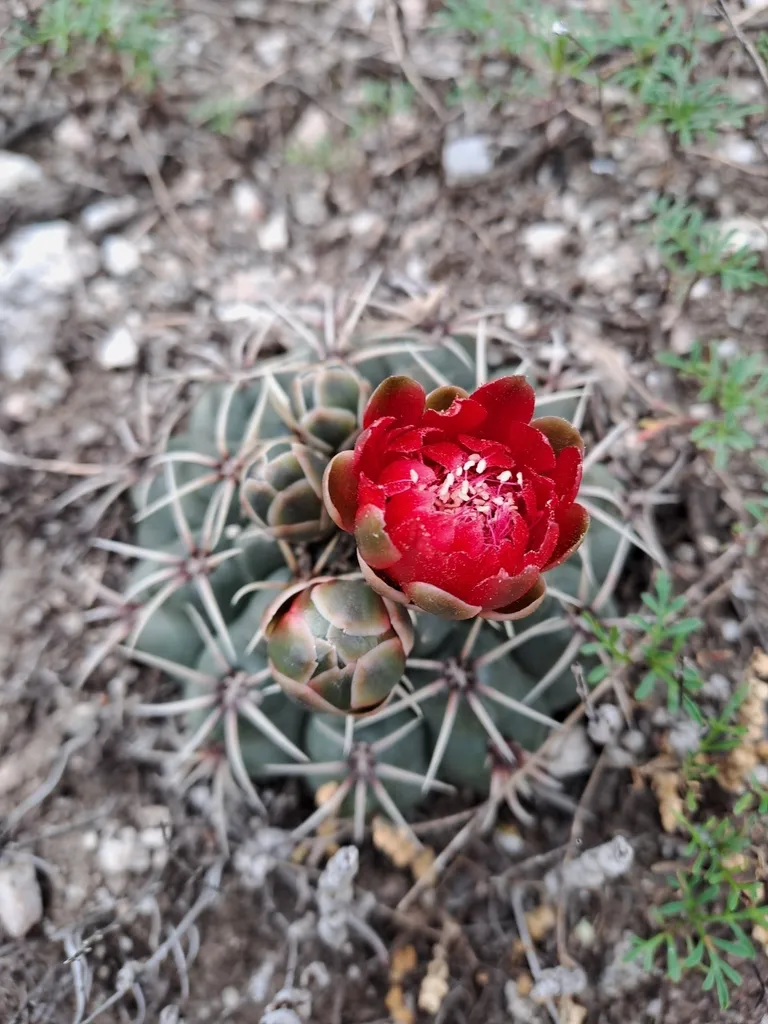
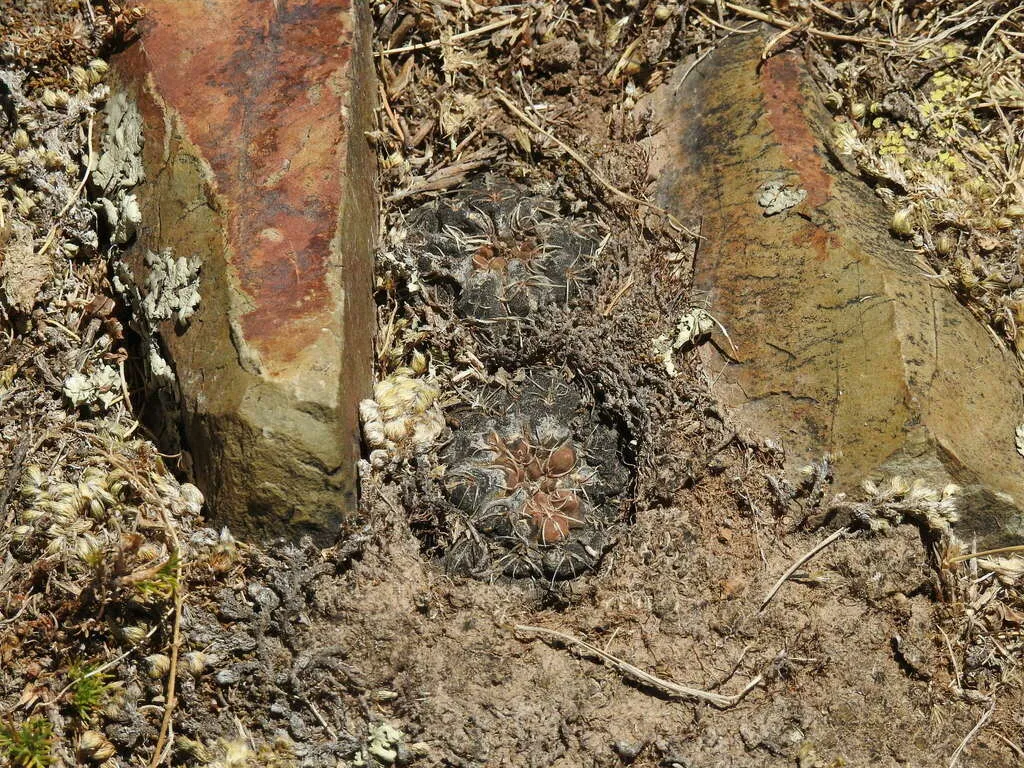
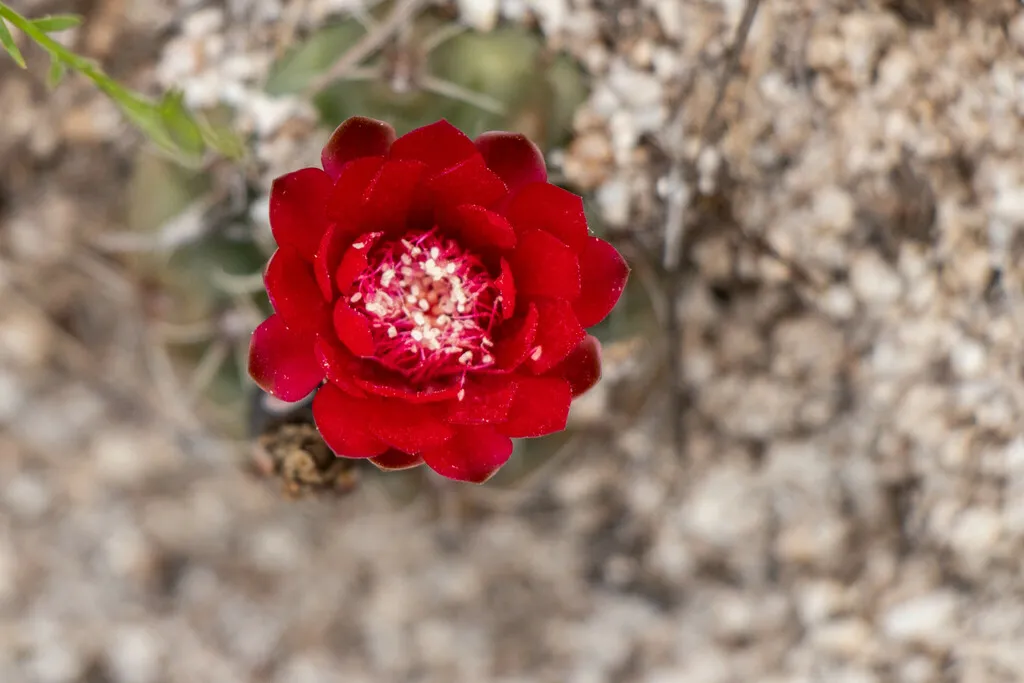
| Care difficulty | 2 / 5 |
|---|---|
| Watering schedule | Deep watering only after full dryness, keeping roots drier in cool weather |
| Sunlight requirements | Full sun |
| Ideal temperature | 18 – 28 °C |
| Soil type | Loam · Sand |
| Soil pH | Acid · Alkaline · Neutral |
| Soil moisture | Well drained |
| Fertilizing | Very weak cactus fertilizer monthly during warm active growth |
| Toxicity | Information to be completed |
How to Water dwarf chin cactus?
Spider-cactus thrives in arid environments, mirroring its native habitat's low moisture availability. This cactus has adapted to store water efficiently, requiring minimal supplemental hydration and exhibiting significant drought tolerance. Watering should be sparse, with a schedule of once every three weeks being optimal to prevent root rot and mimic natural conditions. Typically grown indoors due to its size and ornamental value, spider-cactus benefits from well-draining soil that emulates the gritty substrates of its natural rocky terrains, which aids in preventing water retention and promotes healthy root development.
Learn more →What Are the Sunlight Requirements for dwarf chin cactus?
Spider-cactus's optimal light conditions entail exposure to full sun, which facilitates robust growth, flourishing health, and enhanced flowering capabilities. While spider-cactus thrives under direct sunlight, it can tolerate a degree of partial shade without severe detriment to its overall wellbeing. However, prolonged shading may lead to suboptimal growth and reduced blooming. Adaptive traits, such as its spherical, ribbed form, help spider-cactus withstand intense light. Ideally positioned in sun-drenched locations outdoors, spider-cactus can also prosper indoors near south-facing windows where light is abundant.
Learn more →What Is the Ideal Temperature Range for dwarf chin cactus?

Spider-cactus exhibits a remarkable resilience to temperature deviations, enduring cold down to -5℃ (23℉) and heat up to 43℃ (109℉). This adaptability makes spider-cactus suitable for various environments, though protection is needed during extreme conditions. In cold, it may exhibit discoloration or soft tissue, while excessive heat can cause desiccation or scorched stems. Shielding it from frost and providing shade during intense heat prevents damage. Understanding spider-cactus's tolerance helps in tailoring its care, ensuring thriving growth despite temperature fluctuations.
Learn more →What Soil Is Best for dwarf chin cactus?
Spider-cactus thrives in well-draining soil. A mix of succulent & cactus soil with added perlite (2:1 ratio) ensures proper aeration. If this is not available, combine equal parts sand, potting soil, and perlite or pumice. For drainage, use a pot with holes at the bottom. Periodic fertilization with a cactus-specific feed during the growing season supports health and growth.
- Soil type
- Loam · Sand
- Soil pH
- Acid · Alkaline · Neutral
What Are the Moisture Requirements for dwarf chin cactus?
Well drained
Learn more →How to Fertilize dwarf chin cactus?

Fertilize spider-cactus with a succulents and cacti specific formula during its growing season, spring and summer, for robust growth and blossoms. Apply a dilute solution monthly, ensuring a balanced mix of nutrients, such as a low-nitrogen, high-potassium product. Avoid over-fertilization to prevent root burn and plant stress. During dormancy in fall and winter, cease feeding to align with spider-cactus's reduced metabolic needs. Practicing gentle fertilization can lead to a thriving spider-cactus, with vibrant flowers and strong, healthy spines.
Learn more →How to Prune dwarf chin cactus?

Spider-cactus does not require much pruning. Remove withered flowers and branches so the plant uses nutrients on healthy growth.
Learn more →How to Propagate dwarf chin cactus?

A popular cactus for both novice and seasoned gardeners, spider-cactus can be effectively propagated using the division method. This involves separating offsets that emerge naturally at the base. Careful handling is paramount due to its spines. Once detached, allow the offsets to callous for a few days before potting them in well-draining cactus soil. Ensure indirect light and minimal watering until new growth signals successful rooting. This technique reliably multiplies spider-cactus, yielding clones of the parent for expanding collections or sharing with fellow enthusiasts.
Learn more →How to Transplant dwarf chin cactus?
Transplant spider-cactus when rejuvenation beckons with spring's gentle warmth. Choose a well-lit spot, shielding from harsh midday sun. If spider-cactus seems snug, present a slightly larger home to encourage growth. Remember, kindness and patience are key companions in this venture.
Learn more →How to Plant dwarf chin cactus?
Indoors-potted: For a thriving spider-cactus indoors, ensure ample air circulation to mimic its natural arid environment, which helps prevent moisture-related issues. Outdoors-potted: Spider-cactus appreciates being outdoors with more space to grow; rotate the pot regularly for balanced growth since it leans towards light sources. Outdoors-in the ground: When planting spider-cactus in the garden, choose a spot that shields it from excessive rain, as its roots are prone to rot in damp soil.
Learn more →How to Repot dwarf chin cactus?
Ideal in spring, spider-cactus should be repotted every 2-3 years to complement its moderate growth rate. Select a pot one size larger to accommodate its round, low-growing form, ensuring efficient drainage to prevent root rot. Post-repotting, give spider-cactus bright but indirect light, and resume watering only when the soil is dry to touch, supporting a robust recovery.
Learn more →How to Harvest dwarf chin cactus?

Most fruits of spider-cactus are edible. Pick the fruit when they turn red. Avoid food safety issues by confirming the species with experts. Wear gloves or use scissors and other tools to harvest.
Learn more →Common Pests & Diseases

Diseases
Generally disease free
Pests
mealybugs may be a problem
Explore the plant health library →Troubleshooting
Soft Basal Rot or Splitting Leaves vs. Wrinkled Dehydration
dwarf chin cactus (Gymnocalycium baldianum) stores water in fleshy leaves or stems and depends on sharply drained mineral compost; excess moisture in cool or dormant periods quickly causes rot or split tissues.
| What you notice | Possible explanation | What to check next |
|---|---|---|
| Base of stem or lower leaves turns dark brown/black, soft, and translucent while soil stays damp | Root or stem rot from overwatering, heavy compost, or watering during dormancy | Check pot drainage holes, inspect lower soil wetness, and test base firmness gently |
| Fleshy leaves or stems look wrinkled, deflated, or limp while gritty soil is bone dry during active growth | Underwatering as the plant draws on stored tissue moisture | Check deep soil dryness and confirm seasonal growth activity |
- Pot in a sharply drained cactus/succulent compost (amended with pumice, coarse sand, grit, or perlite) in a container with open drainage holes.
- Follow seasonal moisture cues: Deep watering only after full dryness, keeping roots drier in cool weather.
- If rot develops at the base, cut away healthy upper stems or offsets with a sterilized blade, let cut ends dry and callous for several days, and root in fresh gritty mix.
Stop watering immediately if soft black rot spreads from the base, and discard rotted tissues and wet old soil.
Etiolated Growth or Mealybugs, Scale, and Spider Mites
Insufficient direct sunlight stretches new growth and dulls natural coloration in dwarf chin cactus (Gymnocalycium baldianum), while mealybugs, root mealybugs, and scale often shelter in leaf axils or roots.
| What you notice | Possible explanation | What to check next |
|---|---|---|
| New growth stretches pale green with wide internodes instead of staying compact and richly colored | Insufficient bright light | Evaluate daily hours of direct or bright filtered light at the current site |
| White cottony tufts, sticky honeydew, or hard brown bumps along stems, leaf bases, or roots | Sap-sucking pests (mealybugs may be a problem) | Inspect stem junctions, leaf undersides, and the soil line closely |
- Acclimate gradually to full sun so new growth develops compact form and natural coloration without sudden sunburn.
- Isolate infested plants and dab visible mealybugs or scale with rubbing alcohol on a cotton swab, or apply insecticidal soap per label directions.
- Protect frost-tender plants indoors or under cover before freezing weather arrives.
Already stretched stems will not shrink back, though compact healthy growth will resume once bright light is restored.