



Planting and Growing Friedrich's Gymnocalycium

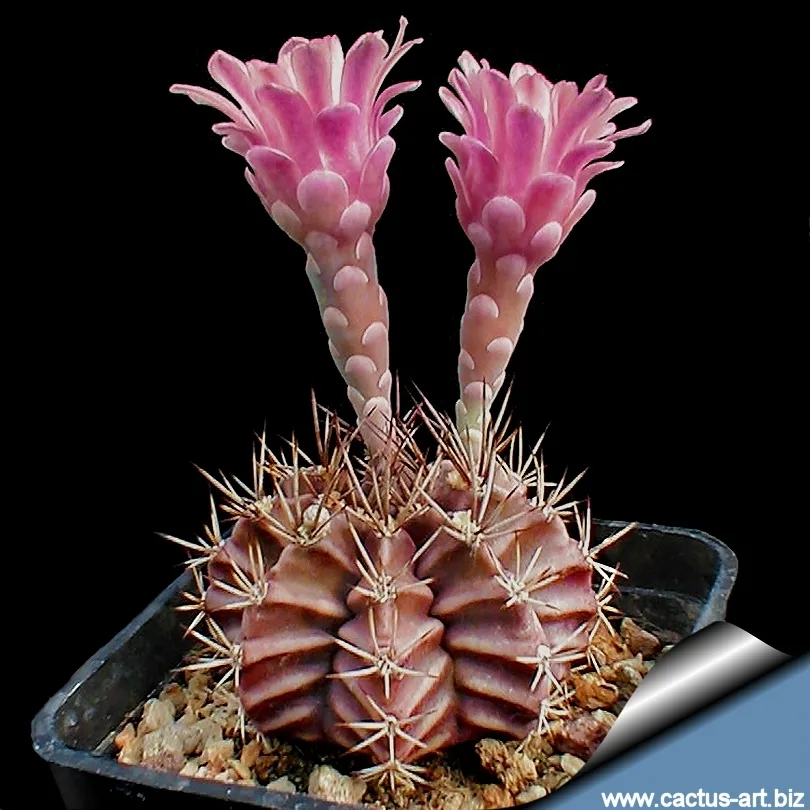
| Care difficulty | 3 / 5 |
|---|---|
| Watering schedule | Water thoroughly when soil is dry, allow to dry out completely between waterings |
| Sunlight requirements | Full sun |
| Ideal temperature | Information to be completed |
| Soil type | Sand · Loam |
| Soil pH | Neutral · Acid |
| Soil moisture | Well-drained |
| Fertilizing | Every 4 weeks during growing season (spring-summer) |
| Toxicity | Non-toxic to humans and pets. |
How to Water Friedrich's Gymnocalycium?
Water thoroughly when soil is dry, allow to dry out completely between waterings
Learn more →What Are the Sunlight Requirements for Friedrich's Gymnocalycium?
Full sun
Learn more →What Soil Is Best for Friedrich's Gymnocalycium?
- Soil type
- Sand · Loam
- Soil pH
- Neutral · Acid
What Are the Moisture Requirements for Friedrich's Gymnocalycium?
Well-drained
Learn more →How to Fertilize Friedrich's Gymnocalycium?

Every 4 weeks during growing season (spring-summer)
Learn more →How to Prune Friedrich's Gymnocalycium?

No pruning necessary. Remove offsets as needed for propagation or to maintain shape.
Learn more →How to Propagate Friedrich's Gymnocalycium?

Propagate by offsets in spring. Carefully detach offsets, allow the cut to callus for 2-3 days, then pot in a well-draining cactus mix. Keep in a warm, bright spot and water sparingly until roots establish.
Learn more →How to Plant Friedrich's Gymnocalycium?
Requires bright light; protect from intense midday sun to avoid scorching. Use a very well-draining cactus compost. Water thoroughly when the soil becomes completely dry; reduce watering in winter to near-dryness. Apply a dilute cactus fertilizer every 4 weeks during the growing season. Keep temperatures above 10°C throughout the year; protect from frost.
Learn more →Common Pests & Diseases

Diseases
Generally disease-free but prone to root rot if overwatered. Ensure excellent drainage and avoid waterlogging.
Pests
Susceptible to mealybugs and scale insects, especially when stressed. Regular inspection and prompt treatment recommended.
Explore the plant health library →The Toxicity of Friedrich's Gymnocalycium
Non-toxic to humans and pets.