



Planting and Growing potato

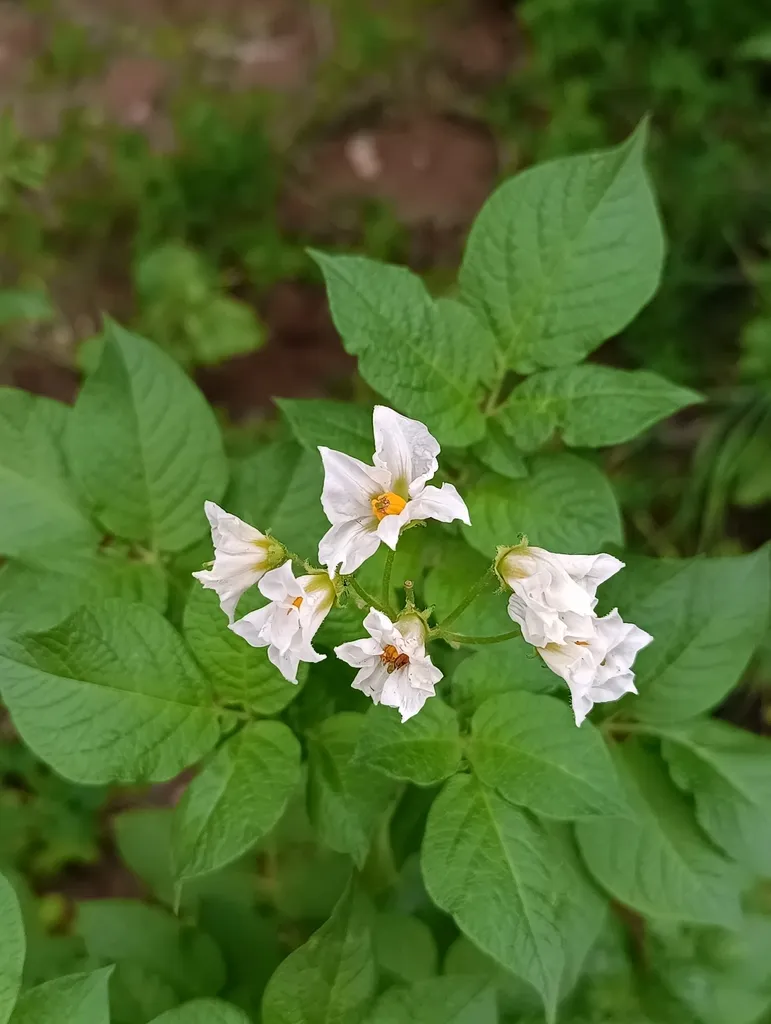
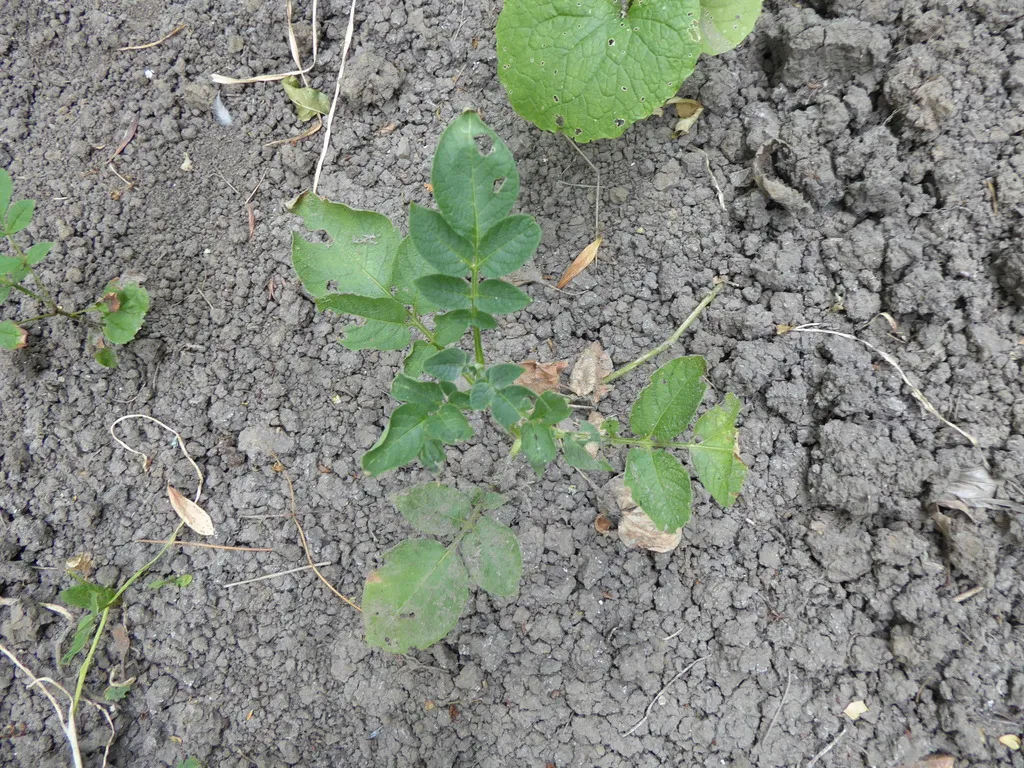
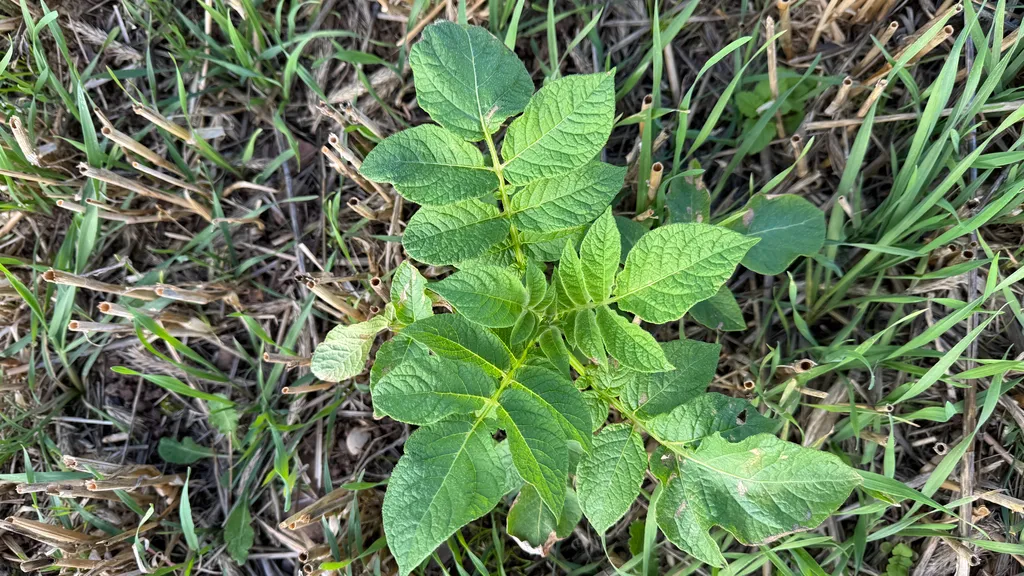
| Care difficulty | 2 / 5 |
|---|---|
| Watering schedule | Moderate regular watering, allowing brief slight drying between soakings |
| Sunlight requirements | Full shade · Partial shade |
| Ideal temperature | 15 – 22 °C |
| Soil type | Clay · Loam · Sand |
| Soil pH | Acid · Alkaline · Neutral |
| Soil moisture | Moist but well drained · Well drained |
| Fertilizing | Balanced perennial feed every four weeks from spring through summer |
| Toxicity | Harmful if eaten, except potato crop. Wear gloves and other protective equipment when handling] |
How to Water potato?
Originating from the Andean region, potato is accustomed to a moderate watering regime reflecting its evolution in environments with periodic rainfall. The plant thrives when maintaining a balance between moisture and well-drained conditions, exhibiting resilience against short dry spells. Consistent with its native climate, potato benefits from watering every week. As a staple crop often grown outdoors, potato's tuber development is highly dependent on regular irrigation during its growing season to ensure optimal yield and size.
Learn more →What Are the Sunlight Requirements for potato?
Potato thrives best in full sun conditions, requiring at least 6 to 8 hours of direct sunlight per day for optimal growth. This light intensity promotes healthy tuber development and maximizes yield. Although potato possesses a fair tolerance to partial sun, with light levels slightly lower than full sun conditions, it's important to note that reduced light exposure can lead to elongated stems and sparse foliage, which can compromise the plant's vigor and tuber size. There are no specific adaptive traits related to light, but the plant does demonstrate resilience by maintaining growth in less-than-ideal light conditions. Potato is largely cultivated outdoors and performs best in open areas that receive uninterrupted sunlight.
Learn more →What Is the Ideal Temperature Range for potato?

Potato exhibits moderate tolerance to temperature extremes. It can withstand cold down to 0℃ (32℉) and heat up to 41℃ (106℉). This resilience makes it adaptable to varying climates, though protective measures are crucial during extreme temperatures. In cold conditions, symptoms include blackened, wilted leaves, while overheating leads to scorched foliage and tuber damage. To protect potato, use mulch or row covers in cold weather and provide shade or irrigation during heatwaves. These practices help maintain optimal growth and productivity, ensuring the plant thrives even in less-than-ideal conditions.
Learn more →What Soil Is Best for potato?
For potato, ensure well-drained, loose soil to prevent water-logging. Use a mix of equal parts garden soil, compost, and sand; alternatively, perlite or vermiculite can replace sand for better aeration. Regularly incorporate organic matter to maintain soil structure. Fertilize with a balanced, slow-release fertilizer at planting and mid-season to support growth. Proper soil aeration and nutrient supply are crucial for potato's healthy development.
- Soil type
- Clay · Loam · Sand
- Soil pH
- Acid · Alkaline · Neutral
What Are the Moisture Requirements for potato?
Moist but well drained · Well drained
Learn more →How to Fertilize potato?

Balanced perennial feed every four weeks from spring through summer
Learn more →How to Prune potato?

Potato, known for its edible tubers, benefits from strategic pruning. Optimal pruning occurs between early and late spring. Focus on removing dead or damaged stems, and any excessive foliage to encourage air circulation and sunlight penetration. Pruning helps prevent disease and improve overall yield. Timely removal of flower buds redirects energy to tuber development.
Learn more →How to Propagate potato?

Potato primarily propagates through using its tubers during the spring season. The process is relatively easy, and success can be identified by new shoot growth. Adequate soil moisture and temperature are crucial factors for successful propagation.
Learn more →How to Transplant potato?
For potato, the optimal transplanting time is during mid-spring to early summer, as it offers the ideal growing conditions. Choose a sunny location with well-drained soil for transplantation. Remember to water consistently and provide adequate space for tuber development.
Learn more →How to Plant potato?
Indoors-potted: In an indoor setting, potato requires strategic positioning to ensure adequate growth, considering their need for ample light. Outdoors-potted: When potted outdoors, potato thrives with proper drainage and space as they expand, a key factor often overlooked. Outdoors-in the ground: Potato enjoys outdoor cultivation but beware of overcrowding; they require room to flourish and avoid disease spread.
Learn more →How to Repot potato?
Repot potato, a tuber-forming bush, every 2-3 years to accommodate growth. Ideally, repot in early spring before the growth cycle begins. Select a container that’s wide and deep enough for tuber expansion, ensuring healthy development. After repotting, maintain consistent moisture and protection from extreme temperatures to aid in recovery. A friendly reminder: potato thrives with a little extra care post-repotting.
Learn more →Common Pests & Diseases

Diseases
May be susceptible to honey fungus (rarely), Potato scab, Potato blight, Potato rot, Potato blackleg and stem canker
Pests
May be susceptible to\u00A0cutworms,\u00A0slugs, wireworms,\u00A0leaf and bud eelworm and potato cyst nematodes
Explore the plant health library →Troubleshooting
Blight Leaf Lesions, Scab, or Green Tubers
potato (Solanum tuberosum) depends on full sun, well-drained fertile soil, and steady moisture during active growth and harvest development.
| What you notice | Possible explanation | What to check next |
|---|---|---|
| Dark brown water-soaked blotches on leaves/stems in wet weather, with pale fungal growth underneath | Suspected potato blight (Phytophthora infestans) or early blight favored by wet foliage | Inspect lower leaves and stems closely during humid or rainy spells |
| Exposed tubers at the soil surface turn green, or lower leaves yellow as plants mature | Sunlight hitting shallow tubers (producing toxic solanine) vs. normal late-season crop maturity | Check whether tubers are covered by soil and assess plant age |
- Mound (earth up) soil or thick straw mulch around growing potato stems so developing tubers stay completely shielded from sunlight.
- Water at the base of plants early in the day rather than wetting foliage overhead to reduce fungal diseases.
- Remove and destroy blighted potato foliage immediately (never compost blighted leaves or tubers) and practice multi-year crop rotation.
NEVER eat green-skinned or sprouted potatoes, potato leaves, or potato berries—they contain toxic glycoalkaloids (solanine) not destroyed by cooking.
Sap-Sucking Pests, Beetles, or Slugs
Edible crops and fruiting plants attract aphids, spider mites, scale, beetles, or slugs during warm growth.
| What you notice | Possible explanation | What to check next |
|---|---|---|
| Curled new shoots, sticky honeydew, or fine webbing on leaf undersides | Aphids, spider mites, whiteflies, or scale insects | Inspect growing tips and leaf undersides closely |
| Chewed leaves or young shoots near soil level | Slugs, snails, leaf beetles, or caterpillars | Inspect foliage and soil surface early in the morning |
- Rinse aphids and spider mites off sturdy foliage with a firm spray of water, and hand-pick beetles or slugs.
- Encourage beneficial predators and keep garden beds free of decaying plant debris.
- If needed, apply food-crop-approved insecticidal soap or horticultural oil strictly according to label directions and pre-harvest intervals.
Always wash harvested fruits, herbs, and vegetables thoroughly before eating, and avoid spraying open blossoms.
The Toxicity of potato
Harmful if eaten, except potato crop. Wear gloves and other protective equipment when handling]