



Planting and Growing black nightshade

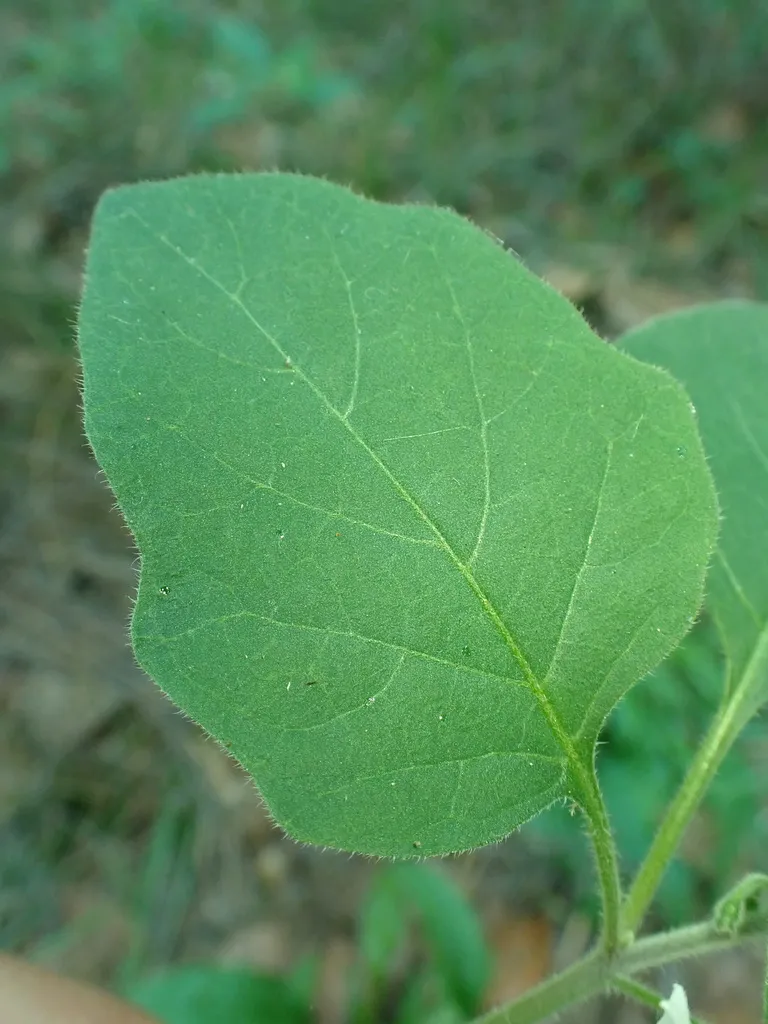
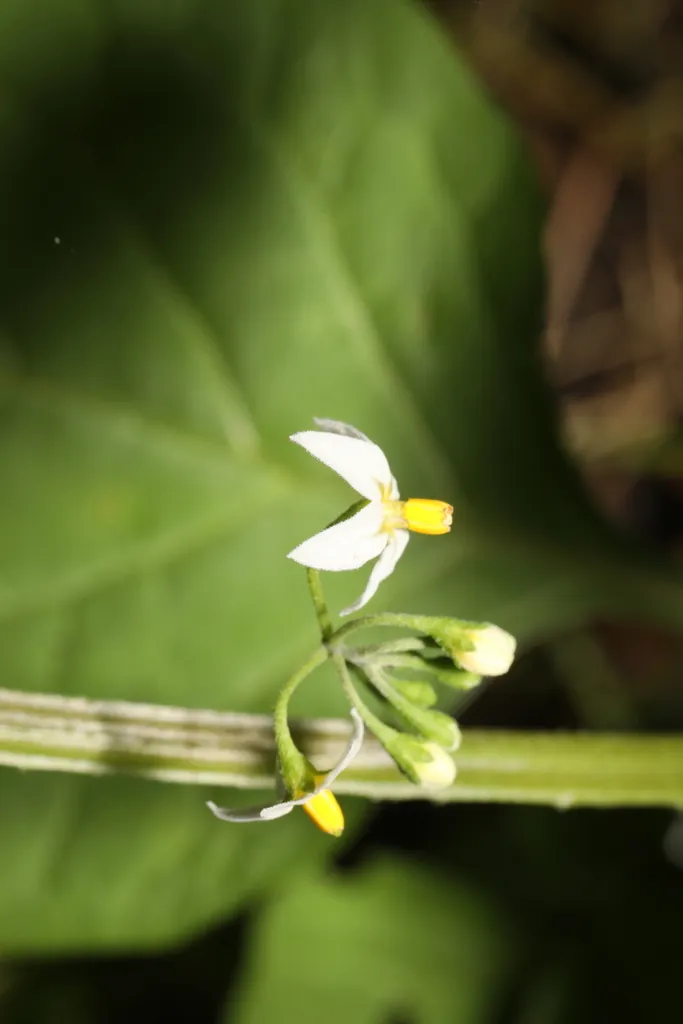
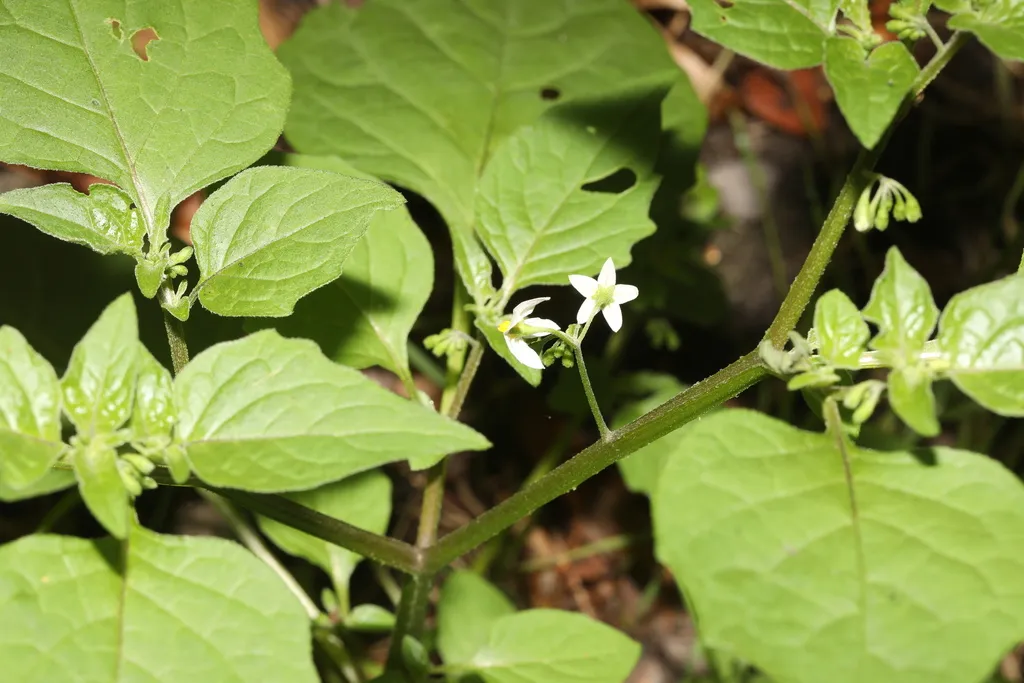
| Care difficulty | 2 / 5 |
|---|---|
| Watering schedule | Moderate regular watering, avoid prolonged drought and stagnant waterlogging |
| Sunlight requirements | Full sun · Partial shade |
| Ideal temperature | Information to be completed |
| Soil type | Chalk · Clay · Loam · Sand |
| Soil pH | Acid · Alkaline · Neutral |
| Soil moisture | Moist but well drained |
| Fertilizing | Balanced perennial feed every four weeks spring through summer growth |
| Toxicity | Information to be completed |
How to Water black nightshade?
Originating from diverse habitats, black nightshade has adapted to a moderate moisture regime, indicative of its resilience in both somewhat moist and dry conditions. It thrives with a consistent watering schedule, favoring watering every week to maintain its hydration balance. As an annual herb commonly cultivated outdoors, black nightshade benefits significantly during its growing season from regular rainfall patterns which enhance its growth and health.
Learn more →What Are the Sunlight Requirements for black nightshade?
Black nightshade thrives best in full sun conditions, where it benefits from extended periods of direct sunlight that enhance its growth and fruit production. Although black nightshade prefers bright light, it exhibits a commendable adaptation to partial sun, where it still maintains its vitality but might experience slower growth and fewer berries. Inadequate light may lead to leggy stems and less vigorous plants. Outdoors, black nightshade flourishes in open areas that receive unobstructed sunlight for at least 6 hours a day. Its leaves may adapt to intense light exposure by altering orientation or structure to mitigate stress, ensuring optimal photosynthesis and health.
Learn more →What Is the Ideal Temperature Range for black nightshade?

Black nightshade exhibits notable resilience to temperature variations, with a tolerance range extending from -35℃ (-31℉) to 43℃ (109℉). This extensive range indicates black nightshade's adaptability to both cold and heat extremes, making it suitable for diverse climates. However, in conditions outside this range, the plant may exhibit stress symptoms like wilting, leaf burn, or stunted growth. Care requirements include protective measures such as frost blankets in extreme cold and shading or increased watering during intense heat. Recognizing and mitigating these temperature stresses are crucial to maintaining black nightshade's health and vitality in varying environments.
Learn more →What Soil Is Best for black nightshade?
- Soil type
- Chalk · Clay · Loam · Sand
- Soil pH
- Acid · Alkaline · Neutral
What Are the Moisture Requirements for black nightshade?
Moist but well drained
Learn more →How to Fertilize black nightshade?

Balanced perennial feed every four weeks spring through summer growth
Learn more →How to Prune black nightshade?

Remove before flowering to prevent spread
Learn more →How to Propagate black nightshade?

Sowing in Spring is the ideal method for propagating black nightshade. It involves moderate difficulty and success can be generally seen through new green growth emerging. Ensure well-draining soil for optimal propagation results.
Learn more →How to Transplant black nightshade?
The best time to transplant black nightshade is during the amiable climatic stretch of mid to late spring or early summer, capitalizing on the moderate temperatures for optimal root establishment. Choose a location with well-draining soil, partial to full sunlight, and consider enriching the site with organic matter to encourage vigorous growth.
Learn more →How to Care for black nightshade in Winter?

Information to be completed
Learn more →How to Plant black nightshade?
Most successful in moist, warm, fertile conditions, less so in dry soil or heavy shade. May overwinter in milder areas. Generally considered a weed for its ability to outcompete neighbouring plants, and for its role in hosting plant pests and diseases
Learn more →How to Repot black nightshade?
Information to be completed
Learn more →How to Harvest black nightshade?

Information to be completed
Learn more →Common Pests & Diseases

Diseases
May be susceptible to honey fungus (rarely), tomato leaf mould and tomato viruses
Pests
Generally disease-free, but may provide an alternate host for a range of nematodes that may be harmful to other plants, as well as for thrips
Explore the plant health library →The Toxicity of black nightshade
Information to be completed