



Planting and Growing ladyfinger cactus

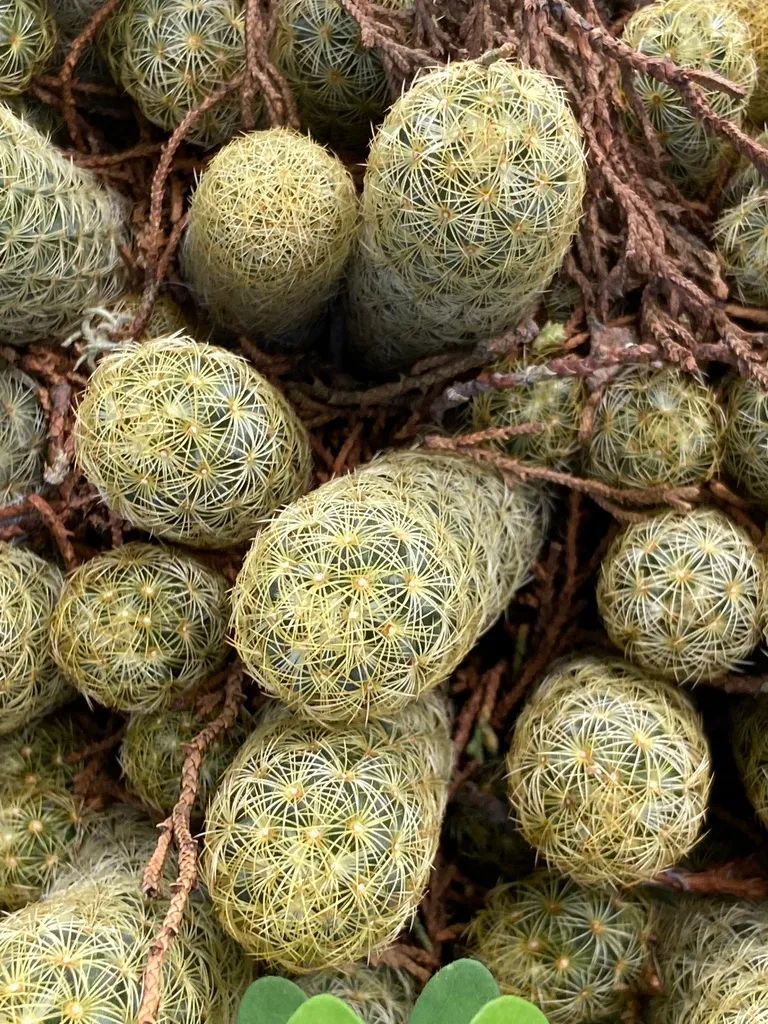
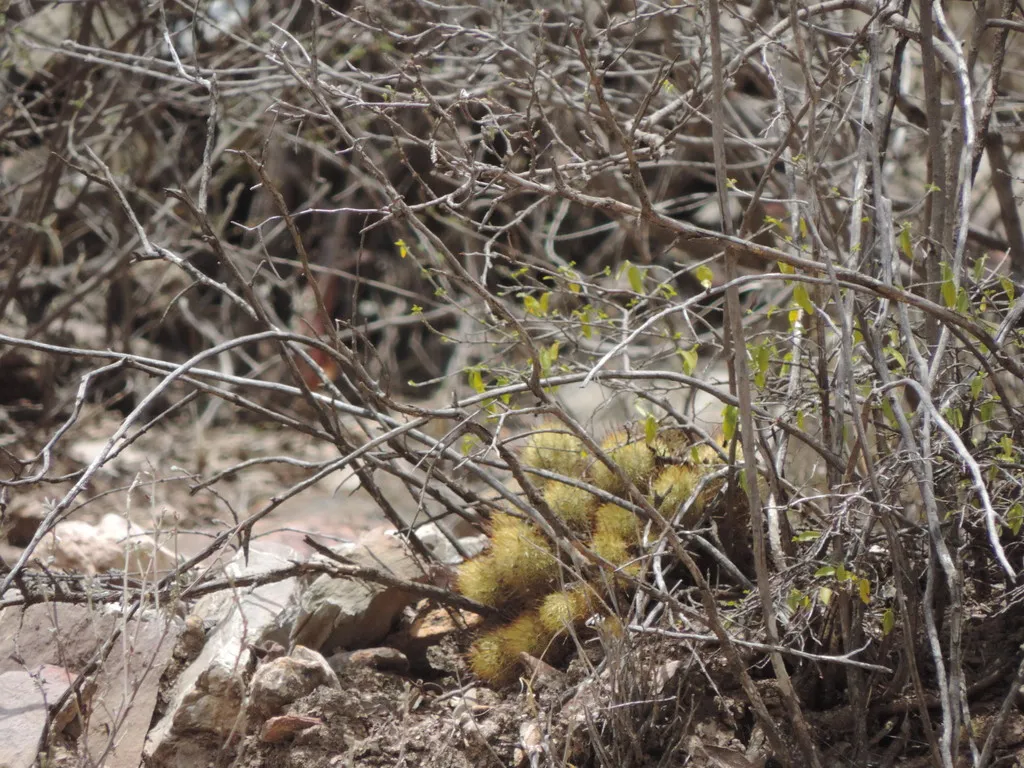
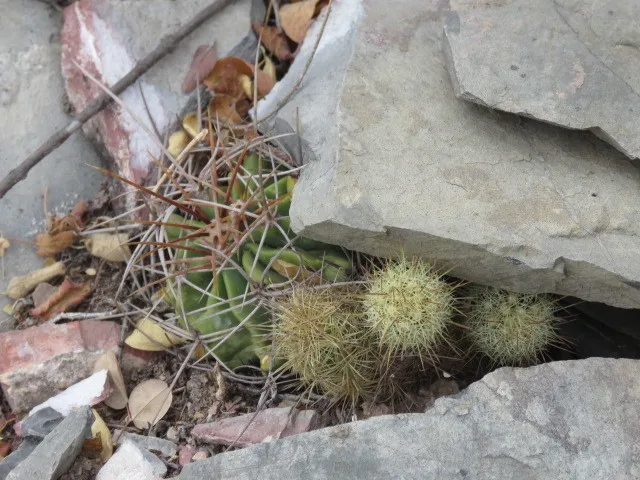
| Care difficulty | 2 / 5 |
|---|---|
| Watering schedule | Deep but infrequent watering, letting soil dry completely |
| Sunlight requirements | Full sun |
| Ideal temperature | 18 – 28 °C |
| Soil type | Loam · Sand |
| Soil pH | Acid · Alkaline · Neutral |
| Soil moisture | Well drained |
| Fertilizing | Very dilute low nitrogen cactus feed in warm growth season |
| Toxicity | Information to be completed |
How to Water ladyfinger cactus?
Ladyfinger cactus thrives in arid environments, mirroring its native desert conditions where water is scarce. This cactus has adapted to store water efficiently, making it highly drought-tolerant. It requires minimal watering, with a schedule of once every three weeks being sufficient to maintain its health. As an indoor plant, ladyfinger cactus prefers bright light and well-draining soil to prevent root rot from excessive moisture. In terms of growth cycles, the infrequent watering contributes to ladyfinger cactus's slow but steady growth pattern.
Learn more →What Are the Sunlight Requirements for ladyfinger cactus?
Ladyfinger cactus thrives best in conditions with full sunlight, an environment that contributes to its robust growth and blooming. The duration of exposure to bright light should align with the natural daylight cycle. Ladyfinger cactus can endure partial sun, but prolonged periods outside its light preference might result in suboptimal growth patterns and reduced flowering. Adaptively, ladyfinger cactus can modify its morphology for better light absorption. While primarily an outdoor species, when planted outdoors, ladyfinger cactus should occupy a spot that guarantees several hours of direct sunlight, while avoiding areas where shadowing is predominant, to maintain its health and vigor.
Learn more →What Is the Ideal Temperature Range for ladyfinger cactus?

Ladyfinger cactus exhibits commendable resilience to temperature variations, tolerating cold down to 0℃ (32℉) and heat up to 43℃ (109℉). This adaptability means ladyfinger cactus can thrive in a range of environments but requires certain protective measures. During extreme cold, symptoms like discoloration and mushy stems may appear, indicating the need for insulation or relocation indoors. Conversely, excessive heat can cause wilting and sunburn spots; shading and adequate watering help mitigate these effects. Understanding these temperature tolerances ensures optimal care and longevity for ladyfinger cactus in diverse settings.
Learn more →What Soil Is Best for ladyfinger cactus?
Ladyfinger cactus thrives in a well-draining soil mix, which prevents root rot. To create a suitable mix, combine 50% potting soil with 50% perlite or pumice. If perlite or pumice is unavailable, use coarse sand. Ensure pots have drainage holes to aid in excess water escape. For growth enhancement, mix slow-release fertilizer into the soil at the beginning of the growing season. Maintain the potting mix airy and avoid compacting to support ladyfinger cactus's sensitive root system.
- Soil type
- Loam · Sand
- Soil pH
- Acid · Alkaline · Neutral
What Are the Moisture Requirements for ladyfinger cactus?
Well drained
Learn more →How to Fertilize ladyfinger cactus?

For optimal growth, fertilize ladyfinger cactus every 4-6 weeks during active growth seasons, spring and summer, with a diluted succulent and cacti-specific fertilizer. This boosts ladyfinger cactus's health, enhancing flowering while maintaining robustness. Apply quarter-strength doses to avoid root burn, pausing in fall and winter dormant periods. Use granular or liquid formulations equally, ensuring even soil distribution and avoiding direct contact with ladyfinger cactus's surface. Always water ladyfinger cactus well before and after application to aid absorption and prevent nutrient overload, crucial for ladyfinger cactus's delicate root system.
Learn more →How to Prune ladyfinger cactus?

Ladyfinger cactus does not require much pruning. Remove withered flowers and branches so the plant uses nutrients on healthy growth.
Learn more →How to Propagate ladyfinger cactus?

Ladyfinger cactus, a succulent native to the deserts of Mexico, thrives in conditions that mimic its native habitat. For successful propagation, ensure bright light and well-draining soil mix. Cuttings are the ideal method; select a healthy section, allow it to callous for several days to prevent rot and then pot in suitable cacti mix. Water sparingly once the cutting has rooted to encourage growth while avoiding overwatering, which is detrimental to ladyfinger cactus.
Learn more →How to Transplant ladyfinger cactus?
The prime time to transplant ladyfinger cactus is during the warm, sunny months of early to mid-summer. This allows the plant to establish healthy roots in its new location. When transplanting, ensure ladyfinger cactus receives plenty of bright, indirect sunlight and well-draining soil. Carefully handle the delicate spines during the process for a successful transplant.
Learn more →How to Care for ladyfinger cactus in Winter?

Ladyfinger cactus thrives in arid regions akin to its native Mexico, expertly hibernating during winter. It dials down growth, leveraging thick, water-storing skin to combat chilly conditions. For at-home winter care, gardeners should reduce watering frequency and ensure temperatures stay above freezing. Properly tended, ladyfinger cactus will reward with a vibrant return in spring.
Learn more →How to Plant ladyfinger cactus?
Indoors-potted: Ensure ladyfinger cactus has a roomy pot to accommodate its fast-growing, finger-like stems; rotate for balanced growth. Outdoors-potted: In a container, ladyfinger cactus thrives with ample space and may require less frequent repotting compared to indoor settings. Outdoors-in the ground: Ladyfinger cactus is not commonly grown outdoors in the ground due to sensitivity to cold; provide shelter if temperatures drop.
Learn more →How to Repot ladyfinger cactus?
For the health of ladyfinger cactus, repotting every 2-3 years optimizes growth, as its roots need space to expand. Spring is ideal, aligning with its active growth phase. Choose a slightly larger pot with good drainage to prevent water logging. After repotting, give ladyfinger cactus bright, indirect light and minimal water to allow roots to settle. These steps promise a robust ladyfinger cactus thriving in its fresh home.
Learn more →How to Harvest ladyfinger cactus?

Most fruits of ladyfinger cactus are edible. Pick the fruit when they turn red. Avoid food safety issues by confirming the species with experts. Wear gloves or use scissors and other tools to harvest.
Learn more →Common Pests & Diseases

Diseases
Generally disease free
Pests
May be attacked by mealybugs
Explore the plant health library →