



Planting and Growing Ribes odoratum 'Crandall'

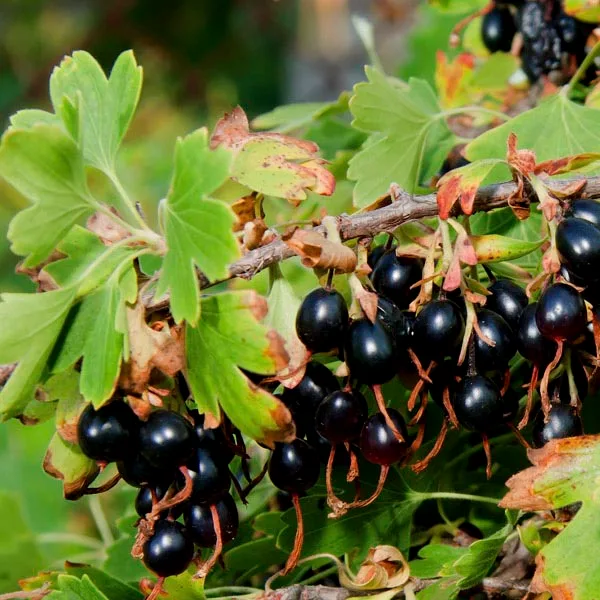
| Care difficulty | 1 / 5 |
|---|---|
| Watering schedule | Moderate regular watering, deep soak only during prolonged hot spells |
| Sunlight requirements | Full sun |
| Ideal temperature | Information to be completed |
| Soil type | Chalk · Clay · Loam · Sand |
| Soil pH | Acid · Alkaline · Neutral |
| Soil moisture | Moist but well drained |
| Fertilizing | Balanced evergreen shrub feed applied once per early spring yearly |
| Toxicity | Information to be completed |
How to Water Ribes odoratum 'Crandall'?
Moderate regular watering, deep soak only during prolonged hot spells
Learn more →What Are the Sunlight Requirements for Ribes odoratum 'Crandall'?
Full sun
Learn more →What Soil Is Best for Ribes odoratum 'Crandall'?
- Soil type
- Chalk · Clay · Loam · Sand
- Soil pH
- Acid · Alkaline · Neutral
What Are the Moisture Requirements for Ribes odoratum 'Crandall'?
Moist but well drained
Learn more →How to Fertilize Ribes odoratum 'Crandall'?

Balanced evergreen shrub feed applied once per early spring yearly
Learn more →How to Prune Ribes odoratum 'Crandall'?

Prune in winter. Blackcurrants fruit best on younger wood so aim to remove up to one quarter of the oldest stems at ground level to encourage new growth from the base
Learn more →How to Propagate Ribes odoratum 'Crandall'?

Propagate by hardwood cuttings
Learn more →How to Plant Ribes odoratum 'Crandall'?
Blackcurrants prefer a sunny site with well-drained but moisture-retentive soil, but will cope in most other soil conditions and tolerate light shade. Mulch annually with well-rotted manure or compost and apply a general purpose fertiliser in spring. Please see our blackcurrant cultivation page for more growing tips
Learn more →Common Pests & Diseases

Diseases
May be susceptible to a leaf spot, powdery mildews, coral spot and sometimes honey fungus
Pests
May be susceptible to aphids, blackcurrant gall midge, pigeons and blackcurrant big bud mite
Explore the plant health library →