



Planting and Growing lime

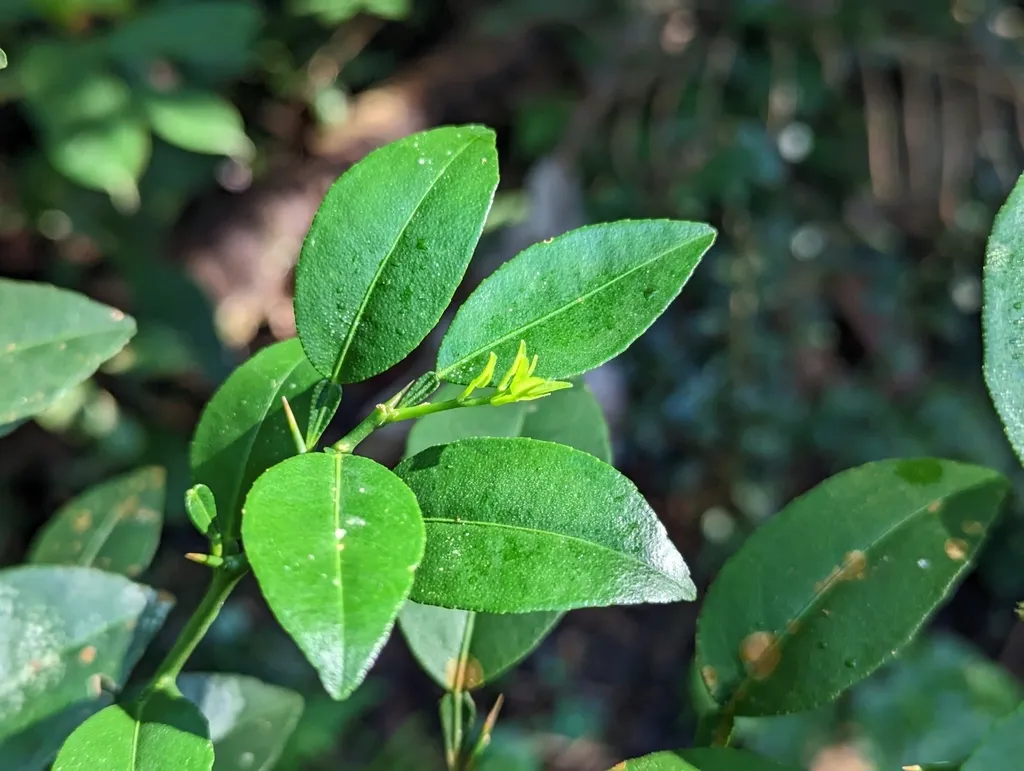
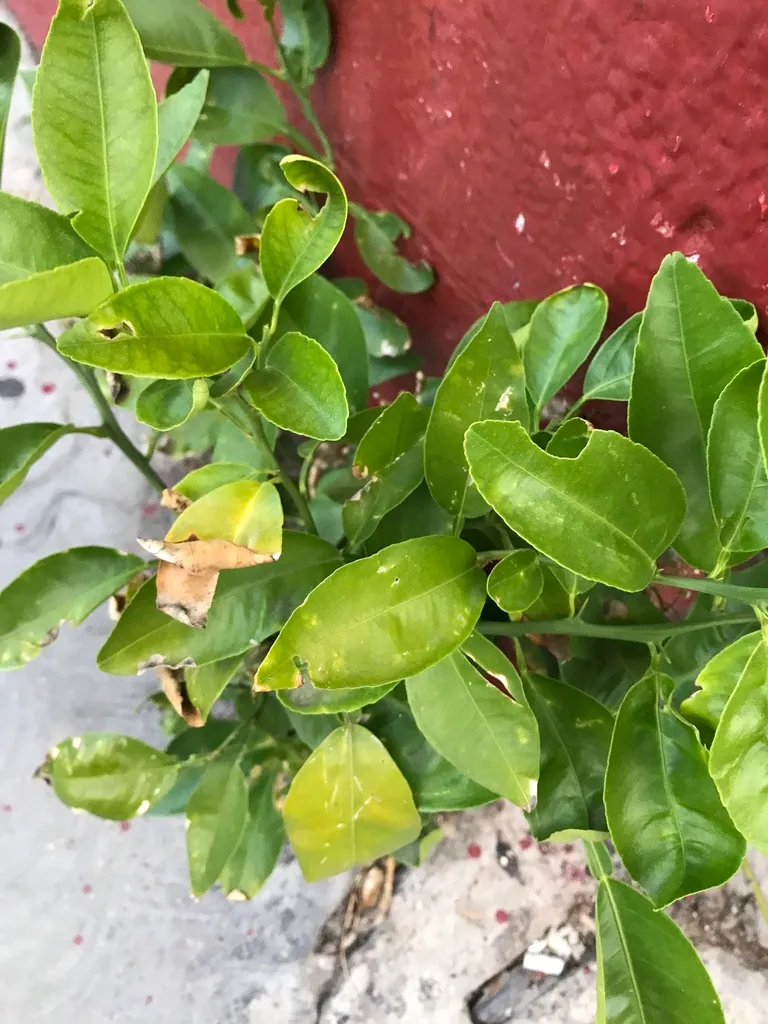
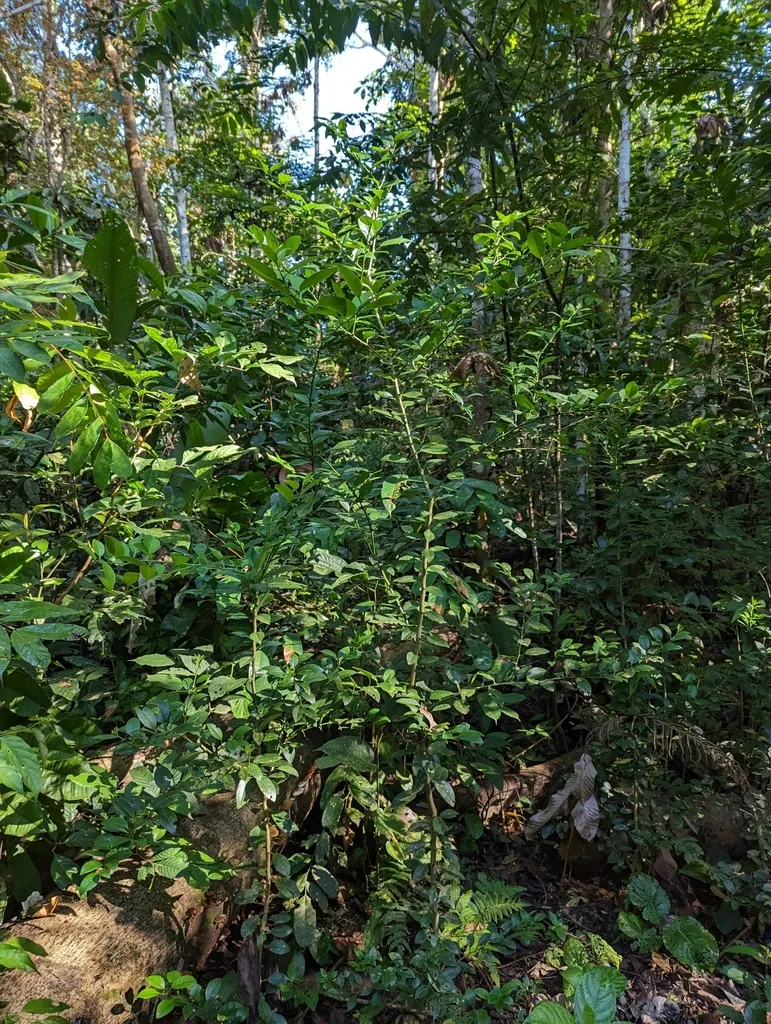
| Care difficulty | 3 / 5 |
|---|---|
| Watering schedule | Moderate regular watering, avoid prolonged drought or waterlogging |
| Sunlight requirements | Full sun · Partial shade |
| Ideal temperature | 15 – 25 °C |
| Soil type | Loam |
| Soil pH | Acid · Neutral |
| Soil moisture | Moist but well drained · Well drained |
| Fertilizing | Balanced feed in spring and light repeat in growth season |
| Toxicity | Fruit harmful to skin with sunlight/skin allergen. Wear gloves and other protective equipment when handling |
How to Water lime?
Moderate regular watering, avoid prolonged drought or waterlogging
Learn more →What Are the Sunlight Requirements for lime?
Full sun · Partial shade
Learn more →What Is the Ideal Temperature Range for lime?

15 – 25 °C
Learn more →What Soil Is Best for lime?
- Soil type
- Loam
- Soil pH
- Acid · Neutral
What Are the Moisture Requirements for lime?
Moist but well drained · Well drained
Learn more →How to Fertilize lime?

Balanced feed in spring and light repeat in growth season
Learn more →How to Prune lime?

Little pruning is needed. Remove diseased, damaged, crowded or crossing shoots and unwanted growth. Timing depends on the plant: generally late winter or early spring; plants prone to bleeding and deciduous magnolias need different timing, and deciduous azaleas and lilacs are pruned after flowering.
Learn more →How to Propagate lime?

Propagate by seed at 16°C in spring; seedlings do not come true to type. Propagate by semi-ripe cuttings in summer
Learn more →How to Plant lime?
Under glass, grow in loam-based potting compost such as John Innes No 2 with added grit for drainage in full light, shaded from hot sun. Water freely in growth, mist daily and apply a balanced liquid fertiliser every 2-3 weeks. Once frosts have passed container grown citrus can be stood outside for the summer until autumn. Further citrus cultivation advice
Learn more →Common Pests & Diseases

Diseases
Generally disease-free
Pests
May be susceptible to citrus red spider mite and glasshouse red spider mite, soft scale and fluted scale, aphids, caterpillars and mealybugs under glass
Explore the plant health library →Troubleshooting
Yellowing Leaves (Chlorosis), Leaf Drop, or Root Rot
lime (Citrus × aurantiifolia) needs bright sunlight, slightly acidic well-drained soil, and steady moisture without waterlogged roots; winter indoor dry heat, cold drafts, or alkaline water quickly trigger leaf yellowing and drop.
| What you notice | Possible explanation | What to check next |
|---|---|---|
| Young leaves turn yellow with dark green veins (interveinal chlorosis) | Iron, magnesium, or zinc deficiency caused by alkaline soil/hard tap water or cold wet roots | Check potting mix pH (ideal 5.5–6.5) and whether citrus-specific trace-element feed is used |
| Mature green leaves drop suddenly indoors in autumn or winter | Cold drafts, overly dry heated indoor air, or sudden light reduction when moved indoors | Check proximity to heaters/cold windows and inspect soil moisture |
- Grow in a free-draining, slightly acidic citrus or loam-based potting mix (amended with bark and grit) in full sun.
- Water carefully: Moderate regular watering, avoid prolonged drought or waterlogging, reducing watering in winter while keeping the root ball slightly moist.
- Feed with a citrus-specific fertilizer containing chelated iron and trace elements during spring and summer, and overwinter frost-free above 7–10°C.
Avoid standing pots in water-filled saucers, as Citrus roots rot quickly in cold, soggy compost.
Flower/Fruit Drop or Scale, Spider Mites, and Citrus Leafminer
Citrus trees naturally thin excess fruitlets, but drought swings or dry indoor air invite scale insects, spider mites, whiteflies, and sticky sooty mold.
| What you notice | Possible explanation | What to check next |
|---|---|---|
| Sticky honeydew on leaves, black sooty mold coating, or brown shell-like bumps along stems and midribs | Sap-sucking pests (May be susceptible to citrus red spider mite and glasshouse red spider mite, soft scale and fluted scale, aphids, caterpillars and mealybugs under glass) | Inspect stems, leaf undersides, and shoot tips closely |
| Small developing fruits drop prematurely during hot dry spells | Irregular watering swings, low humidity, or normal self-thinning of heavy blossom set | Check deep root-ball moisture and recent temperature spikes |
- Isolate pest-infested plants, wipe scale off stems/leaves with rubbing alcohol on a cotton swab, and apply horticultural oil or insecticidal soap per label instructions.
- Maintain consistent soil moisture during flowering and fruit swelling, and mist foliage in dry indoor air.
- Prune lightly in late winter or early spring to remove dead, crossing, or inward-growing shoots and improve canopy airflow.
Wear gloves when pruning spiny Citrus branches and wash hands after handling zest or sap before going into bright sunlight.
The Toxicity of lime
Fruit harmful to skin with sunlight/skin allergen. Wear gloves and other protective equipment when handling