



Planting and Growing Calamondin Orange

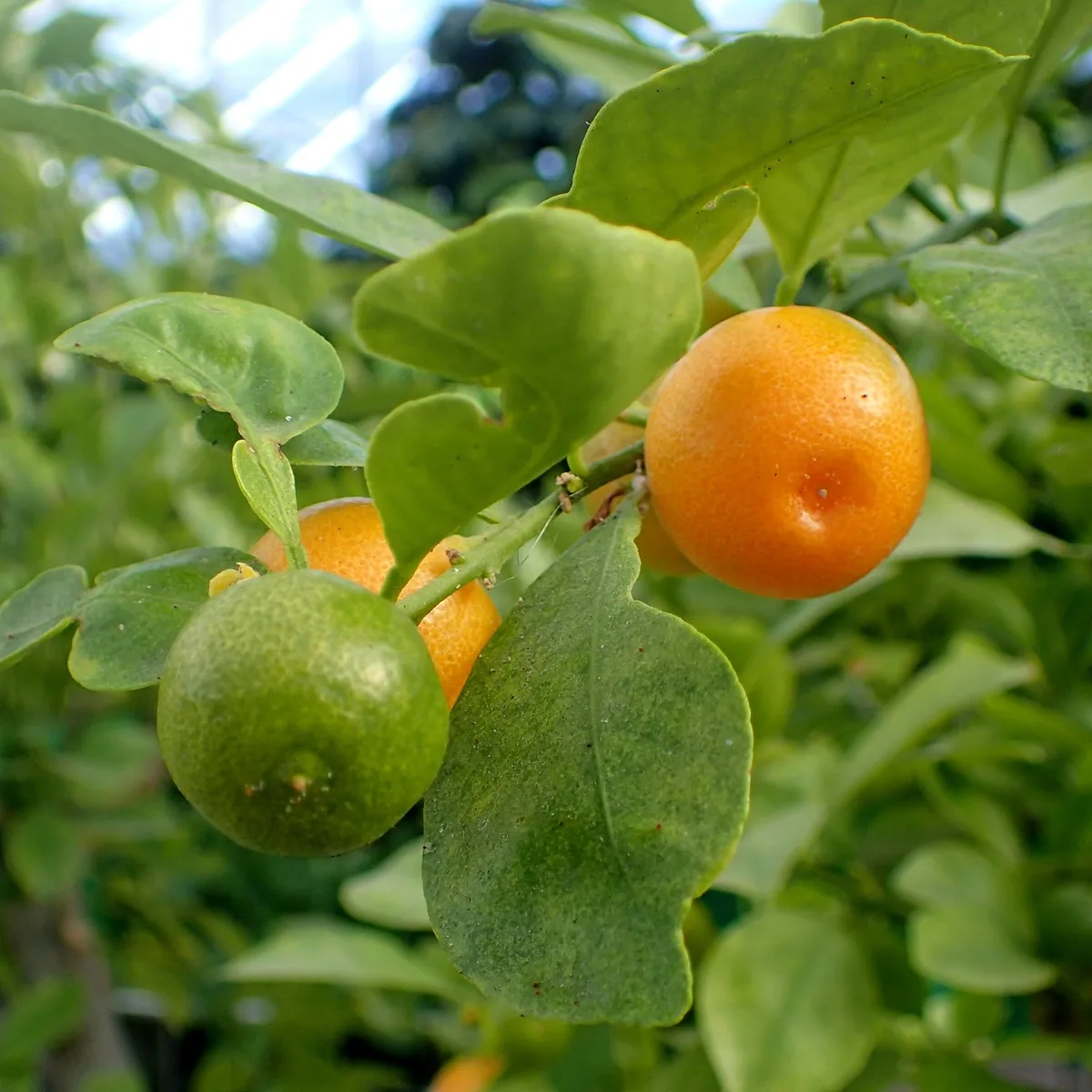
| Care difficulty | 3 / 5 |
|---|---|
| Watering schedule | Water thoroughly when soil surface feels dry, allow to dry slightly between watering |
| Sunlight requirements | Full sun · Partial shade |
| Ideal temperature | 15 – 25 °C |
| Soil type | Loam · Sand |
| Soil pH | Acid · Neutral |
| Soil moisture | Moist but well drained |
| Fertilizing | Every 2 weeks with citrus-specific fertilizer during growing season |
| Toxicity | Non-toxic. The fruit is edible when ripe, though sour. |
How to Water Calamondin Orange?
Calamansi is a plant that thrives in high humidity environments, often found in tropical rainforests. It prefers a balance of moisture and dryness, with a moderate drought tolerance. This species requires watering once every 1-2 weeks to maintain its water content. As an evergreen plant, calamansi retains its leaves year-round, requiring consistent watering even during the cooler months to support this continuous growth cycle.
Learn more →What Are the Sunlight Requirements for Calamondin Orange?
Calamansi thrives best in full sunlight conditions, requiring at least 6 to 8 hours of direct sun daily to foster robust growth and fruitful production. While calamansi can tolerate partial sun, deviations from full sunlight exposure may lead to reduced yield and diminished vitality. The plant exhibits adaptive traits such as slightly altering leaf orientation to maximize light absorption in less-than-ideal lighting. Ideally planted outdoors, calamansi should be positioned in locations that receive uninterrupted sunlight to optimize their health and productivity.
Learn more →What Is the Ideal Temperature Range for Calamondin Orange?

Calamansi demonstrates impressive resilience, tolerating a range of temperatures from 5℃ (41℉) to 43℃ (109℉). However, it's sensitive to extreme cold, showing signs like leaf drop and branch dieback if temperatures fall below 5℃. In extreme heat, dehydration and leaf wilting may occur. During cold snaps, protective measures like mulching or moving indoors are crucial. In hot conditions, ample watering and shading help mitigate stress. Calamansi's temperature tolerance makes it versatile for varied climates, provided care is taken during extreme weather.
Learn more →What Soil Is Best for Calamondin Orange?
Calamansi prefers well-drained soil to prevent water-logging. Use a mix of garden soil, sand, and organic compost in equal parts for proper aeration. Ensure good drainage by adding pebbles or perlite at the bottom of the pot. Enhance growth with a balanced citrus-specific fertilizer once a month during the growing season. Avoid over-watering, maintaining consistent moisture without water-logging.
- Soil type
- Loam · Sand
- Soil pH
- Acid · Neutral
What Are the Moisture Requirements for Calamondin Orange?
Moist but well drained
Learn more →How to Fertilize Calamondin Orange?

For optimal growth and fruiting, calamansi thrives with fertilization using high-phosphorus fertilizers, to encourage blooming, as well as balanced nutrition fertilizers for overall health. During active growth in spring and summer, fertilize every 4-6 weeks; reduce to every 6-8 weeks in fall and winter. Apply a quarter cup of fertilizer per young tree, increasing quantity for mature trees. Excessive use risks root burn, so follow specific dosages. Fertilization needs lessen as calamansi matures. Use a gentle hand and consistent approach to nourish calamansi, bolstering resistance to diseases and pests.
Learn more →How to Prune Calamondin Orange?

Characterized by small, fragrant fruits, calamansi thrives with regular pruning. Key techniques include removing dead or diseased branches, thinning crowded areas, and shaping the plant to maintain good air circulation. Prune in early to late winter after the fruiting season. Regular pruning promotes healthier growth, better fruit production, and reduces pest infestations. Ensure cuts are clean and angled to prevent water accumulation and disease.
Learn more →How to Propagate Calamondin Orange?

Calamansi is a small tropical fruit tree noted for its round, green to yellow fruits, rich in vitamin C and native to the Philippines. This species thrives in full sunlight and well-drained soil, adapting well to a variety of growing conditions. For propagation, stem cuttings are the most effective, ensuring a genetic clone of the parent. Cut a healthy stem, apply rooting hormone, and plant in a mixture of peat and perlite. Keep the substrate moist and provide indirect light until new growth signifies rooting.
Learn more →How to Transplant Calamondin Orange?
The optimal time to transplant calamansi is in the rejuvenating period between early to late spring, when the weather promotes vigorous growth. Ensure a sunny location with well-draining soil. Gentle handling of roots during the process is crucial for successful establishment.
Learn more →How to Plant Calamondin Orange?
It's best to plant calamansi in early spring, so it has enough time to get established and withstanding cold winter temperatures. When you buy calamansi at your local nursery, choose trees 4-5 years old, which are more likely to survive, adapt to the new environment, and grow better. Choose a sunny spot for it, and dig a hole as deep as the height of the root ball, and twice as wide. The surface of the soil should be level with the crown. Compact the soil after planting, and water deeply.
Learn more →How to Repot Calamondin Orange?
Repot calamansi, a small citrus bush, every 2-3 years to encourage healthy growth. Best done in spring as it prepares for its growth cycle. Choose a pot 2-3 inches larger in diameter to accommodate root development. Post-repotting, ensure calamansi has well-draining soil and regular watering. Monitor for shock and adjust care as needed for a robust recovery.
Learn more →Common Pests & Diseases

Diseases
Susceptible to root rot in waterlogged conditions, citrus canker, and greasy spot. Ensure good drainage and avoid overhead watering to minimize risks.
Pests
Common pests include aphids, spider mites, scale insects, and mealybugs. Inspect regularly and treat with insecticidal soap or neem oil if infestation occurs.
Explore the plant health library →Troubleshooting
Indoor Winter Leaf Drop or Yellowing Foliage
Calamondin Orange (Citrus microcarpa) depends on full sun, well-drained fertile soil, and steady moisture during active growth and harvest development.
| What you notice | Possible explanation | What to check next |
|---|---|---|
| Green or yellowing leaves drop indoors during winter near cold windows or dry heaters | Low indoor winter humidity, cold drafts, or root stress from wet cool soil | Check pot drainage and proximity to heating vents or cold windows |
| New leaves turn yellow between green veins in alkaline water or soil | Iron or micronutrient chlorosis typical of container Citrus | Check irrigation water alkalinity and citrus fertilizer micronutrients |
- Keep Citrus microcarpa in bright light away from cold drafts and heating vents in winter, watering thoroughly only when the top inch of well-drained mix feels dry.
- Water at the base of plants early in the day rather than wetting foliage overhead to reduce fungal diseases.
- Feed during spring and summer active growth with a balanced citrus fertilizer containing trace elements, reducing feeding in winter.
Inspect stems and leaf undersides regularly when grown indoors, as scale insects and spider mites thrive in warm, dry indoor rooms.
Sap-Sucking Pests, Beetles, or Slugs
Edible crops and fruiting plants attract aphids, spider mites, scale, beetles, or slugs during warm growth.
| What you notice | Possible explanation | What to check next |
|---|---|---|
| Curled new shoots, sticky honeydew, or fine webbing on leaf undersides | Aphids, spider mites, whiteflies, or scale insects | Inspect growing tips and leaf undersides closely |
| Chewed leaves or young shoots near soil level | Slugs, snails, leaf beetles, or caterpillars | Inspect foliage and soil surface early in the morning |
- Rinse aphids and spider mites off sturdy foliage with a firm spray of water, and hand-pick beetles or slugs.
- Encourage beneficial predators and keep garden beds free of decaying plant debris.
- If needed, apply food-crop-approved insecticidal soap or horticultural oil strictly according to label directions and pre-harvest intervals.
Always wash harvested fruits, herbs, and vegetables thoroughly before eating, and avoid spraying open blossoms.
The Toxicity of Calamondin Orange
Non-toxic. The fruit is edible when ripe, though sour.