



Planting and Growing rainbow cactus

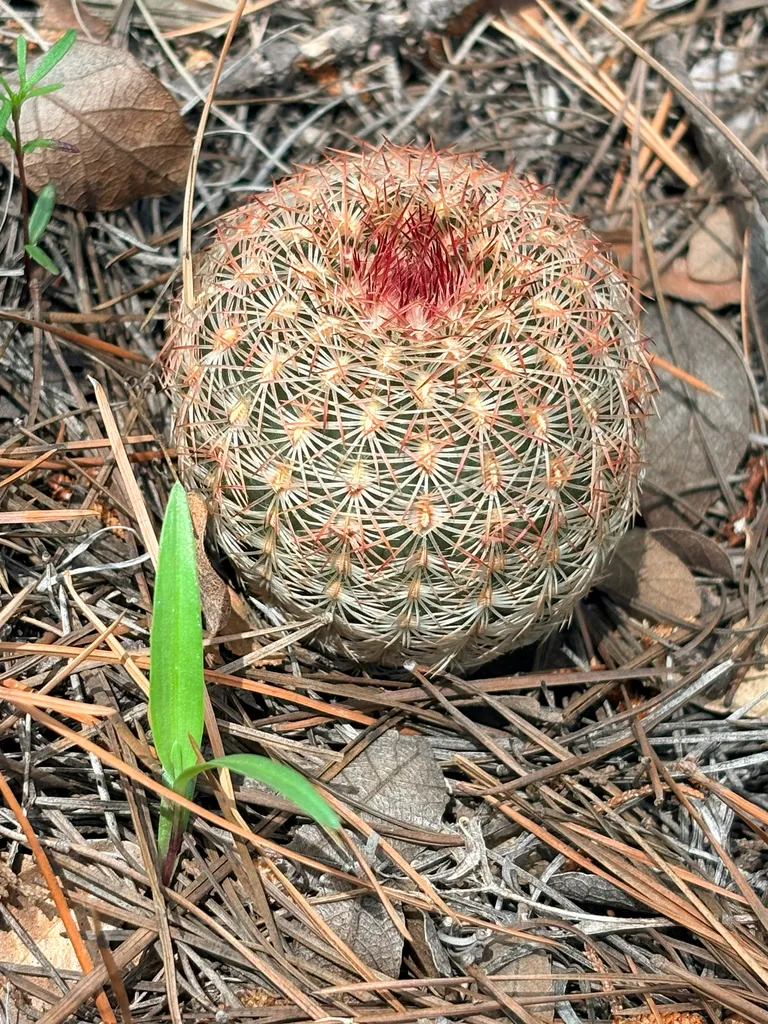
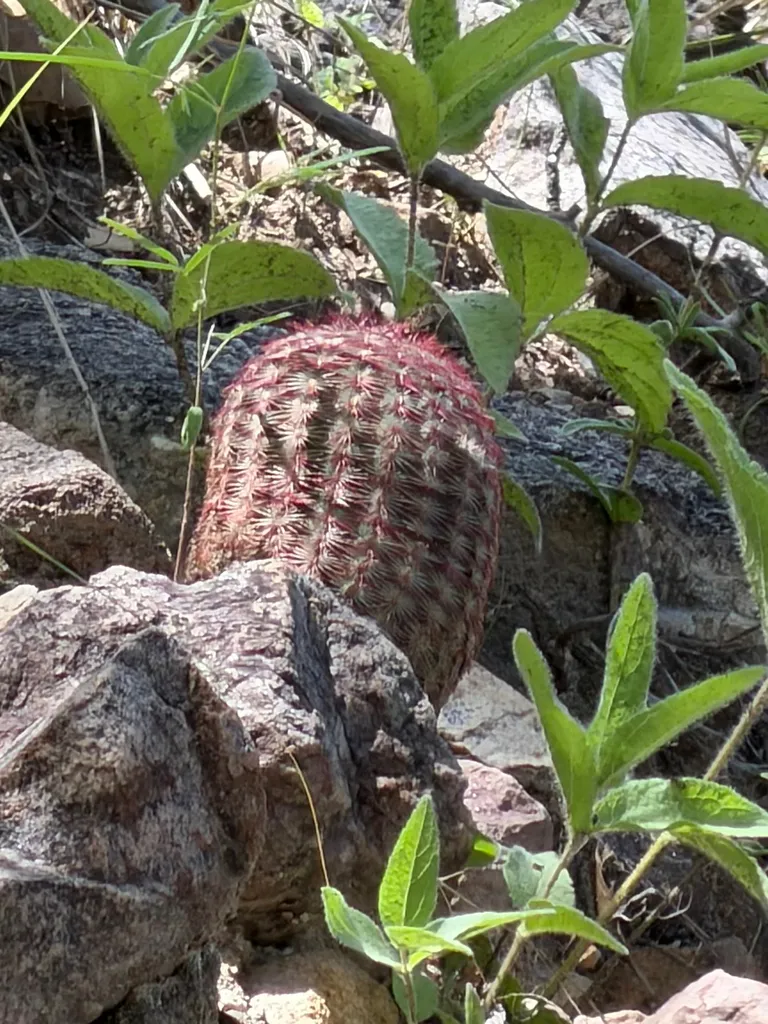
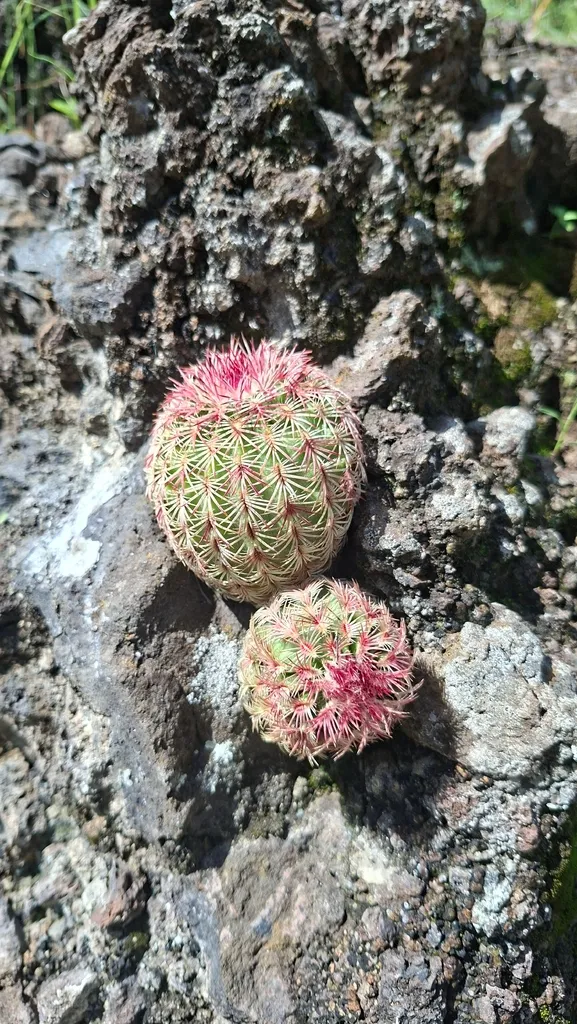
| Care difficulty | 3 / 5 |
|---|---|
| Watering schedule | Deep watering only after full dryness, keeping roots drier in cool weather |
| Sunlight requirements | Full sun |
| Ideal temperature | 18 – 28 °C |
| Soil type | Sand · Loam |
| Soil pH | Acid · Alkaline · Neutral |
| Soil moisture | Well drained |
| Fertilizing | Very weak cactus fertilizer monthly during warm active growth |
| Toxicity | Information to be completed |
How to Water rainbow cactus?
Adapted to arid environments, rainbow hedgehog cactus thrives with minimal moisture, exhibiting high drought tolerance. In its native habitat, it is accustomed to infrequent rainfalls, making it well-suited for water-wise gardens. Watering should be sparse, aligning with the plant's natural cycle—once every three weeks suffices. Typically grown outdoors due to its need for full sun and heat tolerance, rainbow hedgehog cactus exemplifies resilience in dry conditions and is an excellent candidate for rockeries or desert landscaping where water conservation is prioritized.
Learn more →What Are the Sunlight Requirements for rainbow cactus?
Rainbow hedgehog cactus thrives under full sun, requiring intense light for robust growth and vibrant flowering. The plant is typically sun-loving and does well outdoors, often seeking the brightest spaces available. Its tolerance for shade is limited, and insufficient light may lead to weak stems and sparse flowering. Adaptively, rainbow hedgehog cactus may exhibit color intensification as a response to high light exposure, which is linked to the attractiveness of its spines. For indoor cultivation, placing rainbow hedgehog cactus near a south-facing window ensures ample sunlight. Outdoors, rainbow hedgehog cactus should be positioned in areas that receive unobstructed sunlight for the major part of the day to maintain its health and flowering potential.
Learn more →What Is the Ideal Temperature Range for rainbow cactus?

Rainbow hedgehog cactus demonstrates impressive temperature resilience, tolerating ranges between 0℃ (32℉) and 43℃ (109℉). It adapts well to both cold and heat, making it versatile for different climates. However, protective measures are essential; use frost blankets or shade cloths during extreme cold or heat. Symptoms of stress include discoloration in extreme heat and soft/tissue damage in cold. Countermeasures for overheating include relocating to a shadier area and providing water, while for overcooling, bring indoors or apply frost protection. Overall, rainbow hedgehog cactus is a hardy plant but requires minimal intervention under extreme conditions.
Learn more →What Soil Is Best for rainbow cactus?
Rainbow hedgehog cactus thrives in well-draining soil; excessive moisture can be detrimental. A mix of 2 parts succulent & cactus mix with 1 part perlite or pumice enhances aeration. If cactus mix is unavailable, blend equal parts sand, potting soil, and perlite. Ensure pots have drainage holes. Periodic addition of low-nitrogen fertilizer supports growth, applied during active growing seasons.
- Soil type
- Sand · Loam
- Soil pH
- Acid · Alkaline · Neutral
What Are the Moisture Requirements for rainbow cactus?
Well drained
Learn more →How to Fertilize rainbow cactus?

For robust growth and vibrant spination, fertilize rainbow hedgehog cactus in spring-early summer with a cacti-specific blend, diluted to half strength. Monthly applications suffice; avoid over-fertilizing to prevent root burn. Seasonal variation matters: cease fertilization in late summer to respect dormancy. Measure accurately and follow the label; overzealousness can damage rainbow hedgehog cactus. Always water before feeding to aid uptake and reduce root stress. This balanced approach encourages flowering and health in rainbow hedgehog cactus without compromising its natural hardiness.
Learn more →How to Prune rainbow cactus?

Rainbow hedgehog cactus does not require much pruning. Remove withered flowers and branches so the plant uses nutrients on healthy growth.
Learn more →How to Propagate rainbow cactus?

Rainbow hedgehog cactus is recognized for its vibrant, multicolored spines, making it a sought-after succulent. To propagate rainbow hedgehog cactus, seeds should be sown in well-draining soil mix, typical for cacti. Carefully moisten the medium without overwatering to prevent rot. Ensure a warm, controlled environment to support germination. Once seedlings emerge, gradually acclimate them to typical growing conditions, fostering resilience while minimizing shock. Grafting is an option, although it's less common for rainbow hedgehog cactus.
Learn more →How to Transplant rainbow cactus?
For rainbow hedgehog cactus, the most opportune time for transplanting is the heart of spring, as moderate temperatures support root establishment. Choose a site offering full sun and well-draining soil. Gently acclimate rainbow hedgehog cactus to its new environment to ensure optimal growth.
Learn more →How to Plant rainbow cactus?
Sow, plant, or repot in spring or fall when the temperature is 15 to 20 ℃ . Keep air humidity high when seeding. Use plastic film to cover the soil and remove it after the seeds germinate. Use permeable clay flowerpots for potted plants. Too large a flowerpot accumulates water easily, while too small a flowerpot limits the development of roots. Before planting, expose soil to blazing sunlight and disinfect to kill pathogens. If planted in the garden, rainbow hedgehog cactus prefers an area with full sun and loose soil. Remove all weeds and replace the soil if needed to ensure good water permeability and avoid root rot. Wear gloves or use tongs when planting to prevent your fingers from getting pricked. You can also wrap the plant in a towel to help you move it.
Learn more →How to Repot rainbow cactus?
For rainbow hedgehog cactus, a small, rotund cactus, repot every 2-3 years in spring for optimal health. Choose a pot slightly larger than its current size to support its growth. Post-repotting, place rainbow hedgehog cactus in bright, indirect light and water sparingly to encourage recovery. This unique cactus with vibrant, ribbed stems requires well-draining soil to prevent root rot. Ensure the repotting process is gentle, as rainbow hedgehog cactus is delicate.
Learn more →How to Harvest rainbow cactus?

Most fruits of rainbow hedgehog cactus are edible. Pick the fruit when they turn red. Avoid food safety issues by confirming the species with experts. Wear gloves or use scissors and other tools to harvest.
Learn more →Common Pests & Diseases

Diseases
May be susceptible to root rot if over-watered
Pests
May be susceptible to mealybug, scale insect and aphid
Explore the plant health library →Troubleshooting
Soft Basal Rot or Splitting Leaves vs. Wrinkled Dehydration
rainbow cactus (Echinocereus rigidissimus) stores water in fleshy leaves or stems and depends on sharply drained mineral compost; excess moisture in cool or dormant periods quickly causes rot or split tissues.
| What you notice | Possible explanation | What to check next |
|---|---|---|
| Base of stem or lower leaves turns dark brown/black, soft, and translucent while soil stays damp | Root or stem rot from overwatering, heavy compost, or watering during dormancy | Check pot drainage holes, inspect lower soil wetness, and test base firmness gently |
| Fleshy leaves or stems look wrinkled, deflated, or limp while gritty soil is bone dry during active growth | Underwatering as the plant draws on stored tissue moisture | Check deep soil dryness and confirm seasonal growth activity |
- Pot in a sharply drained cactus/succulent compost (amended with pumice, coarse sand, grit, or perlite) in a container with open drainage holes.
- Follow seasonal moisture cues: Deep watering only after full dryness, keeping roots drier in cool weather.
- If rot develops at the base, cut away healthy upper stems or offsets with a sterilized blade, let cut ends dry and callous for several days, and root in fresh gritty mix.
Stop watering immediately if soft black rot spreads from the base, and discard rotted tissues and wet old soil.
Etiolated Growth or Mealybugs, Scale, and Spider Mites
Insufficient direct sunlight stretches new growth and dulls natural coloration in rainbow cactus (Echinocereus rigidissimus), while mealybugs, root mealybugs, and scale often shelter in leaf axils or roots.
| What you notice | Possible explanation | What to check next |
|---|---|---|
| New growth stretches pale green with wide internodes instead of staying compact and richly colored | Insufficient bright light | Evaluate daily hours of direct or bright filtered light at the current site |
| White cottony tufts, sticky honeydew, or hard brown bumps along stems, leaf bases, or roots | Sap-sucking pests (May be susceptible to mealybug, scale insect and aphid) | Inspect stem junctions, leaf undersides, and the soil line closely |
- Acclimate gradually to full sun so new growth develops compact form and natural coloration without sudden sunburn.
- Isolate infested plants and dab visible mealybugs or scale with rubbing alcohol on a cotton swab, or apply insecticidal soap per label directions.
- Protect frost-tender plants indoors or under cover before freezing weather arrives.
Already stretched stems will not shrink back, though compact healthy growth will resume once bright light is restored.