
rainbow cactus
Also known as: Information to be completed
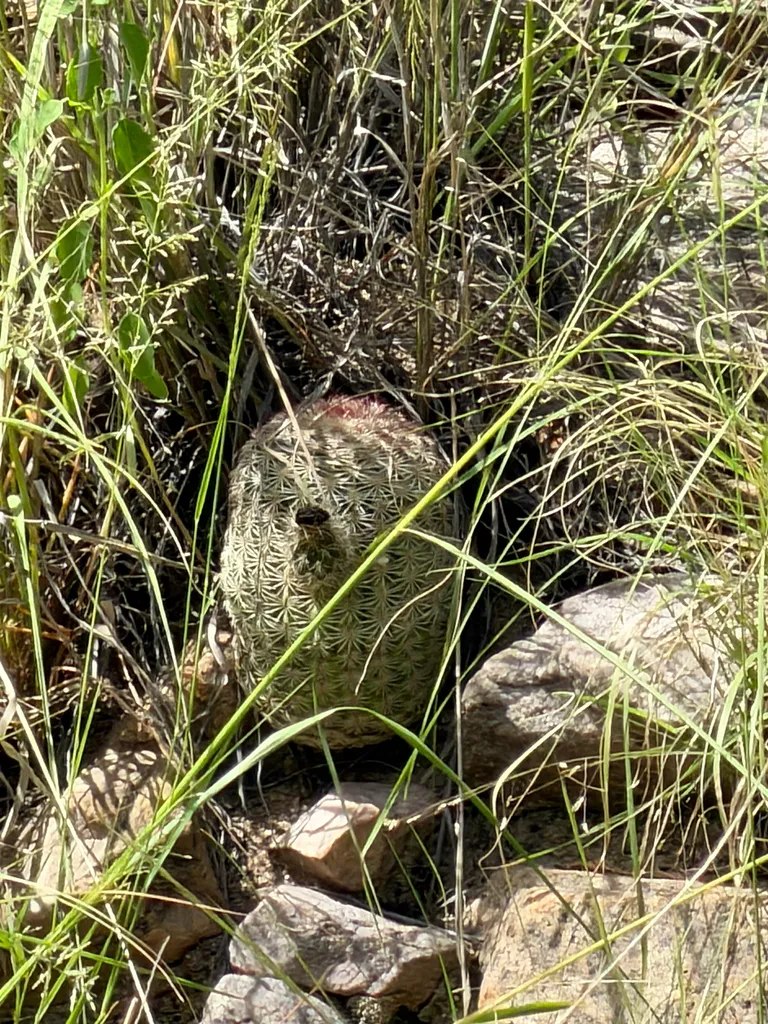
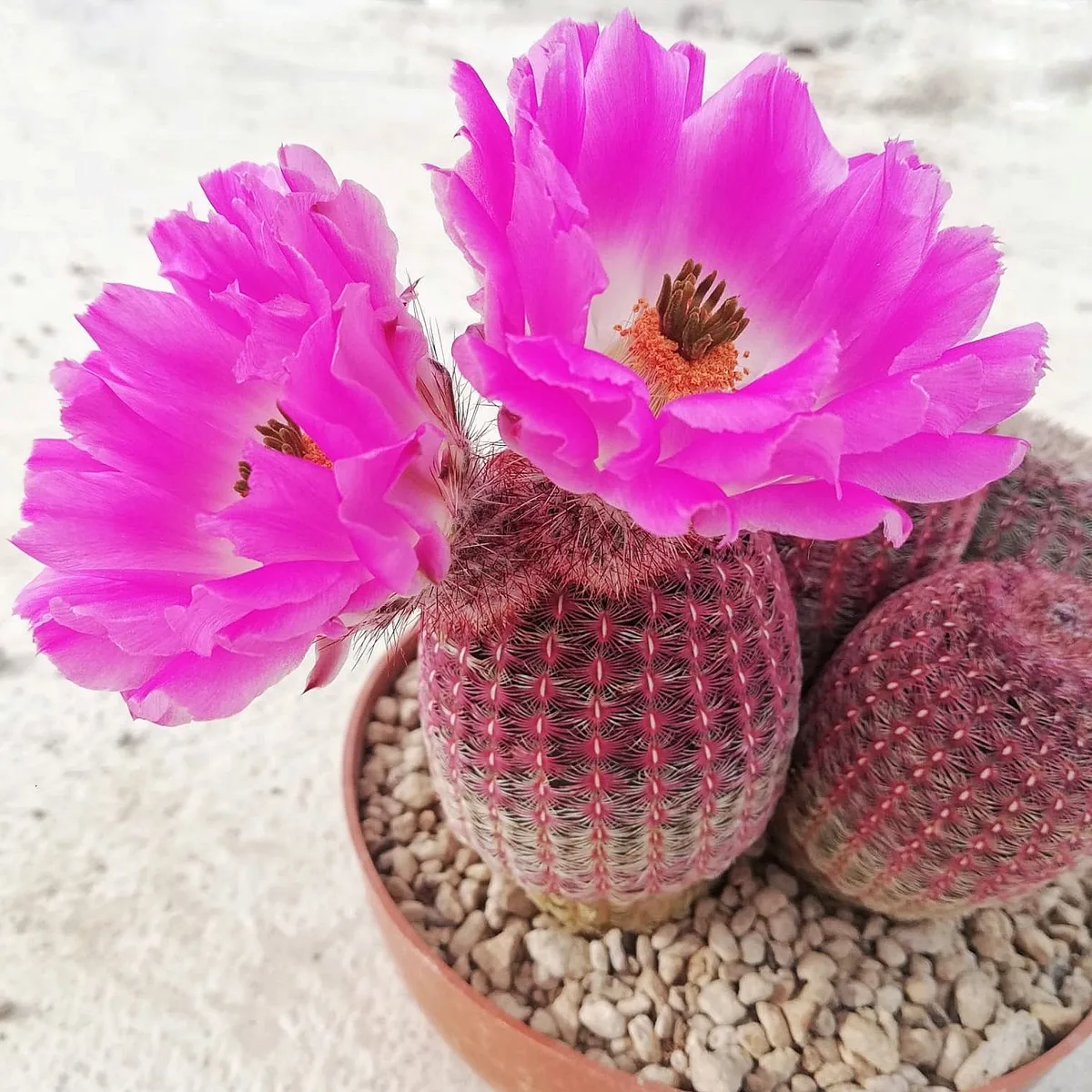
A solitary, evergreen cactus with radial spines curved slightly toward the stem. New spines are reddish-pink, fading to yellow or light pink when mature. Bright pink flowers with a white throat appear in Spring, borne atop the plant from younger aeroles
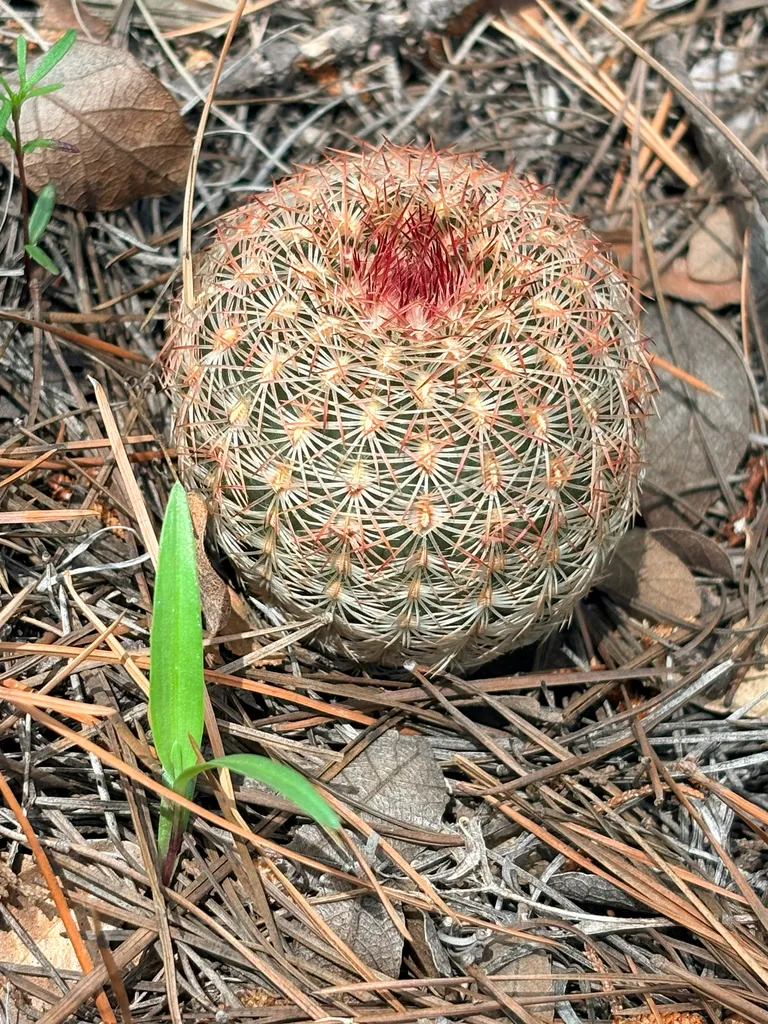
Scientific classification
- Species
- rainbow cactus (Echinocereus rigidissimus)
- Genus
- Echinocereus
- Family
- Cactaceae
- Order
- Caryophyllales
- Class
- Magnoliopsida
- Phylum
- Magnoliophyta
- Information to be completed
- Toxicity
- Cactus Succulent
- Plant type
- 0.1-0.5 metres
- Height
- 0.1-0.5 metres
- Spread
- Evergreen
- Foliage
- Columnar upright
- Habit
- Spring · Summer · Autumn · Winter
- Season of interest
- Full sun
- Sunlight
- 18 – 28 °C
- Ideal temperature









rainbow cactus pictures
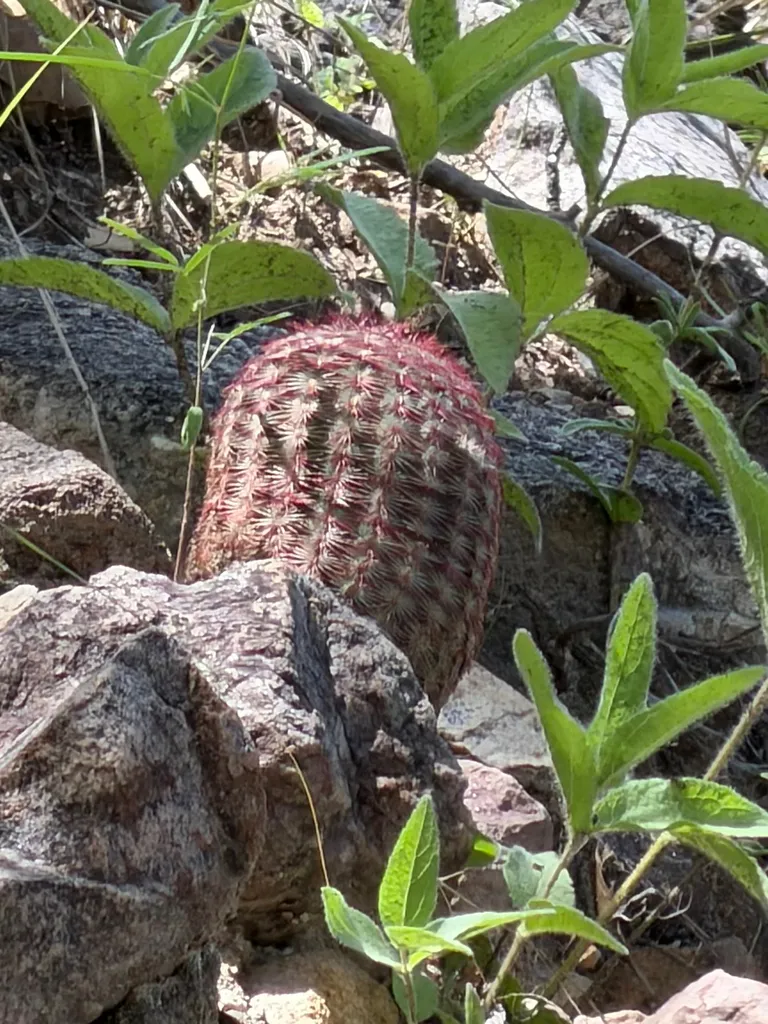
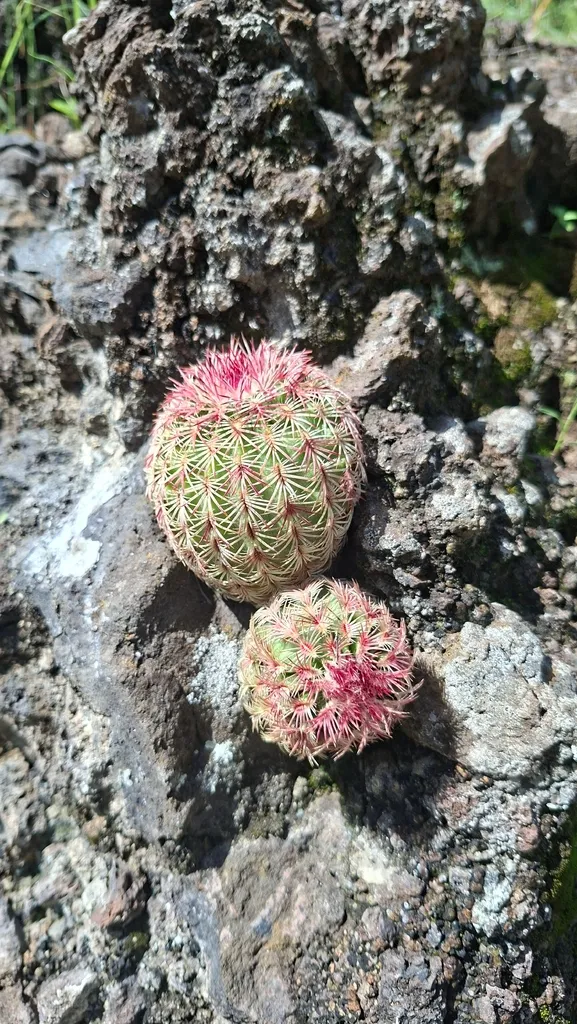
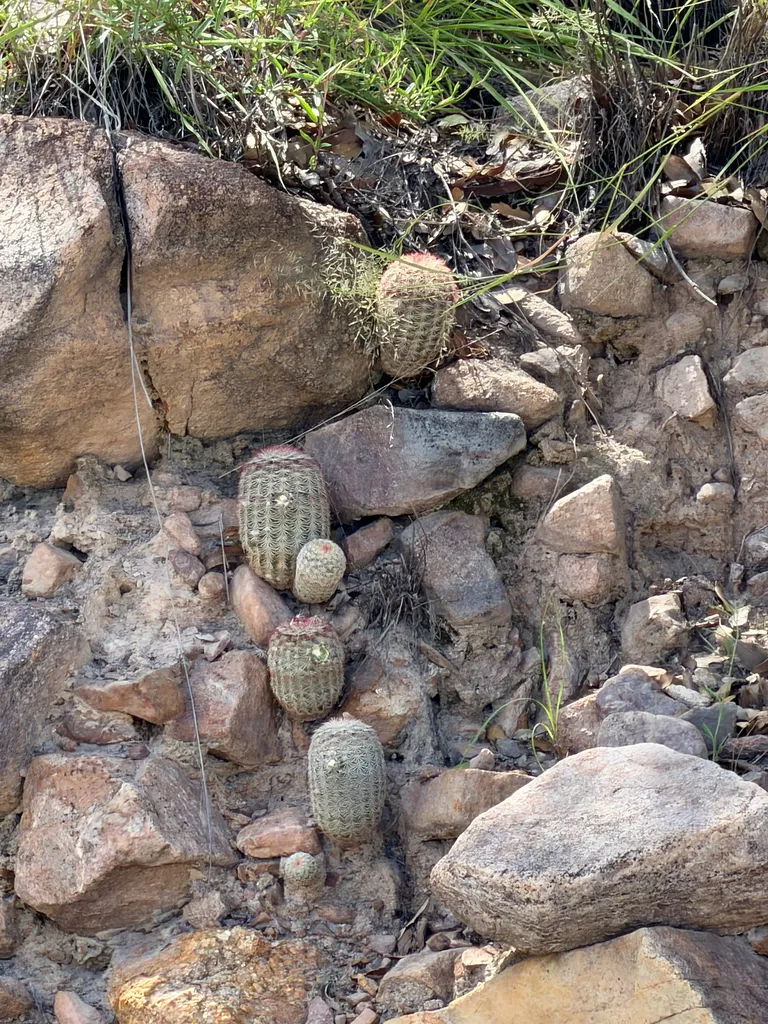
Distribution of rainbow cactus
Distribution map
- Native
- Introduced
- Cultivated
Source:WCVP v16 · Royal Botanic Gardens, Kew · CC BY 3.0 · Boundaries:WGSRPD / TDWG
rainbow cactus care guide
- Deep watering only after full dryness, keeping roots drier in cool weather
- Watering
- Full sun
- Sunlight
- 18 – 28 °C
- Ideal temperature

Watering
Deep watering only after full dryness, keeping roots drier in cool weather
Fertilizing
 Fertilizing
Very weak cactus fertilizer monthly during warm active growth
Pruning
 Pruning
No pruning required
Propagation
 Propagation
Propagate by seed or cuttings from the mother plant
Growing
 Growing
Grow under glass in a loam based, sandy potting compost with added extra grit, in full sun. Water moderately, do not allow roots to sit in water. Do not water at all when dormant. Apply a light balanced liquid fertiliser every 2 or 3 times in the growing season. See houseplant cacti and succulent cultivation
Common pests and diseases
Diseases
May be susceptible to root rot if over-watered
Pests
May be susceptible to mealybug, scale insect and aphid
Explore the plant health library →




