



Planting and Growing common olive

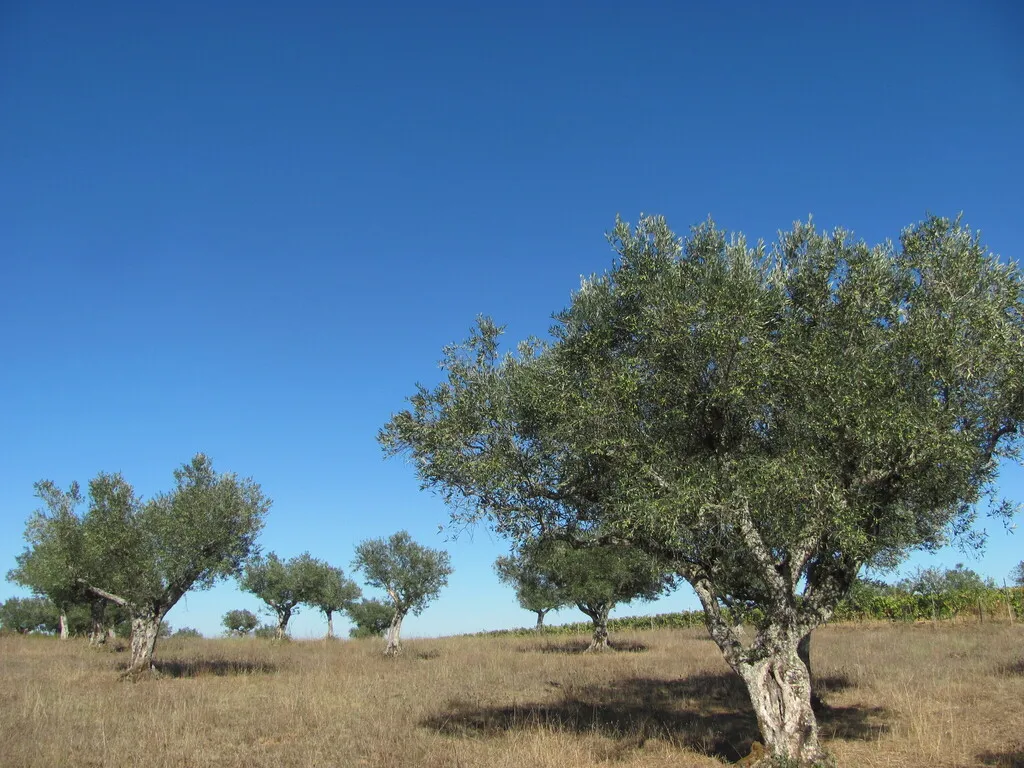
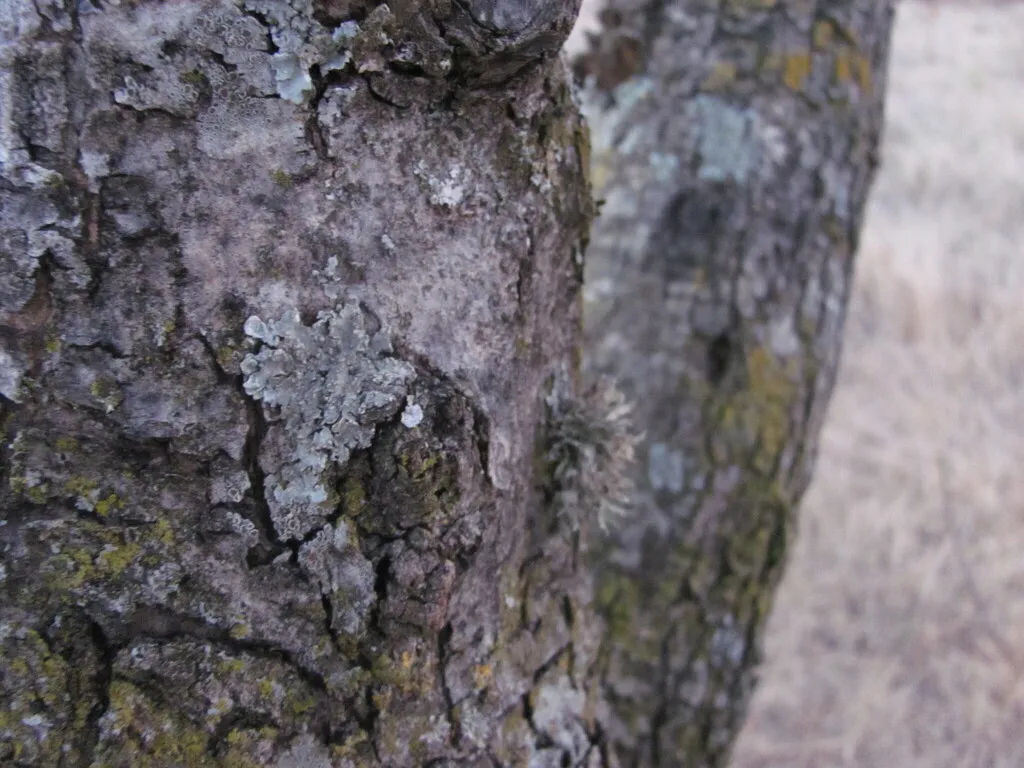
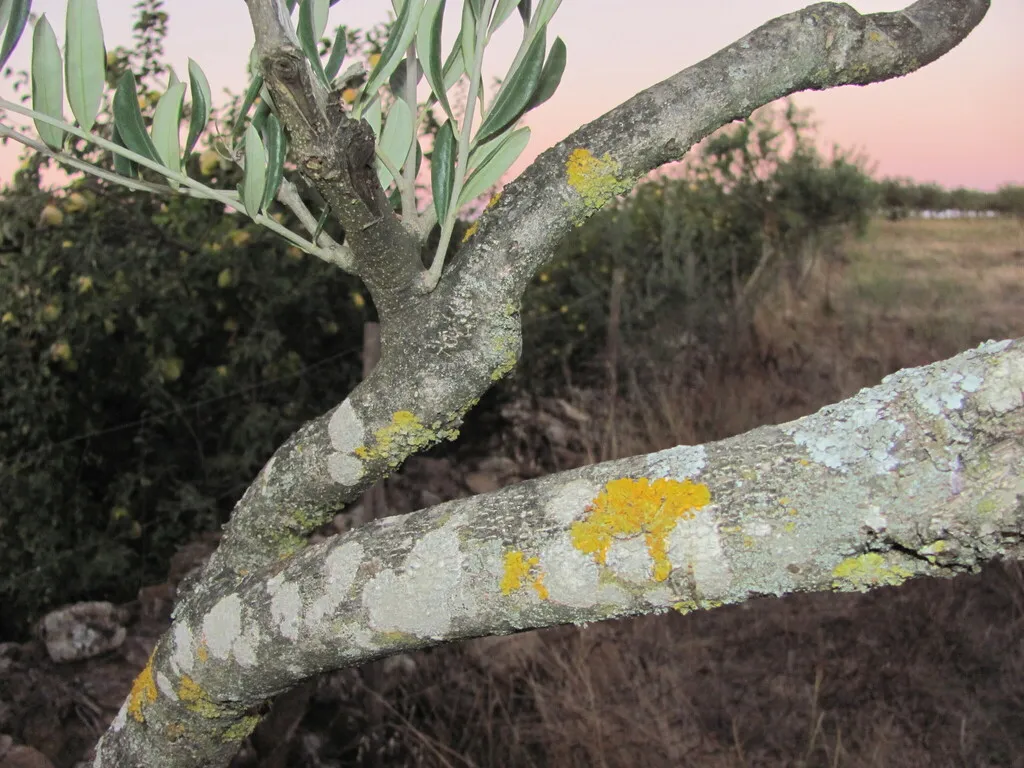
| Care difficulty | 2 / 5 |
|---|---|
| Watering schedule | Moderate regular watering, allowing brief slight drying between soakings |
| Sunlight requirements | Full sun |
| Ideal temperature | 15 – 25 °C |
| Soil type | Chalk · Clay · Loam · Sand |
| Soil pH | Acid · Alkaline · Neutral |
| Soil moisture | Well drained |
| Fertilizing | Balanced perennial feed every four weeks from spring through summer |
| Toxicity | Information to be completed |
How to Water common olive?
Originating from the Mediterranean basin, olive is adapted to periodic droughts and prefers a well-draining soil that mimics its native arid conditions. This species thrives with moderate moisture and has evolved to efficiently utilize water, making it relatively drought-tolerant. Watering should be done once every 1-2 weeks, allowing the soil to dry out between sessions. As an evergreen plant commonly grown outdoors, olive's ability to retain its foliage year-round is indicative of its efficient water usage and resilience in varying climates.
Learn more →What Are the Sunlight Requirements for common olive?
Olive thrives under full sun conditions, benefiting from exposure to bright and direct light for optimum photosynthesis that enhances growth and fruit production. While olive is tolerant of partial sun, reduced light intensity may lead to less vigorous growth and decreased yield. Olive has evolved to regulate its leaf orientation and maintain optimal light absorption, ensuring effective use of available sunlight. Recommended for outdoor cultivation, olive should be planted in locations with minimal obstructions to sunlight exposure, enabling it to maintain robust health and productivity.
Learn more →What Is the Ideal Temperature Range for common olive?

Olive demonstrates a remarkable ability to endure temperature variations, tolerating cold down to -5℃ (23℉) and heat up to 41℃ (106℉). Its resilience to such extremes indicates that while it can survive cold snaps and heatwaves, it requires specific care. During cold conditions, it may exhibit leaf drop or twig die-back, necessitating protective measures like frost cloths. Conversely, extreme heat can cause leaf scorch or slowed growth, making shading or increased watering essential. This tolerance ensures olive is suitable for both temperate and Mediterranean climates but still demands attentive care to thrive.
Learn more →What Soil Is Best for common olive?
The optimum soil for olive would be well-drained fertile soil which is loam-based with a pH value of 5.5-7.5. But, as long as the soil is light without extreme pH, olive will still be able to thrive, even though on the poor soil. Heavy soils are not preferable because they can become soggy and lead to root rot.
- Soil type
- Chalk · Clay · Loam · Sand
- Soil pH
- Acid · Alkaline · Neutral
What Are the Moisture Requirements for common olive?
Well drained
Learn more →How to Fertilize common olive?

For robust growth and fruitful yields, olive thrives with balanced nutrition fertilizers (10-10-10) during establishment and high nitrogen formulation in the pre-flowering stage. Fertilize semi-annually, preferably in spring and autumn, applying 1-2 pounds per young tree or according to label instructions for mature trees. Fertilizing enhances growth, fruit quality, and olive's overall health. Avoid over-fertilization to prevent root burn. Seasonal adjustments ensure nutrient availability aligns with olive's growth cycle. Always water thoroughly after application for effective nutrient absorption.
Learn more →How to Prune common olive?

Olive is an evergreen tree known for its silvery-green leaves and gnarled trunk. Prune in early to late winter to maintain shape, remove dead or diseased wood, and improve air circulation. Focus on thinning inner branches and reducing canopy density. Optimal pruning encourages better fruit production and controls size. Avoid heavy pruning, as it may stress the plant. Regular, light pruning ensures healthier growth and more abundant harvests.
Learn more →How to Propagate common olive?

Olive is commonly propagated through cutting, a method suitable for ensuring genetic consistency. Prepare semi-hardwood cuttings from the current year's growth, ensuring each is a few inches long with several nodes. Dip the base in rooting hormone to promote reliable root development, then plant in well-draining soil. Consistent moisture and warmth support successful root establishment but avoid waterlogging, which is detrimental. A healthy mother plant enhances the success rate of cuttings.
Learn more →How to Transplant common olive?
The perfect time to transplant olive is early to mid-summer, as the plant can settle in warmer weather. Ensure your location has well-draining soil and ample sunlight. When transplanting, handle olive's delicate roots with care to encourage healthy growth.
Learn more →How to Care for common olive in Winter?

Olive thrives in Mediterranean climates, naturally tolerating cool, wet winters. Its resilience to frost varies with maturity and variety; young trees are especially sensitive. Winter care for olive includes ample drainage to prevent waterlogging and potential chill-damage, meticulous pruning, and, for colder regions, appropriate winter protection such as wrap or shelter.
Learn more →How to Plant common olive?
Indoors-potted: Ensure olive has room to grow; regular pruning encourages a compact, lush appearance when confined indoors. Outdoors-potted: In outdoor pots, olive thrives with occasional rotation to ensure even growth on all sides. Outdoors-in the ground: Olive planted in the ground requires minimal care but benefits from strategic placement away from strong winds.
Learn more →How to Repot common olive?
Repot olive every 2-3 years to accommodate its growth; this slow-grower prefers spring, leveraging the active growth phase. Opt for larger pots to allow root expansion. Post-repot, water sparingly until new growth indicates recovery. Use well-draining soil and a sunny spot to keep olive thriving. Remember, patience is key with olive's repotting cycle.
Learn more →How to Harvest common olive?

In general, it takes 2-5 years before olive will begin to bear fruit, for young trees this duration should be at least four years. It prefers a warm climate with a cooler winter (below 10 ℃) to produce fruit. Because of this, the fruit is rarely produced in colder climates, such as Britain, unless kept in a greenhouse with special care. Olive is mostly grown for its useful properties, especially its fruit. In summer, it will bloom tiny white flowers before producing edible green fruits that ripen to darker color according to cultivars. Known as olives, this fruit is harvested in late fall by picking with hands. While some olives are edible rawly, some others require curing first before they are palatable. There are various curing ways, such as soaking them in saltwater for weeks at a time.
Learn more →Common Pests & Diseases

Diseases
High Risk Host for Xylella fastidiosa. May be susceptible to honey fungus (rarely)
Pests
scale insect may be a problem
Explore the plant health library →