
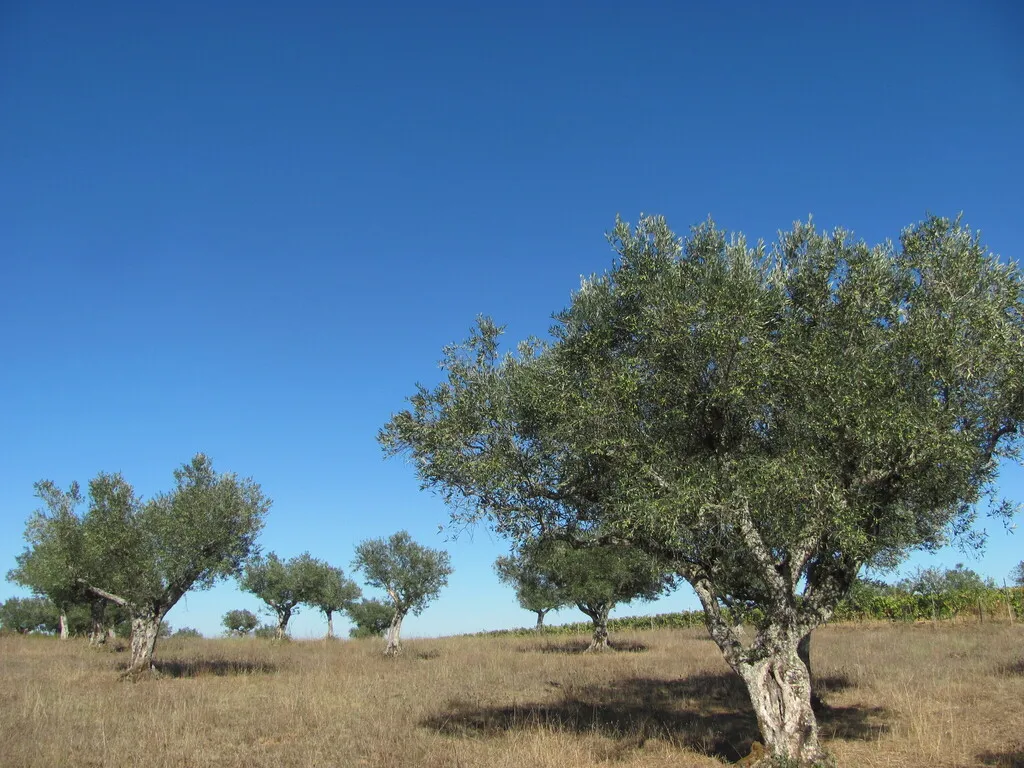



common olive

common olive · Harvest

common olive · Olea europaea
Also known as: cultivated olive; edible olive; European olive; lady's oil; olive oil plant; sweet oil plant

Olive is known for its resilience and low maintenance requirements, making it a suitable choice for gardeners of all levels. A notable aspect of its care includes the necessity for full sun exposure to thrive. Additionally, olive requires well-draining soil to prevent root rot, emphasizing the importance of proper soil selection and pot drainage. Watering should be moderate, allowing the soil to dry out between waterings, which underscores its drought-tolerant nature.

Watering: Moderate regular watering, allowing brief slight drying between soakingsSunlight: Full sunInformation to be completed

How to Harvest common olive?

In general, it takes 2-5 years before olive will begin to bear fruit, for young trees this duration should be at least four years. It prefers a warm climate with a cooler winter (below 10 ℃) to produce fruit. Because of this, the fruit is rarely produced in colder climates, such as Britain, unless kept in a greenhouse with special care. Olive is mostly grown for its useful properties, especially its fruit. In summer, it will bloom tiny white flowers before producing edible green fruits that ripen to darker color according to cultivars. Known as olives, this fruit is harvested in late fall by picking with hands. While some olives are edible rawly, some others require curing first before they are palatable. There are various curing ways, such as soaking them in saltwater for weeks at a time.

PlantCare

Your Ultimate Guide to Plants

Identify, grow and nurture the better way!

PlantCare plant identification and care illustration
PlantCare

Botanist in your pocket

Scan to download PlantCareDownload on the App Store

Scan the QR code with your phone camera to download the app