



Planting and Growing bee orchid

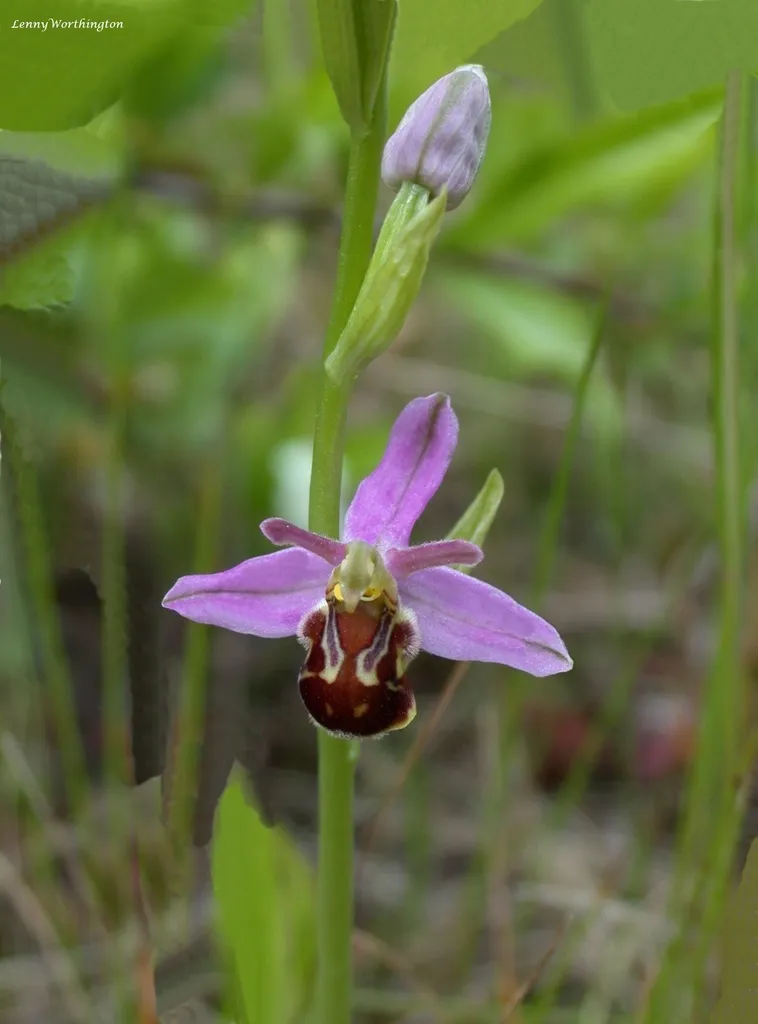
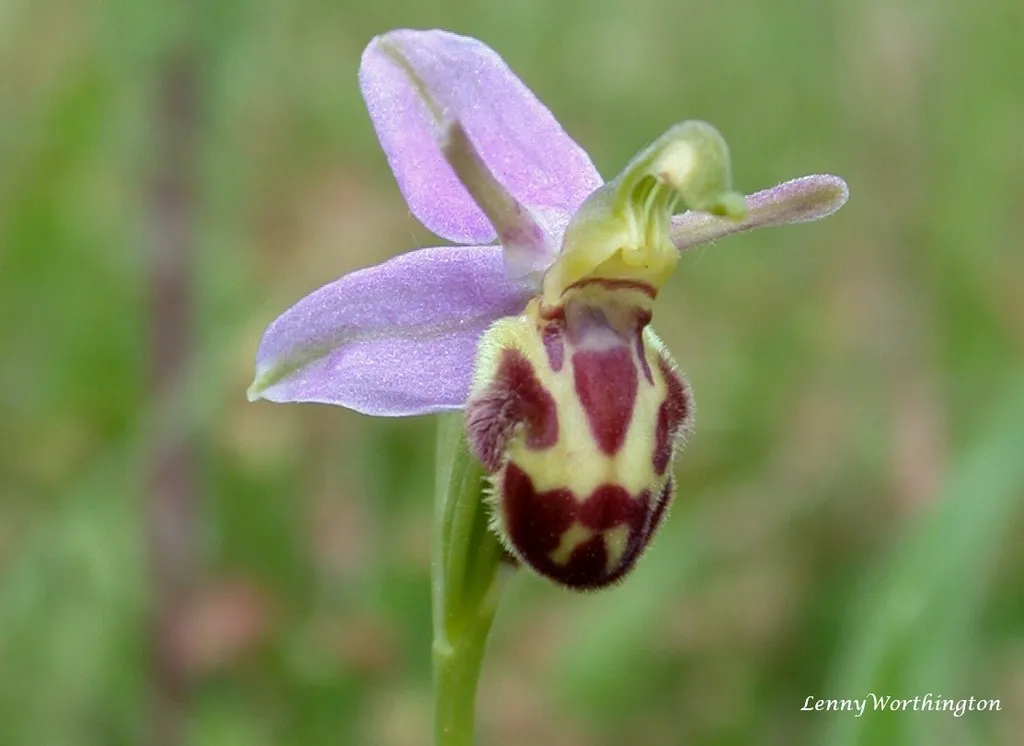
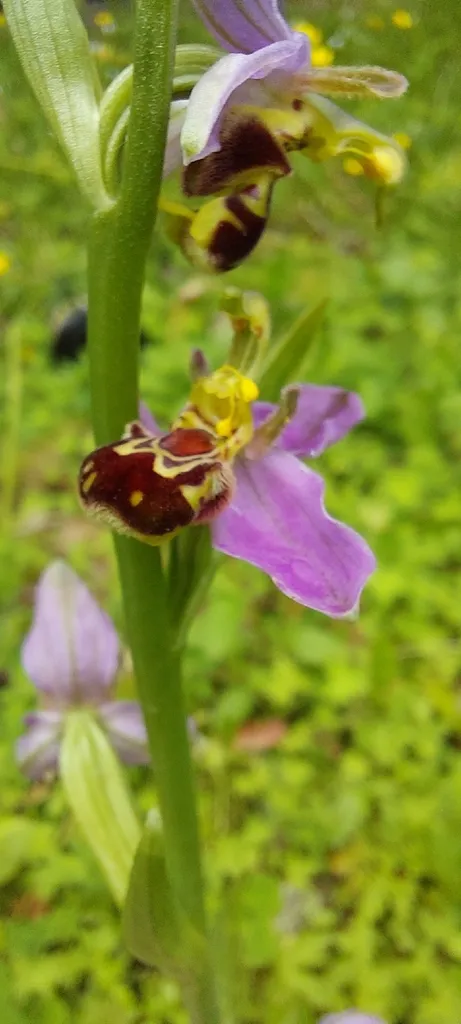
| Care difficulty | 3 / 5 |
|---|---|
| Watering schedule | Mist lightly and water sparingly, mimic natural limestone moisture |
| Sunlight requirements | Partial shade |
| Ideal temperature | Information to be completed |
| Soil type | Chalk · Loam · Sand |
| Soil pH | Alkaline · Neutral |
| Soil moisture | Well drained |
| Fertilizing | No fertilizer needed; extra nutrients damage delicate orchid roots |
| Toxicity | Information to be completed |
How to Water bee orchid?
Mist lightly and water sparingly, mimic natural limestone moisture
Learn more →What Are the Sunlight Requirements for bee orchid?
Partial shade
Learn more →What Is the Ideal Temperature Range for bee orchid?

Information to be completed
Learn more →What Soil Is Best for bee orchid?
- Soil type
- Chalk · Loam · Sand
- Soil pH
- Alkaline · Neutral
What Are the Moisture Requirements for bee orchid?
Well drained
Learn more →How to Fertilize bee orchid?

No fertilizer needed; extra nutrients damage delicate orchid roots
Learn more →How to Prune bee orchid?

Deadhead as flowers fade
Learn more →How to Propagate bee orchid?

Propagate by separating offsets in autumn
Learn more →How to Transplant bee orchid?
Information to be completed
Learn more →How to Care for bee orchid in Winter?

Information to be completed
Learn more →How to Plant bee orchid?
Best in well-drained, gritty, humus-rich, neutral to alkaline soil in partial shade. Plant dormant tubers in autumn, at least 5cm deep. Can be naturalised in fine turf
Learn more →How to Repot bee orchid?
Information to be completed
Learn more →How to Harvest bee orchid?

Information to be completed
Learn more →Common Pests & Diseases

Diseases
Generally disease-free
Pests
May be susceptible to slugs and snails
Explore the plant health library →The Toxicity of bee orchid
Information to be completed