
bee orchid
Also known as: bee flower
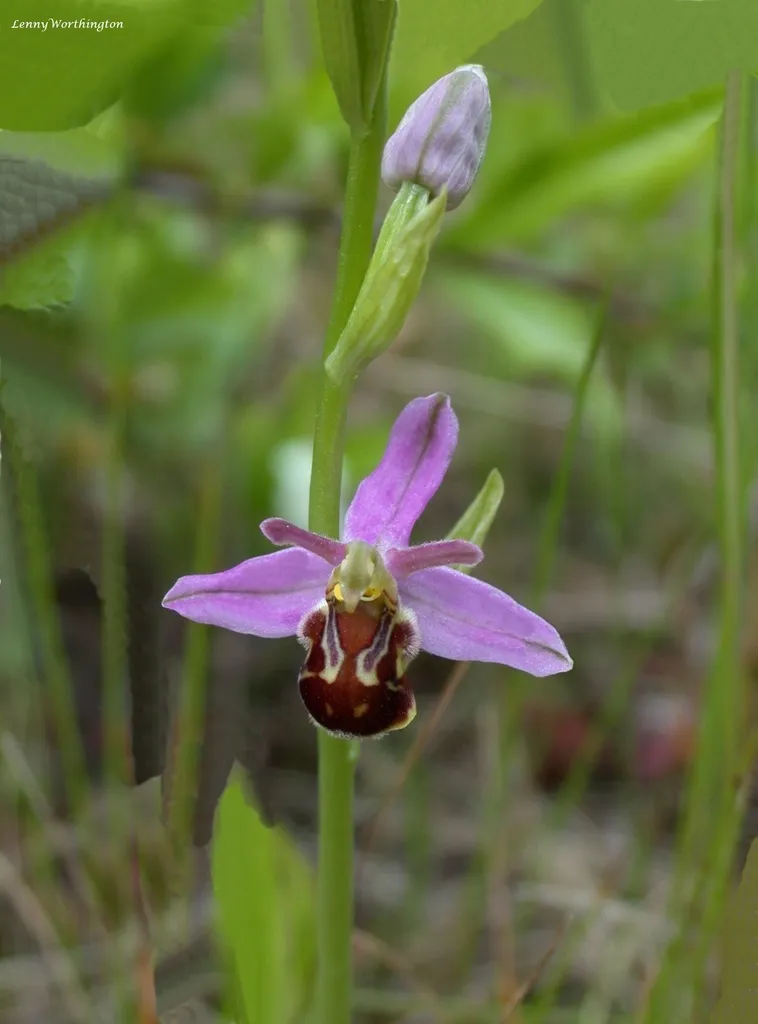
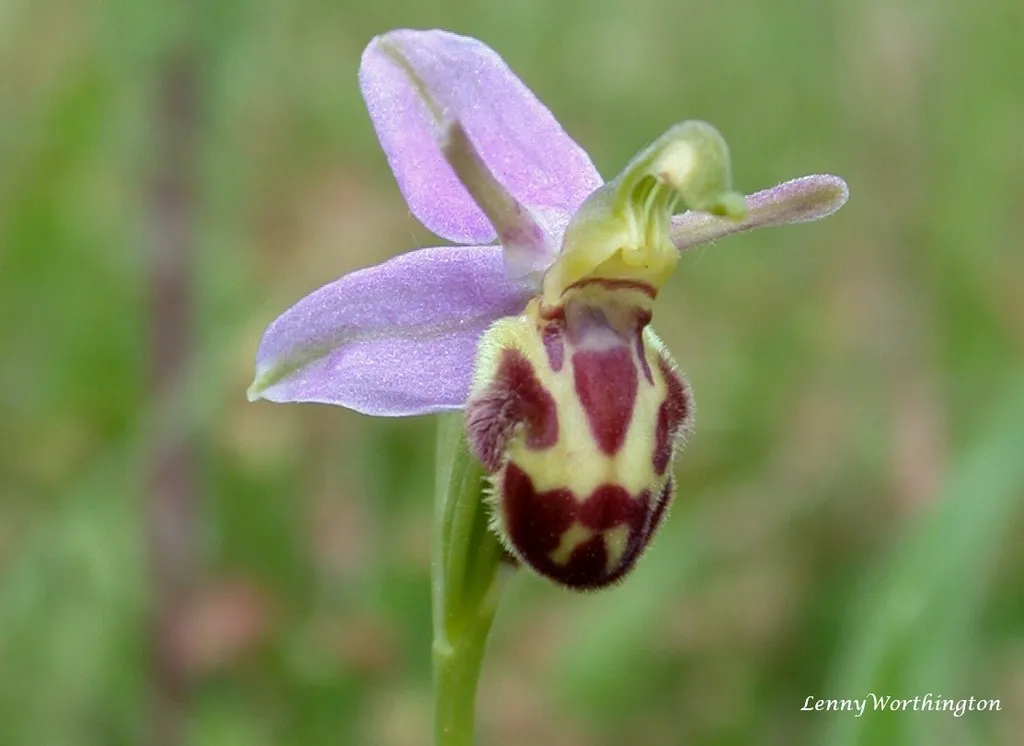
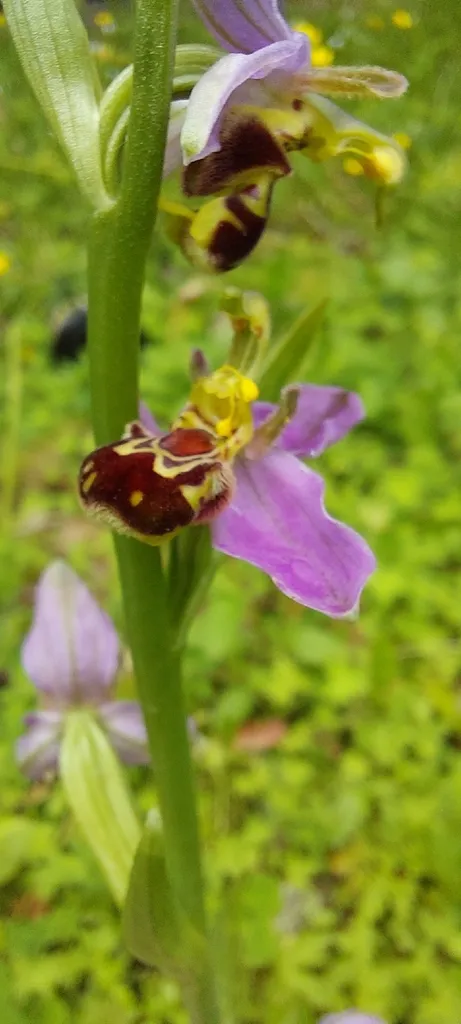
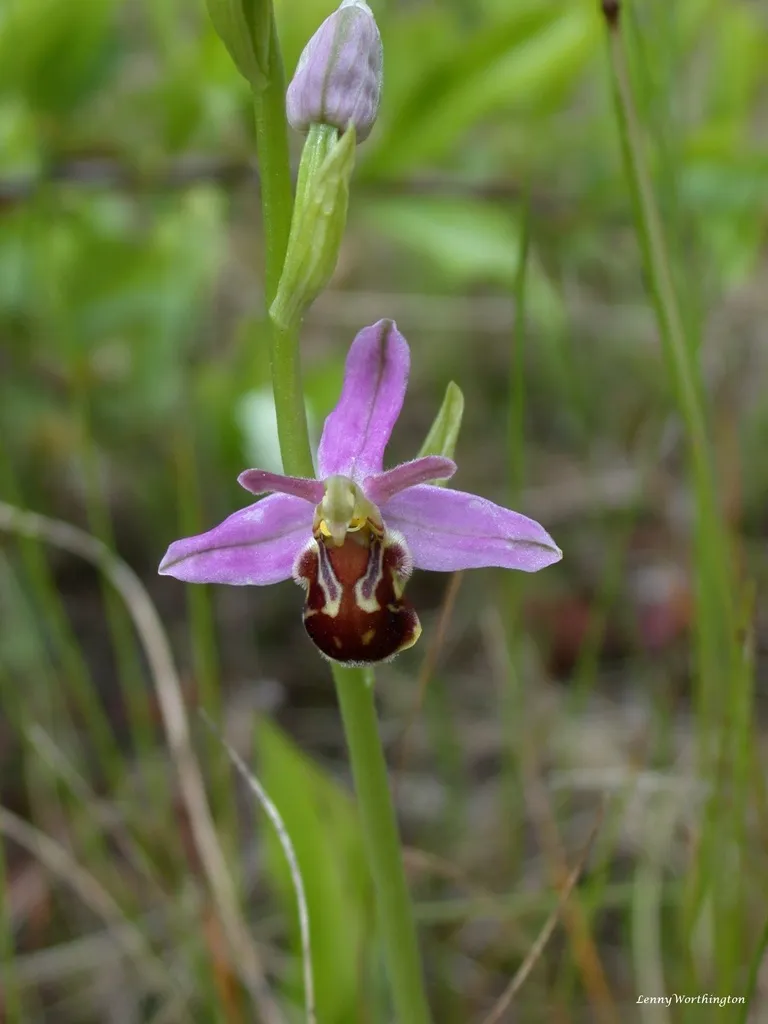
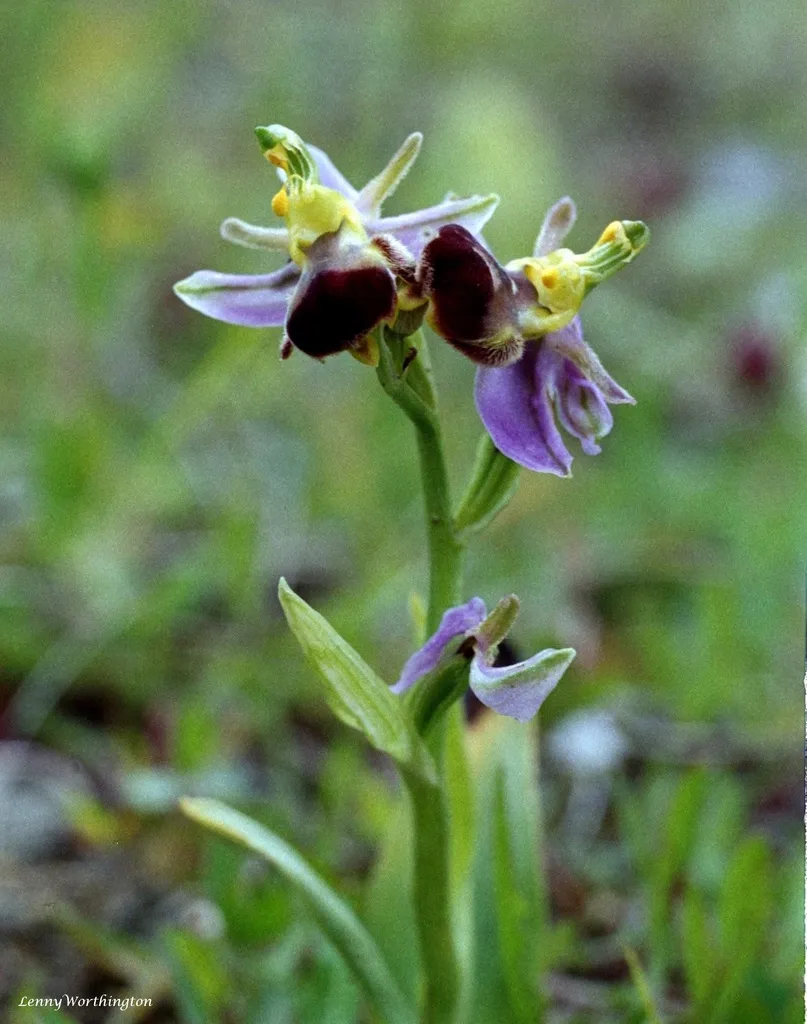
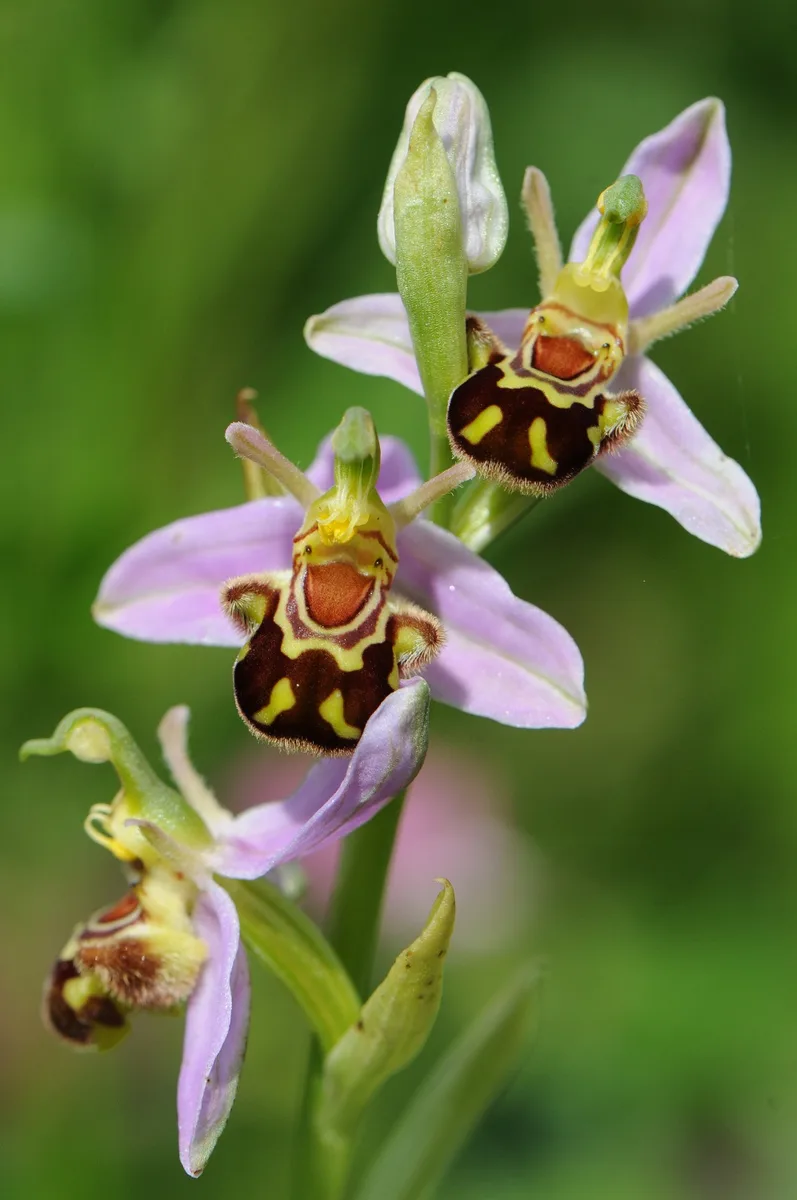
A terrestrial orchid with a rosette of oblong leaves and, in mid spring or early summer, flower spikes to 30cm tall, bearing up to 11 blooms, each up to 2.5cm across, with pale green or pink petals and a brown, velvety lip with yellow markings, resembling a bee
Scientific classification
- Species
- bee orchid (Ophrys apifera)
- Genus
- Ophrys
- Family
- Orchidaceae
- Information to be completed
- Toxicity
- Herbaceous Perennial
- Plant type
- 0.1-0.5 metres
- Height
- 0-0.1 metre
- Spread
- Deciduous
- Foliage
- Columnar upright
- Habit
- Spring · Summer
- Season of interest
- Partial shade
- Sunlight
- Information to be completed
- Ideal temperature









bee orchid pictures
Distribution of bee orchid
Distribution map
Europe, Asia, Africa
Information to be completed
Culture
Information to be completed
Toxicity
Information to be completed
Quick identification of bee orchid
Information to be completed
bee orchid care guide
- Mist lightly and water sparingly, mimic natural limestone moisture
- Watering
- Partial shade
- Sunlight
- Information to be completed
- Ideal temperature

Watering
Mist lightly and water sparingly, mimic natural limestone moisture
Fertilizing
 Fertilizing
No fertilizer needed; extra nutrients damage delicate orchid roots
Pruning
 Pruning
Deadhead as flowers fade
Propagation
 Propagation
Propagate by separating offsets in autumn
Growing
 Growing
Best in well-drained, gritty, humus-rich, neutral to alkaline soil in partial shade. Plant dormant tubers in autumn, at least 5cm deep. Can be naturalised in fine turf
People also ask
Information to be completed
Common pests and diseases
Diseases
Generally disease-free
Pests
May be susceptible to slugs and snails
Explore the plant health library →




