



Planting and Growing bunny ears cactus

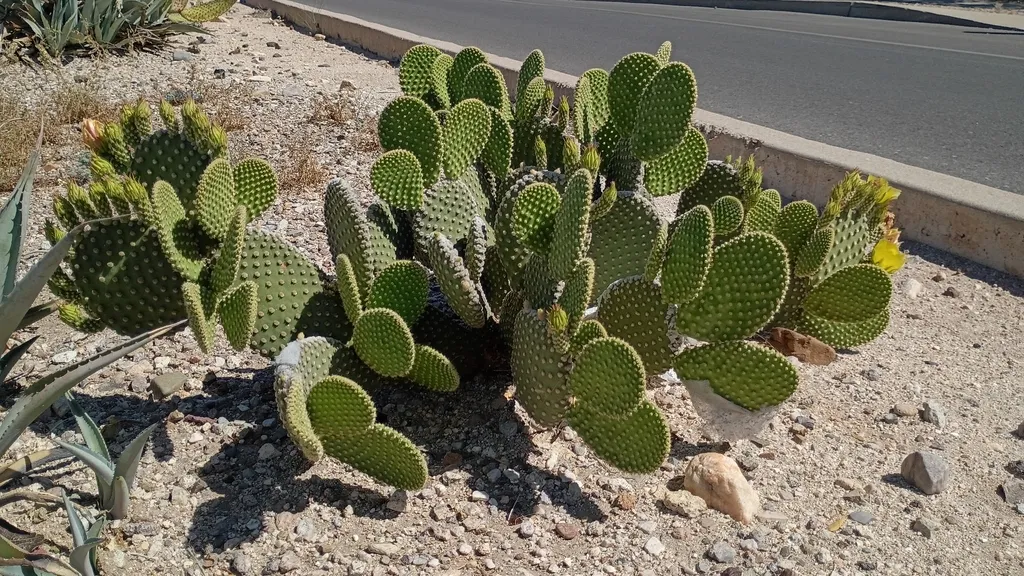
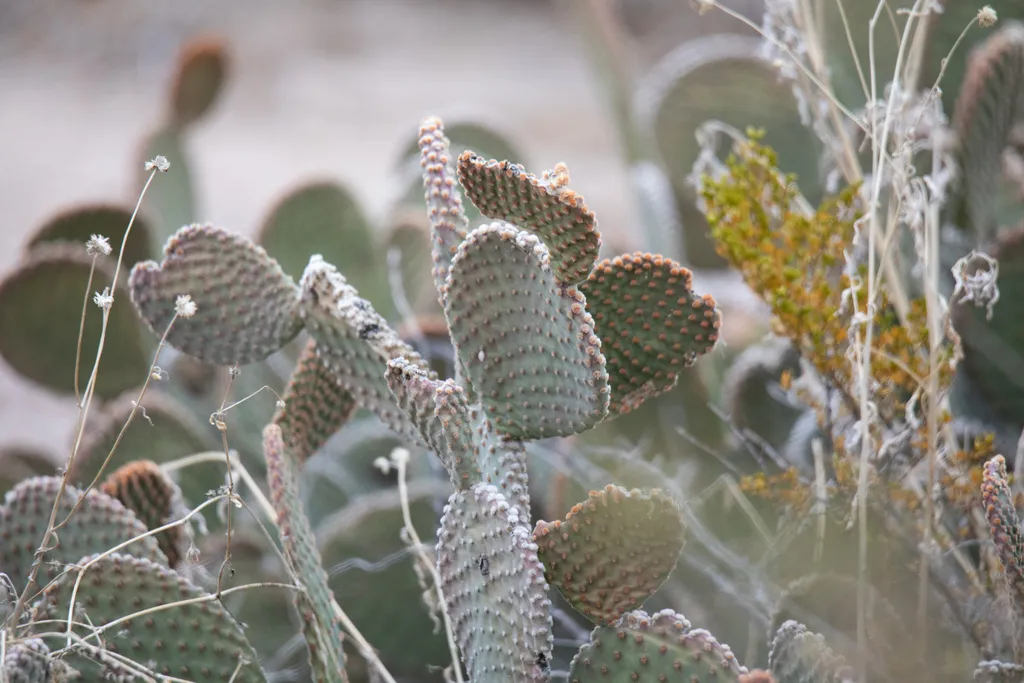
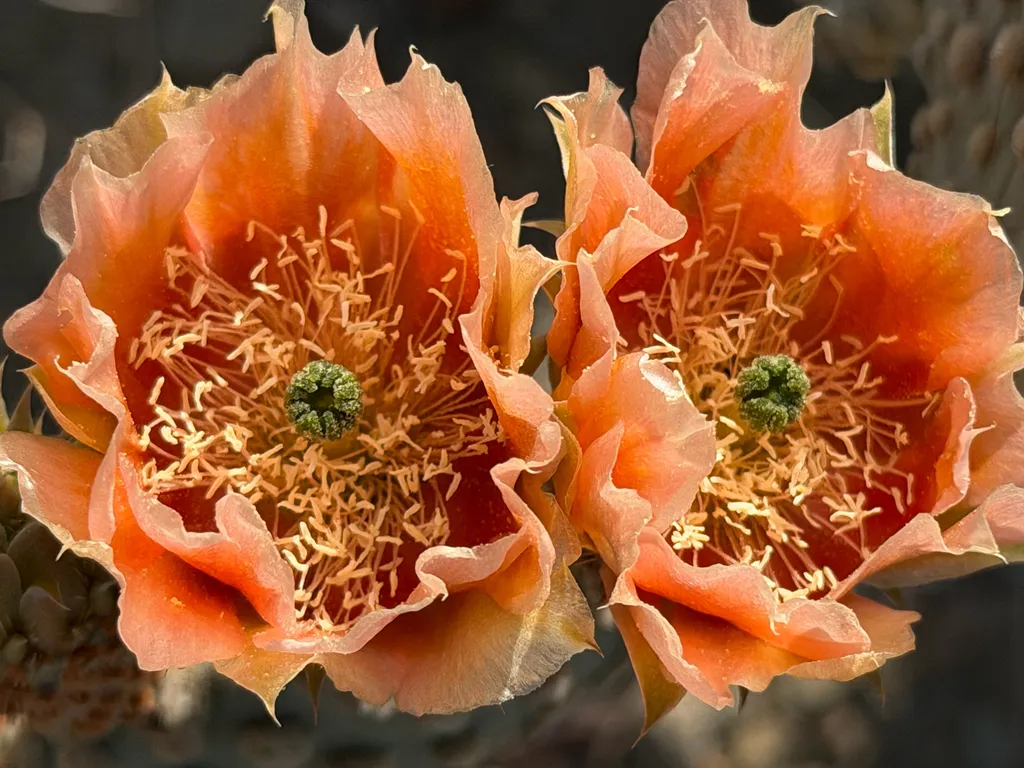
| Care difficulty | 2 / 5 |
|---|---|
| Watering schedule | Let soil dry completely between waterings |
| Sunlight requirements | Full sun |
| Ideal temperature | 18 – 28 °C |
| Soil type | Loam · Sand |
| Soil pH | Acid · Alkaline · Neutral |
| Soil moisture | Well drained |
| Fertilizing | Every 4-6 weeks during summer with low-nitrogen fertilizer |
| Toxicity | Skin/eye irritant. Wear gloves and other protective equipment when handling |
How to Water bunny ears cactus?
Originating from arid regions, angel's-wings has evolved to efficiently manage its water storage, making it highly drought-tolerant. Its succulent pads can retain moisture for extended periods, requiring a watering schedule of once every three weeks. Indoors, angel's-wings thrives in well-draining soil and benefits from the occasional misting to replicate its native humidity levels. Given its desert heritage, angel's-wings is particularly adept at conserving water within its tissues during the growing season.
Learn more →What Are the Sunlight Requirements for bunny ears cactus?
Angel's-wings thrives in conditions of full sun, benefiting from the high intensity of unfiltered daylight for the majority of the day. This optimal light exposure is crucial for its growth, contributing to robust health and vibrant coloration. While angel's-wings tolerates partial sun, this deviation can lead to less vigorous growth and may impact its overall health. It possesses traits that allow it to manage intense light exposure, such as a thick, fleshy structure that reduces water loss. Ideally planted outdoors, angel's-wings performs best in locations where it can be bathed in sunlight for extended periods, making garden spots that receive ample sun the preferred choice for this light-loving plant.
Learn more →What Is the Ideal Temperature Range for bunny ears cactus?

Angel's-wings is highly adaptable to temperature variations, enduring cold temperatures down to 0℃ (32℉) and heat up to 43℃ (109℉). This resilience makes it well-suited to diverse environments but requires specific care during extremes. In cold conditions, angel's-wings may show signs of frost damage, such as dark, translucent patches, necessitating covering or indoor relocation. In excessive heat, symptoms like sunburn or wilting may occur, requiring shading and increased watering. These measures ensure optimal health despite temperature fluctuations.
Learn more →What Soil Is Best for bunny ears cactus?
Angel's-wings thrives in well-draining, aerated soil. A suitable mix can be made using 50% succulent & cactus soil and 50% perlite or coarse sand. If these are unavailable, pumice or grit can substitute for perlite/sand. Enhanced drainage is crucial to avoid water-logging. Add a slow-release fertilizer at the beginning of the growing season for optimal growth. Keep the mix light and airy, ensuring it remains moist but not waterlogged.
- Soil type
- Loam · Sand
- Soil pH
- Acid · Alkaline · Neutral
What Are the Moisture Requirements for bunny ears cactus?
Well drained
Learn more →How to Fertilize bunny ears cactus?

To optimize growth for angel's-wings, use a succulents and cacti-specific fertilizer. During active growth in the spring and summer, fertilize monthly with a quarter-strength solution. This encourages healthy growth and flowering while bolstering overall plant vigor. Precautions include avoiding over-fertilization, which can damage angel's-wings. As growth slows in the fall and winter, reduce fertilization to every other month or pause entirely. For efficiency and safety, apply fertilizer to damp soil and not directly on angel's-wings's surface. These guidelines support both novice and expert gardeners in maintaining a robust angel's-wings.
Learn more →How to Prune bunny ears cactus?

Angel's-wings does not require much pruning. Remove withered flowers and branches so the plant uses nutrients on healthy growth.
Learn more →How to Propagate bunny ears cactus?

A native to Mexico, angel's-wings is a popular, easy-to-grow cacti, notable for its bunny ear-like pads and fuzzy areoles. To propagate angel's-wings, take a healthy pad and allow the cut end to callous over for a few days. Once calloused, plant the pad cut-side down in well-draining cacti mix. Ensure the soil is kept slightly moist until roots develop, then water sparingly. With minimal care, the pads will soon establish a new, robust plant.
Learn more →How to Transplant bunny ears cactus?
For best results with angel's-wings, opt for a transplant in the early sun-kissed months when growth is vigorous. Choose a sunny, well-drained location to ensure a thriving plant. Extra tip: handle the plant gently to avoid breaking its delicate pads!
Learn more →How to Care for bunny ears cactus in Winter?

Angel's-wings hails from the arid regions of Central Mexico, perfectly equipped to survive harsh, dry winters. Its thick, water-storing pads function as robust overwintering tools. However, in chillier climates, indoor care is essential for angel's-wings to thrive. The winter care regimen involves positioning angel's-wings in a bright location at around 50°F (10°C) and restraining water supply, imitating its native winter conditions.
Learn more →How to Plant bunny ears cactus?
Indoors-potted: Thriving indoors, angel's-wings appreciates a well-draining container that mimics its natural arid habitat. Be mindful of its spines when choosing a location in your home. Outdoors-potted: In outdoor pots, angel's-wings enjoys the freedom to soak up the sun while allowing for easy movement during extreme weather conditions or temperature drops. Outdoors-in the ground: Angel's-wings is not ideal for all outdoor ground environments due to its need for excellent drainage and frost sensitivity; check local climate compatibility.
Learn more →How to Repot bunny ears cactus?
Angel's-wings, a desert cactus, typically remains compact in its growth, forming clusters. Ideal for repotting every 2-3 years in spring, when the active growth begins. Choose a slightly larger container with good drainage. Post-repotting, allow the soil to dry before watering to encourage a strong root system. Use gloves when handling angel's-wings, as it has glochids which can irritate the skin.
Learn more →How to Harvest bunny ears cactus?

Most fruits of angel's-wings are edible. Pick the fruit when they turn red. Avoid food safety issues by confirming the species with experts. Wear gloves or use scissors and other tools to harvest.
Learn more →Common Pests & Diseases

Diseases
Generally disease-free although in poorly drained, or wet soil, can be susceptible to root rots
Pests
May be susceptible to scale insects and mealybugs
Explore the plant health library →Troubleshooting
Soft Black Basal Rot or Shriveling Pads
Bunny ears cactus (Opuntia microdasys) is an arid-zone Mexican cactus that stores water in flattened stem segments (pads) and rots quickly in damp, poorly drained soil or cool winter wet.
| What you notice | Possible explanation | What to check next |
|---|---|---|
| Lower pads turn dark brown or black, soft, and mushy near the soil line | Root or basal stem rot caused by overwatering, dense moisture-retentive potting mix, or watering during cool winter dormancy | Check whether the potting mix stays wet and gently test pad firmness near the base using folded newspaper or tongs |
| Pads look wrinkled, thin, and limp while the gritty mix is bone dry during warm weather | Dehydration during active spring and summer growth | Check deep soil dryness and confirm daytime temperatures are warm |
| Older basal pads turn tan, woody, and corky while remaining completely hard | Normal age-related lignification supporting upper branching pads | Verify that the corky tissue is firm and dry and that upper green pads look plump |
- Pot in a sharply drained mineral cactus mix (loam-based or peat-free cactus compost amended with coarse sand, grit, or perlite) in a pot with open drainage holes.
- Water thoroughly only after the entire potting mix has dried completely during active spring-to-early-autumn growth, and withhold water during cool winter dormancy (around 10°C / 50°F).
- If basal rot occurs, detach healthy upper pads with clean tongs or folded newspaper, let cut ends dry and callus for several days, and root them in dry-to-barely-damp gritty cactus mix.
Stop watering immediately if soft black rot spreads from the base, and discard decayed lower stems and soggy soil.
Never handle Opuntia microdasys with bare hands—its cottony areoles contain hundreds of tiny barbed glochids that detach at a light touch and embed in skin.
Stretched Thin Pads, Glochid Irritation, or Scale/Mealybugs
Low indoor light causes new bunny-ear pads to elongate weakly, while mealybugs and scale insects often hide around fuzzy areoles.
| What you notice | Possible explanation | What to check next |
|---|---|---|
| New pads emerge narrow, pale green, and elongated rather than round or oval | Insufficient bright light (etiolation) | Assess daily hours of direct sun on the windowsill |
| Sticky residue, crusty brown scale bumps, or loose cottony tufts distinct from the uniform geometric areole dots | Mealybugs or scale insects feeding on pads | Inspect pad junctions and shaded sides closely under bright light |
- Move gradually into brighter light (such as a sunny south- or west-facing windowsill) so future pads grow thick and compact.
- Isolate pest-infested pots and dab visible mealybugs or scale gently using a cotton swab dipped in rubbing alcohol without brushing against glochids.
- Use thick leather gloves, tongs, or folded newspaper when repotting or moving the container.
Note that etiolated pads will not shrink back to normal width, though healthy new pads will form normally once bright light is restored.
The Toxicity of bunny ears cactus
Skin/eye irritant. Wear gloves and other protective equipment when handling