
bunny ears cactus
Also known as: Information to be completed
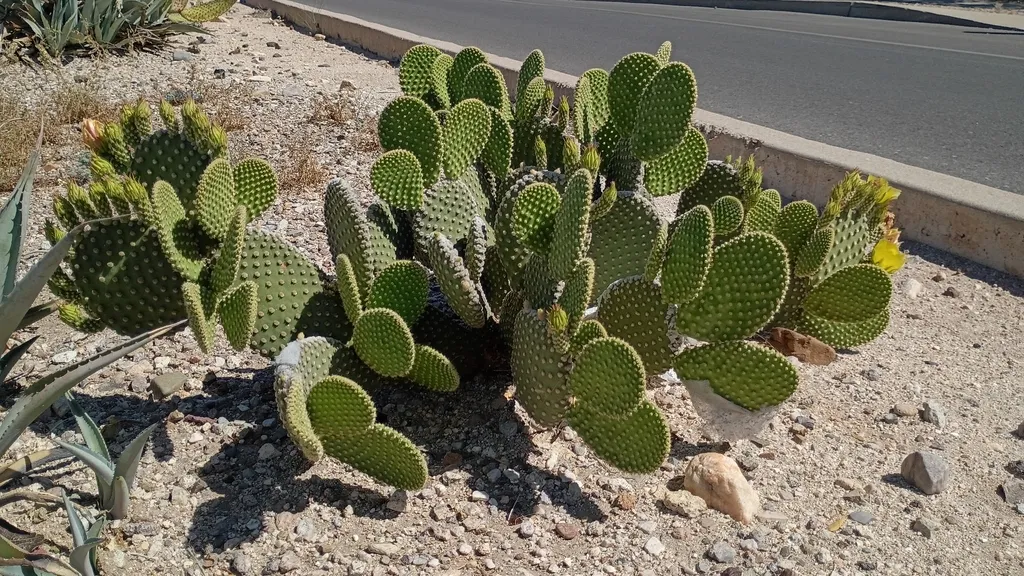
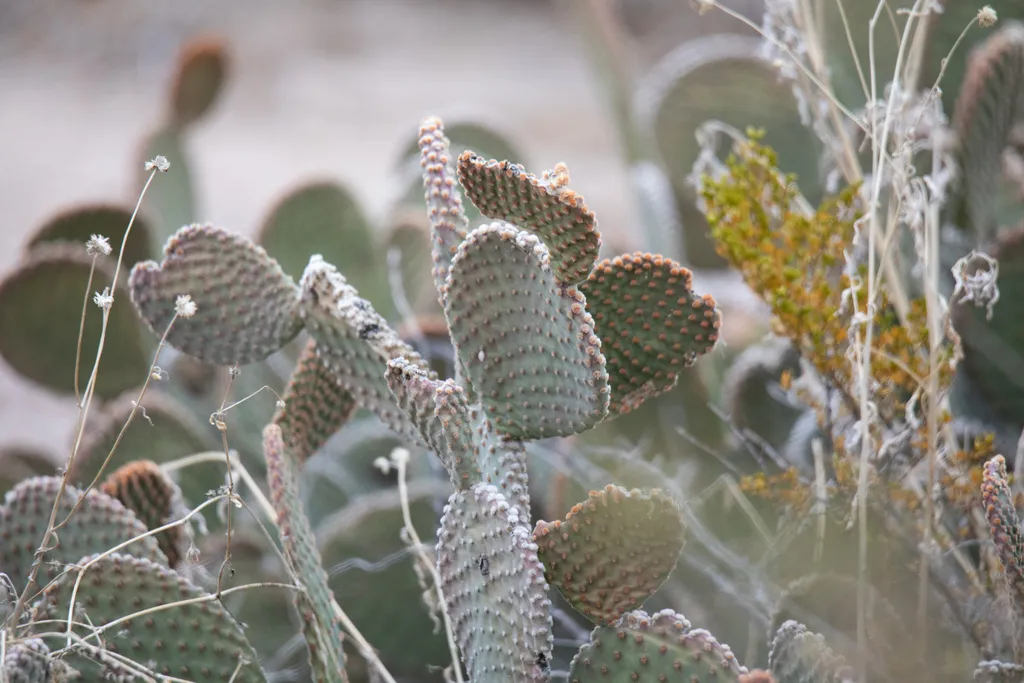
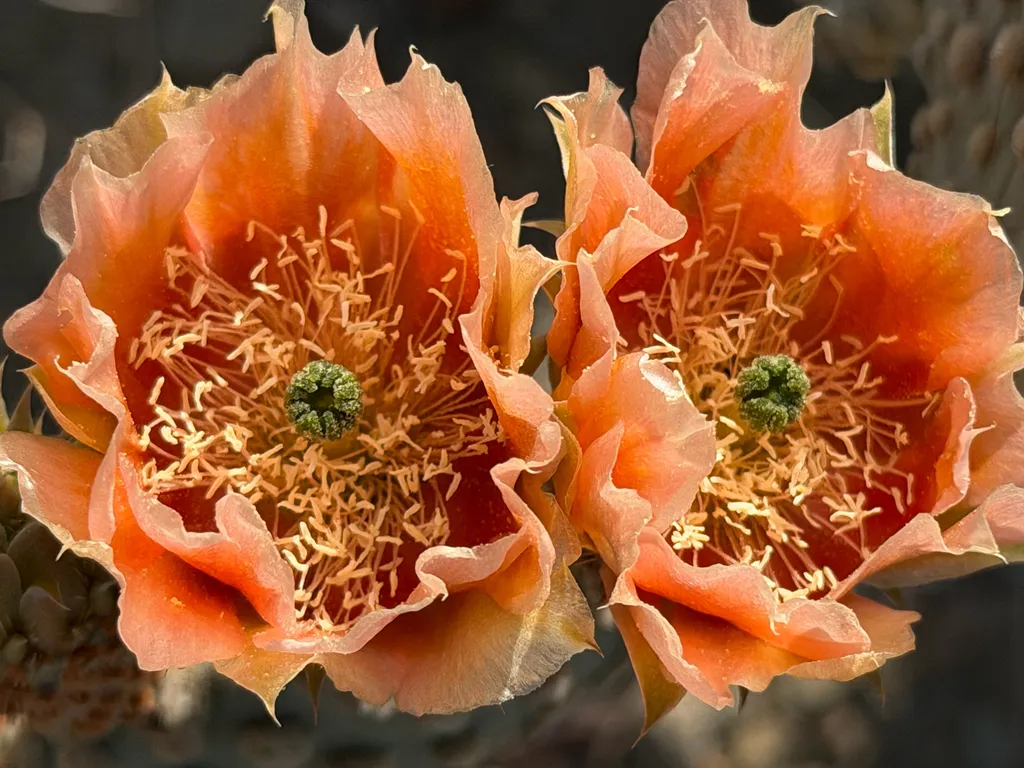
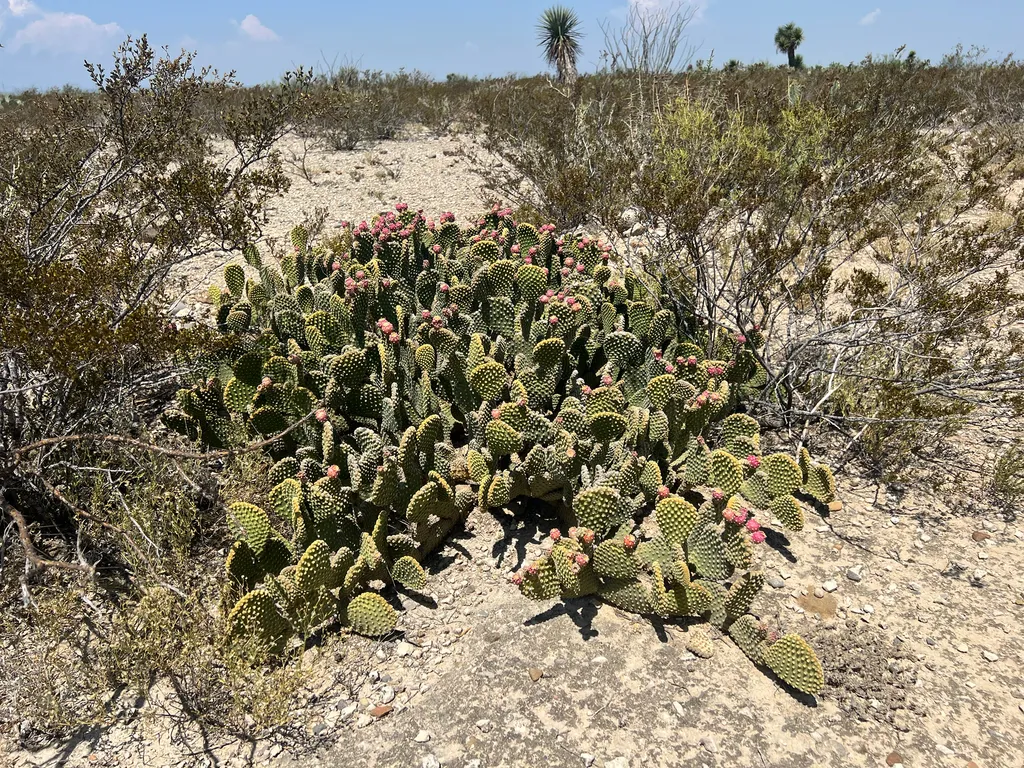
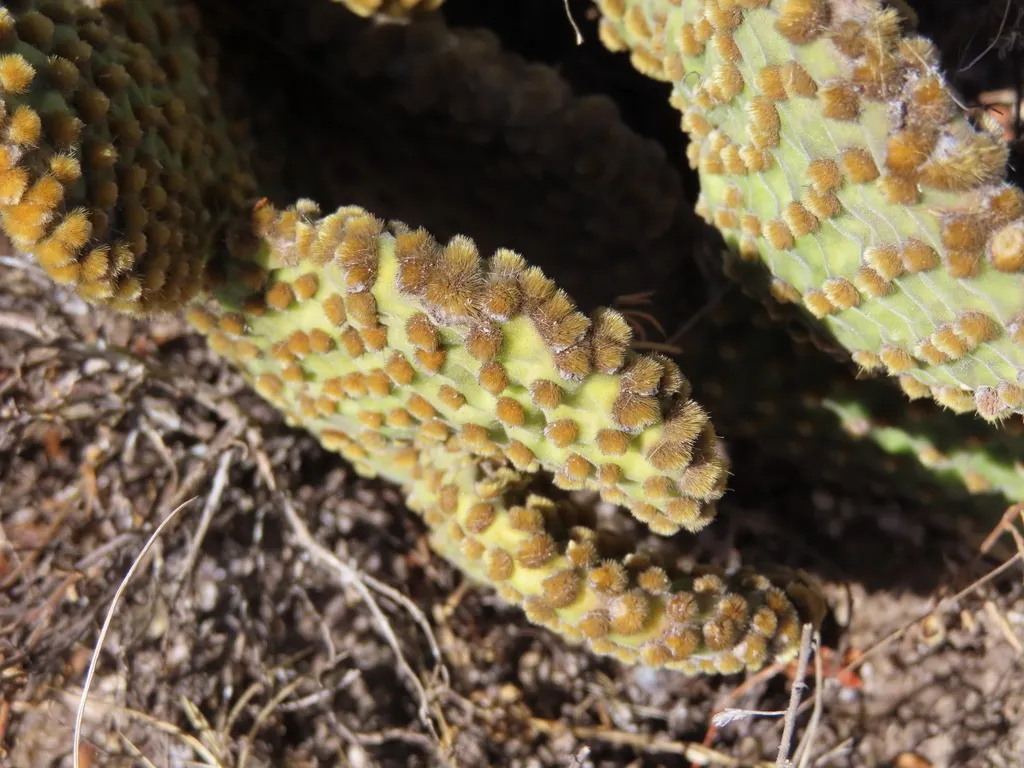
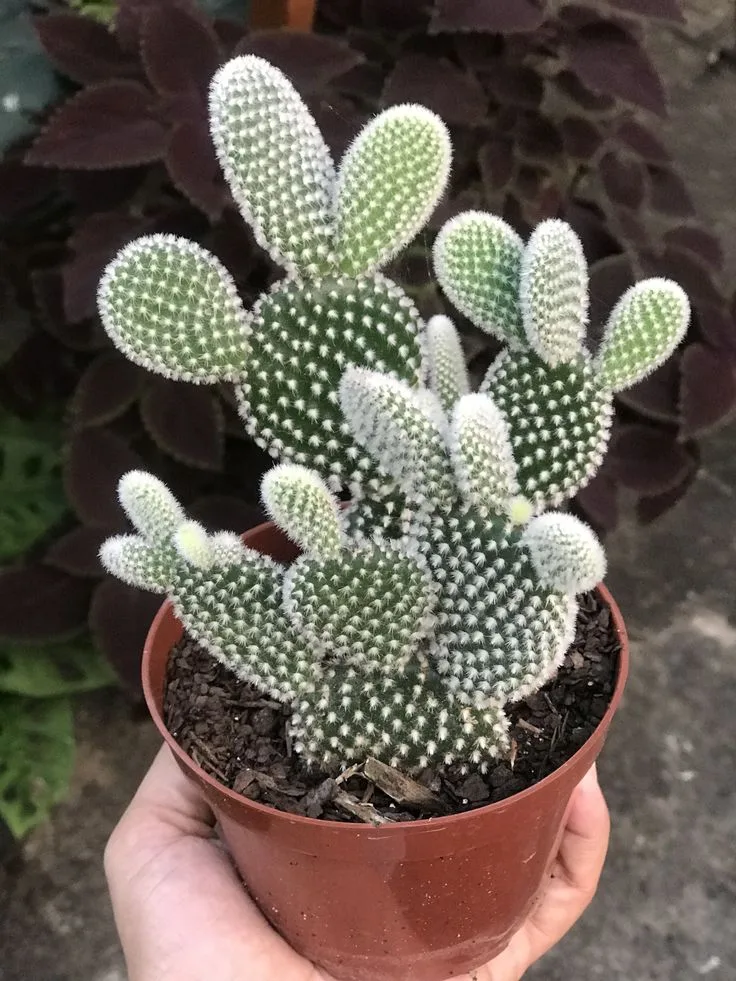
O. microdasys is a bushy, perennial cactus with flattened, segmented, oval to round, light to mid-green stems; densely spotted with white areoles, each bearing minute white, yellow or reddish-brown bristle-like spines. Yellow, bowl-shaped flowers to 4-5cm across are borne in summer
Scientific classification
- Species
- bunny ears cactus (Opuntia microdasys)
- Genus
- Opuntia
- Family
- Cactaceae
- Order
- Caryophyllales
- Class
- Magnoliopsida
- Phylum
- Magnoliophyta
- Skin/eye irritant. Wear gloves and other protective equipment when handling
- Toxicity
- Cactus Succulent · Conservatory Greenhouse
- Plant type
- 0.5-1 metres
- Height
- 0-0.1 metre
- Spread
- Evergreen
- Foliage
- Bushy
- Habit
- Spring · Summer · Autumn · Winter
- Season of interest
- Full sun
- Sunlight
- 18 – 28 °C
- Ideal temperature









bunny ears cactus pictures
Distribution of bunny ears cactus
Distribution map
- Native
- Introduced
- Cultivated
Source:WCVP v16 · Royal Botanic Gardens, Kew · CC BY 3.0 · Boundaries:WGSRPD / TDWG
Toxicity
Skin/eye irritant. Wear gloves and other protective equipment when handling
bunny ears cactus care guide
- Let soil dry completely between waterings
- Watering
- Full sun
- Sunlight
- 18 – 28 °C
- Ideal temperature

Watering
Let soil dry completely between waterings
Fertilizing
 Fertilizing
Every 4-6 weeks during summer with low-nitrogen fertilizer
Pruning
 Pruning
No pruning required
Propagation
 Propagation
Propagate by seed in spring. Sow after pre-soaking and keep at 21°C for germination. Root stem segments in summer. Handle segments with folded newspaper to avoid touching spines
Growing
 Growing
Under glass grow in sharply-draining loam based compost (JI No2) with added sharp sand or perlite, or a proprietary cactus compost. Provide full light at all times and allow compost to dry before watering during growth period in spring, summer and early autumn and apply a balanced liquid fertiliser three or four times. Withhold water and fertiliser in winter when dormant. See houseplant cacti and succulent cultivation for further advice
Common pests and diseases
Diseases
Generally disease-free although in poorly drained, or wet soil, can be susceptible to root rots
Pests
May be susceptible to scale insects and mealybugs
Explore the plant health library →




