



Planting and Growing Ten Commandments

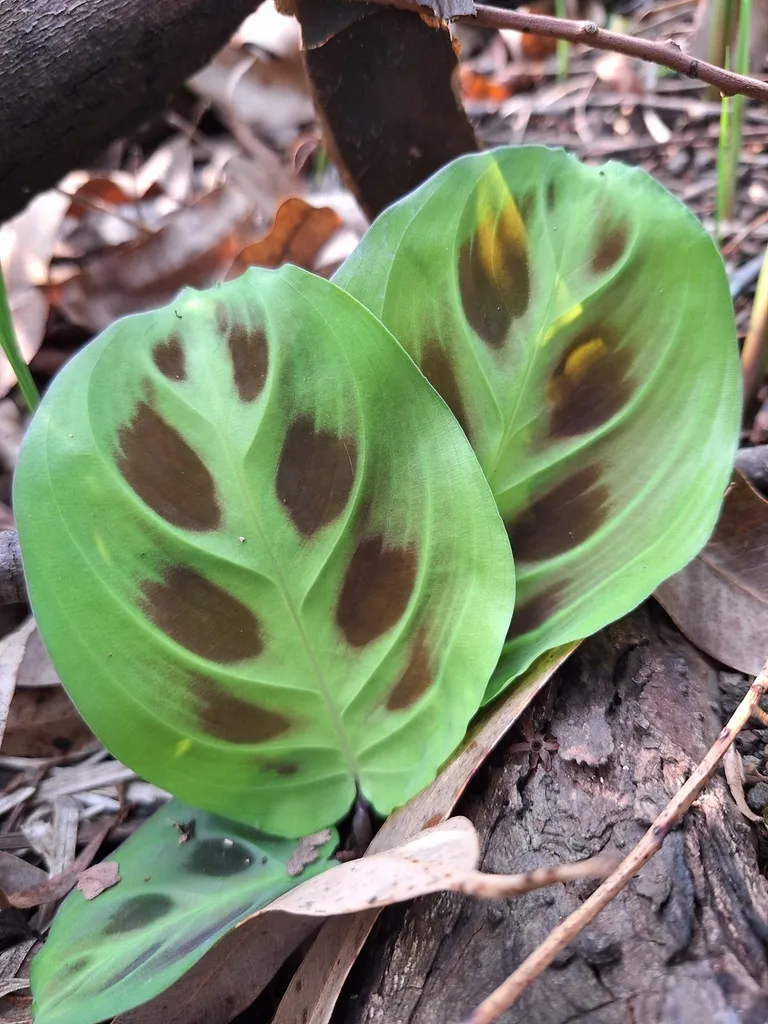
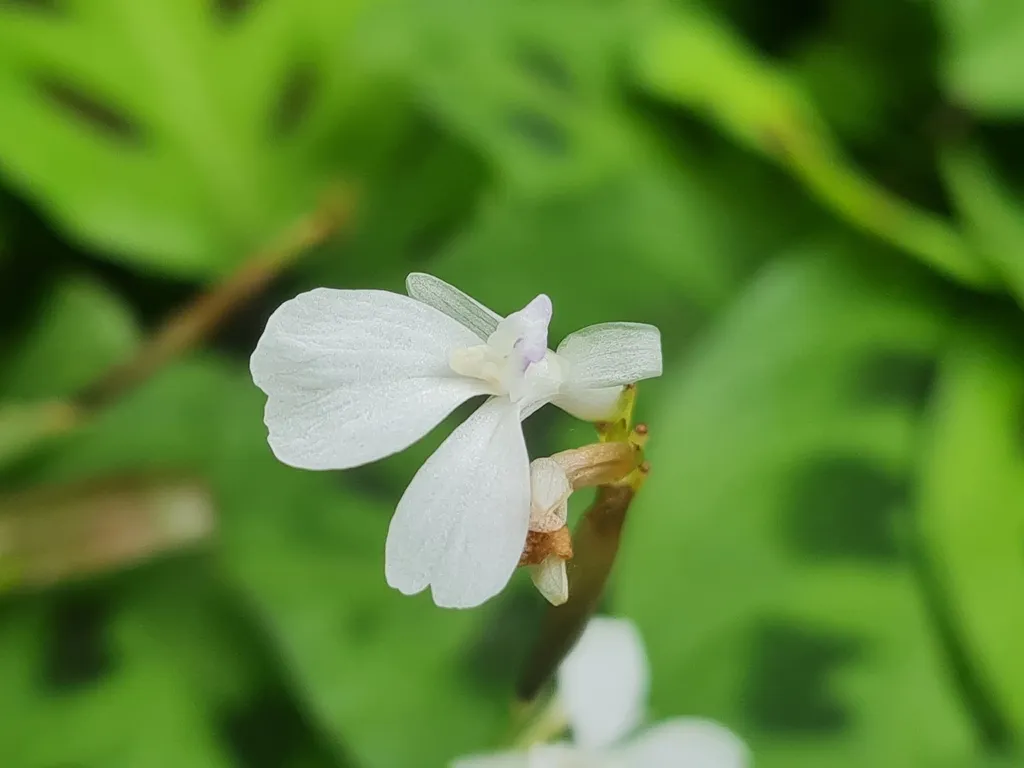
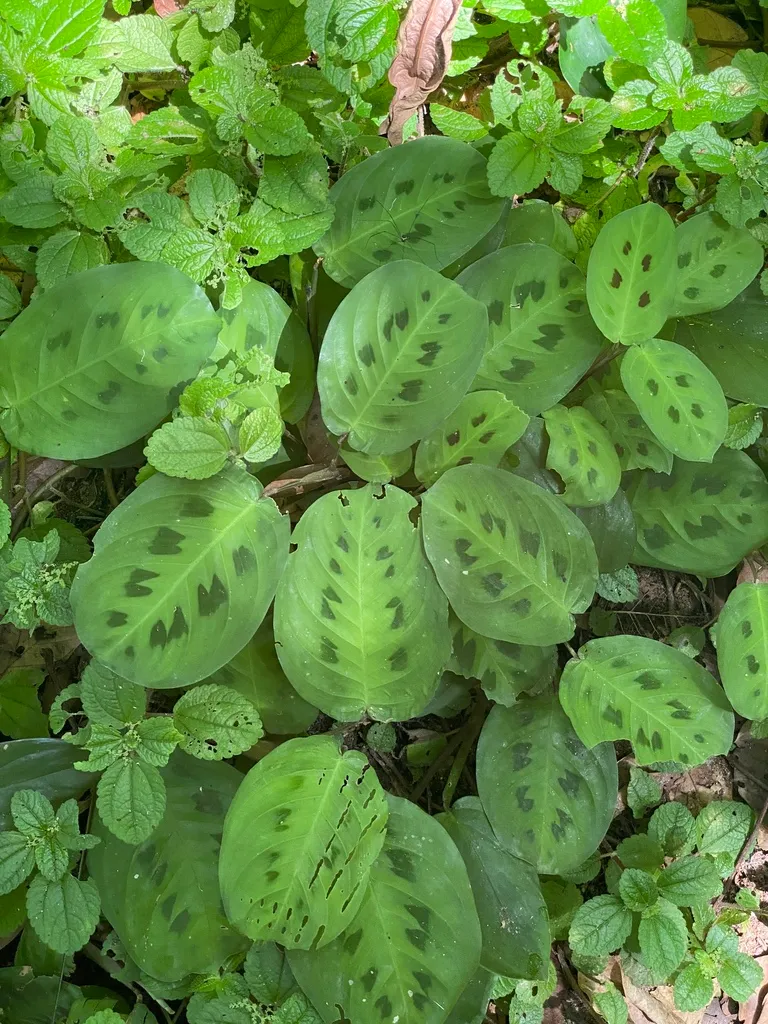
| Care difficulty | 4 / 5 |
|---|---|
| Watering schedule | Keep soil consistently moist, use distilled water if possible |
| Sunlight requirements | Full shade · Partial shade |
| Ideal temperature | 18 – 27 °C |
| Soil type | Chalk · Clay · Loam · Sand |
| Soil pH | Acid · Alkaline · Neutral |
| Soil moisture | Moist but well drained · Well drained |
| Fertilizing | Monthly during growing season with balanced fertilizer at half strength |
| Toxicity | Information to be completed |
How to Water Ten Commandments?
Thriving in the humid understory of tropical forests, prayer plant has adapted to environments where moisture is abundant. This species exhibits a preference for consistent humidity and moderate soil moisture, avoiding both waterlogged roots and dry spells. Watering every week maintains its ideal hydration level. Typically grown indoors due to its humidity requirements, prayer plant benefits from regular misting to emulate its native habitat's climate. As an evergreen plant, maintaining proper humidity levels is crucial for prayer plant's foliage to remain vibrant throughout the year.
Learn more →What Are the Sunlight Requirements for Ten Commandments?
Prayer plant flourishes in environments offering full shade, where the light is gentle and diffused, mimicking the dappled sunlight of its native tropical understory. It can tolerate partial sun, but excessive direct light can lead to leaf burn and faded colors, stressing prayer plant and impairing growth. Adaptive to low-light conditions, its leaves fold upwards in the evening as if in prayer, an adaptation that maximizes light absorption. Ideally suited to indoor life, prayer plant thrives near north-facing windows or in artificially lit spaces with ample indirect light, avoiding prolonged exposure to harsh sunlight.
Learn more →What Is the Ideal Temperature Range for Ten Commandments?

The prayer plant is quite sensitive to temperature fluctuations, particularly extremes. It can tolerate temperatures down to 5℃ (41℉) and up to 43℃ (109℉). Given this range, protective measures are essential during cold spells or heat waves to prevent damage. In colder conditions, the prayer plant may exhibit wilting, browning of leaves, or stunted growth. Conversely, in excessive heat, leaf curling and scorching may occur. Overcooling can be countered by relocating to a warmer spot and using insulation, while overheating can be managed by increasing humidity and ensuring adequate ventilation. This temperature sensitivity means the prayer plant requires careful monitoring to thrive effectively.
Learn more →What Soil Is Best for Ten Commandments?
Prayer plant prefers slightly acidic soil with an adaptable pH of 5.5-6.0. It needs air-permeable and loose culture soil that is rich in organic matter. Because of this, using sphagnum moss is recommended. Appropriate garden soil and organic matters may be added to increase the water retention of the soil. An example of culture soil composition is 1/2 sphagnum moss + 1/4 coarse sand or perlite + 1/4 garden soil. General nutrition soil for indoor potted plants can also be purchased at garden stores. A layer of pebbles can be applied to the bottom of a perforated flowerpot to increase drainage. Soil should be changed once every two years to avoid an accumulation of water in the flowerpot.
- Soil type
- Chalk · Clay · Loam · Sand
- Soil pH
- Acid · Alkaline · Neutral
What Are the Moisture Requirements for Ten Commandments?
Moist but well drained · Well drained
Learn more →How to Fertilize Ten Commandments?

Fertilize prayer plant with high nitrogen, liquid fertilizer bi-weekly during growth periods in spring and summer, using half the recommended strength to boost foliage development. Reduce to monthly in fall and withhold in winter, mirroring prayer plant's rest phase. Over-fertilizing can lead to brown leaf tips; if signs appear, flush soil with water. Water prayer plant before fertilizing to avoid root burn. For optimal health, ensure evenly moist soil and high humidity.
Learn more →How to Prune Ten Commandments?

Prayer plant, known for its distinctive variegated leaves, thrives with careful pruning. The best time to prune is early to late spring, aligning with its growth cycle. Regularly remove dead or yellowing leaves to encourage healthier growth. Pinching back stems will promote bushier development and prevent legginess. Always use clean, sharp tools to avoid disease. Pruning not only improves the plant's appearance but also enhances air circulation, reducing the risk of pests.
Learn more →How to Propagate Ten Commandments?

A favored houseplant, prayer plant is known for its striking foliage that folds together at night, resembling hands in prayer. Successful propagation of prayer plant be achieved via division, which involves gently separating the root clumps during repotting. Carefully tease apart the roots, ensuring each new section has an adequate root system and foliage. Pot these divisions in fresh soil, providing indirect light and consistent moisture to encourage root development. This technique allows prayer plant enthusiasts to expand their collection or share with fellow gardeners.
Learn more →How to Transplant Ten Commandments?
The perfect time to transplant prayer plant is during the warm months of late spring to early summer. Choose a semi-shaded location with well-draining soil for optimal growth. While transplanting, handle the plant gently to avoid root damage and ensure a successful transition.
Learn more →How to Care for Ten Commandments in Winter?

Prayer plant hails from the tropical rainforests of Brazil, a climate lacking brutal winters. This warm-loving specimen, unacquainted with bone-chilling temperatures, would suffer in frosty conditions. Hence, during winters, indoor care ensures it around 60-65°F (15-18°C) ambient temperature with high humidity. Prevent overwatering and place it in bright, indirect light to simulate its natural canopy habitat. With careful winter care, prayer plant maintains its health, unfurling its leaves to greet the sun each day.
Learn more →How to Plant Ten Commandments?
Indoors-potted: Thriving indoors, prayer plant raises and lowers its leaves daily, mimicking prayer—place in a space where this unique movement can be observed and enjoyed. Outdoors-potted: Prayer plant's leaf movements are less noticeable outdoors; ensure protection from direct elements that may hinder its rhythmic foliage display. Outdoors-in the ground: Prayer plant might struggle with temperature fluctuations when planted in the ground outside; it's best appreciated for its indoor performance.
Learn more →How to Repot Ten Commandments?
Repot prayer plant, a low-growing, spreading houseplant, during spring to early summer every 3-4 years to coincide with its growing season. Choose a slightly larger pot to accommodate growth. Post-repotting, provide bright, indirect light and keep the soil moist to encourage recovery. This attentive care ensures the unique, folding leaves of prayer plant keep 'praying'.
Learn more →Common Pests & Diseases

Diseases
Generally disease-free
Pests
May be susceptible to glasshouse red spider mite and mealybugs
Explore the plant health library →Troubleshooting
Curling Leaves and Brown Crispy Edges
Maranta leuconeura (prayer plant) is a tropical forest-floor perennial that curls its leaves inward and develops brown margins when air is too dry, soil dries out, or tap water minerals build up.
| What you notice | Possible explanation | What to check next |
|---|---|---|
| Leaves curl inward like tubes during the day while potting mix feels dry | Underwatering / root zone dryness | Water thoroughly with lukewarm water and check whether leaves uncurl within several hours. |
| Leaf tips and margins turn brown and dry while potting mix stays evenly moist | Low indoor humidity, heater drafts, or fluoride/salts in tap water | Review your water source, proximity to heating vents, and room humidity. |
| Leaves curl tightly and develop fine webbing or stippling underneath | Spider mites thriving in dry indoor air | Inspect leaf undersides closely with good light before treating. |
- Keep the potting mix lightly and evenly moist (never bone-dry and never waterlogged) using lukewarm rainwater, distilled water, or filtered water.
- Raise ambient humidity with a humidifier, pebble tray, or grouping plants, and keep the pot away from dry heating vents and cold drafts.
- Place in medium to bright indirect light (such as near an east- or north-facing window); direct sun bleaches the leaf patterns and causes curling.
- Trim brown leaf edges neatly along the natural leaf shape if desired.
Leaves naturally fold upright every evening (nyctinasty) and flatten out during the day; evening folding is normal, whereas daytime curling signals stress.
Yellowing Leaves or Faded Leaf Patterns
Yellowing leaves and washed-out markings on prayer plants point to soggy soil, cold temperatures, or light intensity mismatches.
| What you notice | Possible explanation | What to check next |
|---|---|---|
| Lower leaves turn yellow and limp while potting mix stays soggy | Overwatering or poor drainage | Empty standing water from the saucer and allow the top inch of mix to dry slightly before watering. |
| Colorful red veins or dark leaf blotches fade and look bleached | Light is too bright or direct sunlight hits the foliage | Move the plant back from sunny windows or diffuse light with a sheer curtain. |
| Leaves yellow and droop after exposure to temperatures below 15°C (60°F) | Chilling stress | Relocate to a warmer room away from cold windowpanes. |
- Use a well-draining, peat- or coco-coir-based potting mix amended with perlite in a pot with open drainage holes.
- Maintain warm indoor temperatures ideally between 18°C and 27°C (65°F to 80°F).
- Feed lightly during spring and summer with a diluted balanced fertilizer at quarter to half strength, and pause feeding in winter.
Maranta leuconeura is listed as non-toxic to cats and dogs by the ASPCA.