



Planting and Growing French peanut

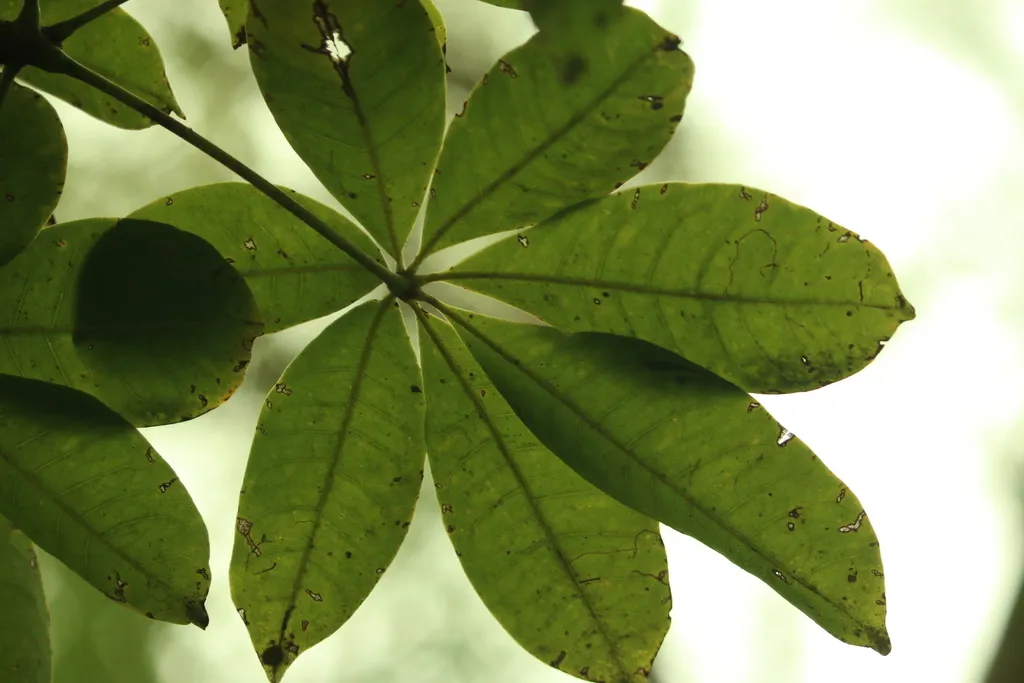
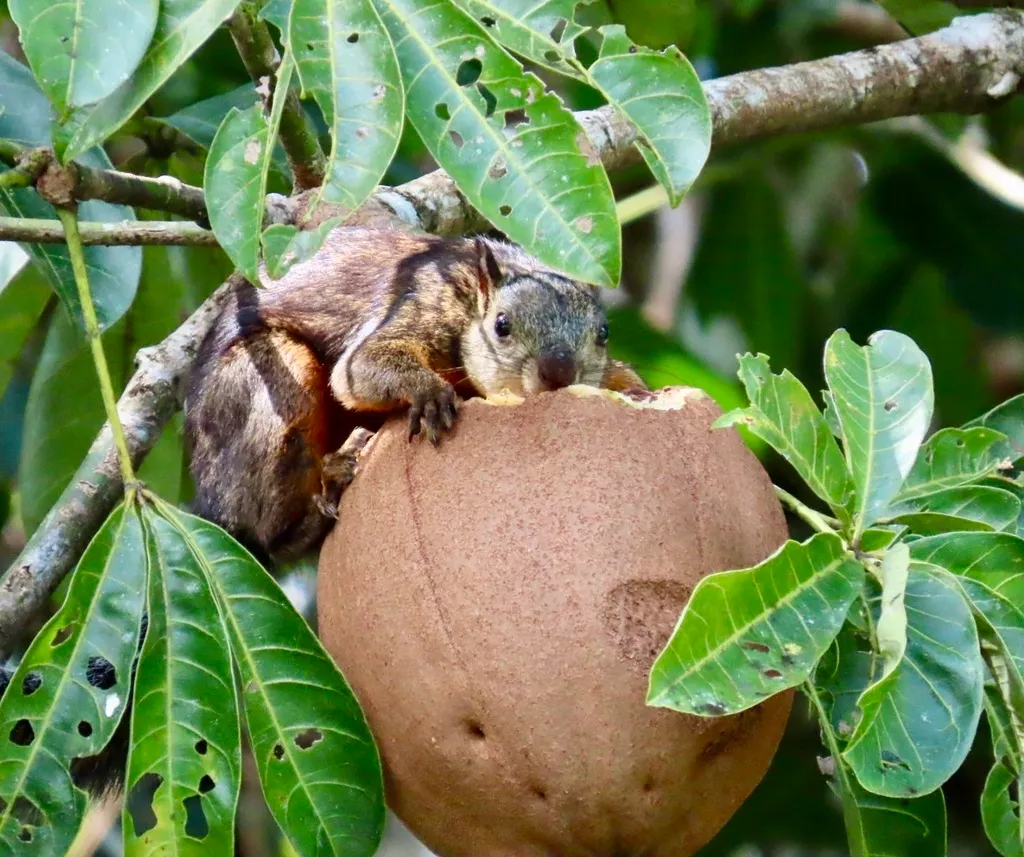
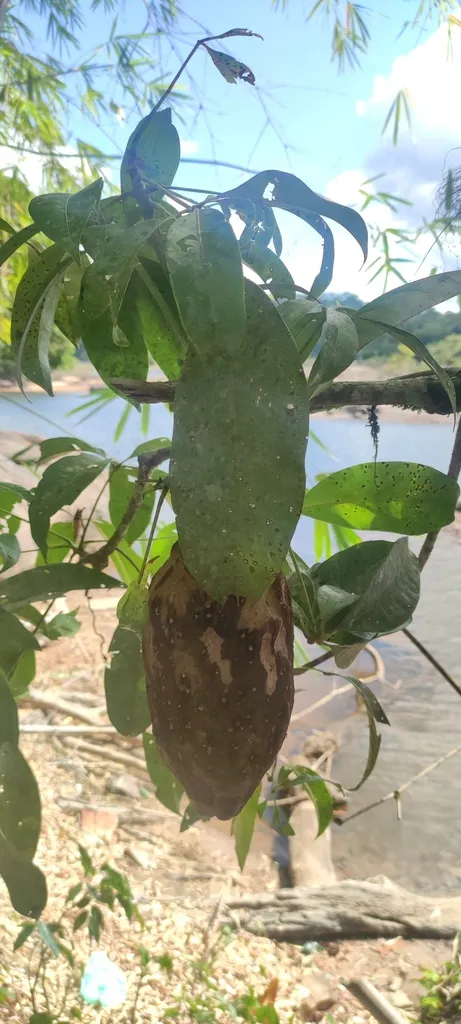
| Care difficulty | 2 / 5 |
|---|---|
| Watering schedule | Water when top inch of soil is dry, reduce in winter |
| Sunlight requirements | Full shade · Partial shade |
| Ideal temperature | 18 – 27 °C |
| Soil type | Loam |
| Soil pH | Acid · Alkaline · Neutral |
| Soil moisture | Moist but well drained |
| Fertilizing | Monthly during spring and summer with balanced liquid fertilizer |
| Toxicity | Information to be completed |
How to Water French peanut?
Adapted to the moist environment of tropical wetlands, money tree thrives in high humidity and consistent moisture. This species exhibits a moderate tolerance for drought, favoring a stable water supply without being overly saturated. Watering should occur once every two weeks, aligning with its ability to store water efficiently. Typically grown indoors due to its ornamental appeal, money tree prefers well-draining soil that supports its growth cycles without becoming waterlogged.
Learn more →What Are the Sunlight Requirements for French peanut?
Money tree thrives in conditions with partial sun, appreciating a blend of light and shade for optimal growth. While capable of adaptation, money tree tolerates both full sun and full shade. In full sun, money tree may accelerate growth but requires more frequent watering to combat additional stress. In full shade, growth slows, and the vibrant green leaves may darken. Ideally, if grown indoors, a spot near a window with filtered light suits money tree well. Outdoors, money tree should be positioned where it can be shielded during the harshest midday sun, enjoying morning or late afternoon light.
Learn more →What Is the Ideal Temperature Range for French peanut?

Money tree demonstrates moderate resilience to temperature fluctuations, tolerating cold down to approximately 5℃ (41℉) and heat up to around 43℃ (109℉). This adaptability ensures money tree can thrive in various settings but necessitates protective measures during temperature extremes. Prolonged exposure to cold may lead to wilting or leaf drop, while excessive heat can cause leaf scorch or drying. In case of overcooling, ensure the plant is kept in warmer environments and protected from drafts. Conversely, during overheating, increase humidity and provide shade to prevent damage. These practices will help maintain money tree's health in fluctuating climates.
Learn more →What Soil Is Best for French peanut?
- Soil type
- Loam
- Soil pH
- Acid · Alkaline · Neutral
What Are the Moisture Requirements for French peanut?
Moist but well drained
Learn more →How to Fertilize French peanut?

For money tree, use high-nitrogen fertilizers to support robust growth. Fertilize every two weeks during spring and summer, tapering to every four to six weeks in fall and winter. A diluted, balanced, liquid fertilizer is ideal. Apply according to label instructions, generally 1/4 strength. Over-fertilization can lead to leaf burn, so proceed with caution. Young plants benefit from consistent feeding, but mature money trees have reduced needs. Ensure soil is moist before application to prevent root damage.
Learn more →How to Prune French peanut?

Money tree is a tropical wetland tree known for its braided trunk and glossy, palmate leaves. Prune in early to late winter to control size and promote a bushier appearance. Remove any dead, damaged, or excessively lengthy branches. Pruning helps maintain shape, encourages new growth, and enhances air circulation. Ensure clean, sharp tools are used to prevent infection. This practice benefits money tree by improving overall health and aesthetic appeal. Refer to horticultural guides for specific care instructions.
Learn more →How to Propagate French peanut?

Money tree is best propagated during Spring through Cutting and Layering techniques. Moderately easy to propagate, success can be identified by new growth and root development. Ensure adequate moisture and warmth for optimal results.
Learn more →How to Transplant French peanut?
For successful transplanting of money tree, it's best to move it during the warm months, preferably early to late summer. This plant thrives in well-draining locations with bright yet indirect light. Make sure to provide ample space for its growth when transplanting.
Learn more →How to Care for French peanut in Winter?

Money tree hails from warm, tropical climates, naturally adapting to seasonal shifts with reduced but continued growth during winter. As gardeners, preparing money tree for winter means placing it in a sunlit spot indoors and moderating watering, to reflect the cooler temperatures. Despite the outdoors chill, money tree remains resilient, offering a vibrant touch of the tropics amidst winter's frost.
Learn more →How to Plant French peanut?
Indoors-potted: Thriving indoors, money tree appreciates a stable environment away from drafts to maintain its lush foliage. Outdoors-potted: Money tree, when potted outdoors, may need protection or relocation during harsh weather to preserve its ornamental beauty. Outdoors-in the ground: While money tree can adapt to being planted in the ground, ensure proper drainage to prevent root rot which could compromise its growth.
Learn more →How to Repot French peanut?
For money tree, a lush, braided tree that can grow tall, repot every 2-3 years to foster robust growth. Best done in spring for active growth season support. Choose a container 2-3 inches larger than the current one to ensure adequate space. After repotting, maintain consistent moisture and avoid direct sunlight to prevent stress. Ideal repotting advice for money tree's vitality.
Learn more →How to Harvest French peanut?

Information to be completed
Learn more →Common Pests & Diseases

Diseases
May be susceptible to a leaf spot
Pests
May be susceptible to scale insects, glasshouse red spider mite and aphids
Explore the plant health library →The Toxicity of French peanut
Information to be completed