
French peanut
Also known as: Guiana chestnut; Malabar chestnut; Mexican fortune tree; provision tree; water chestnut
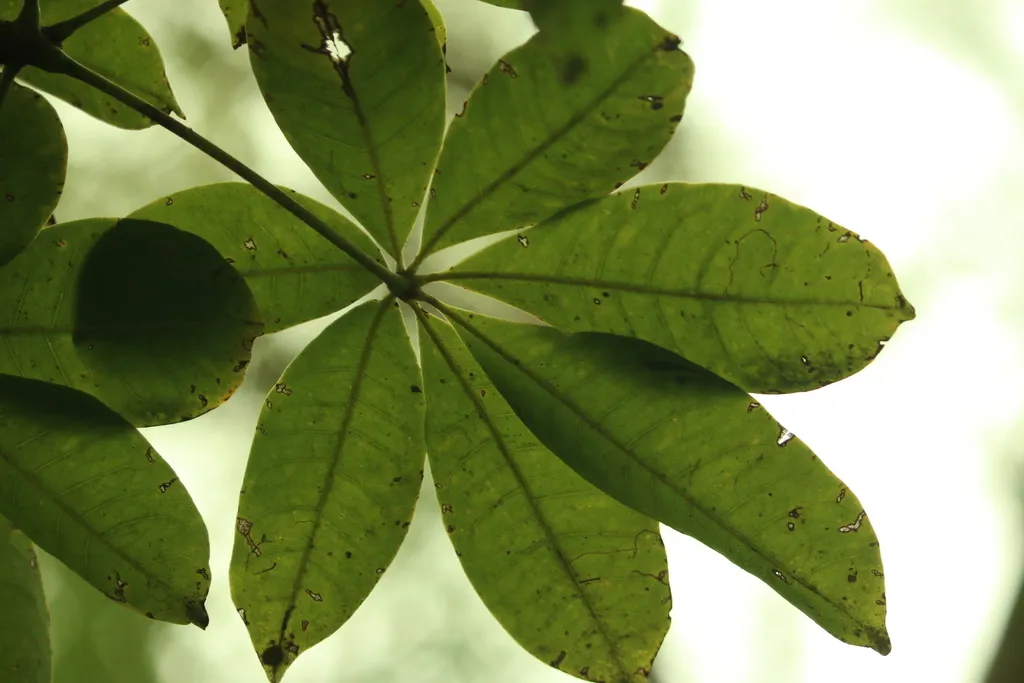
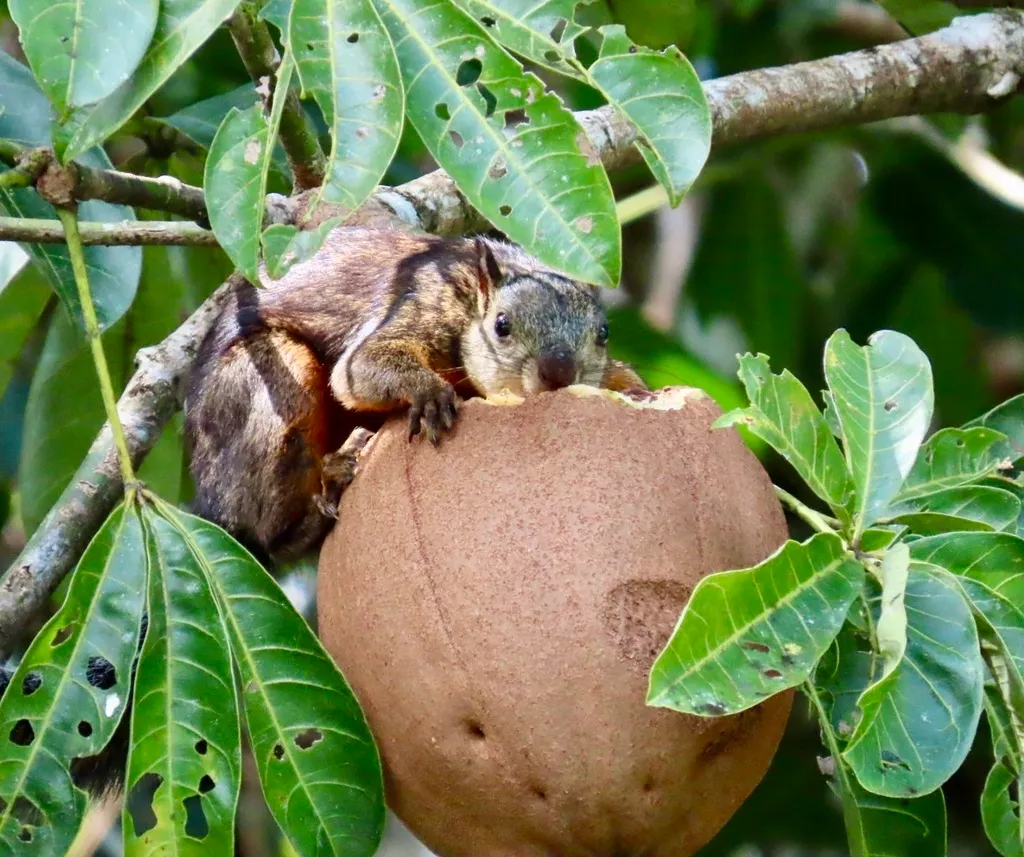
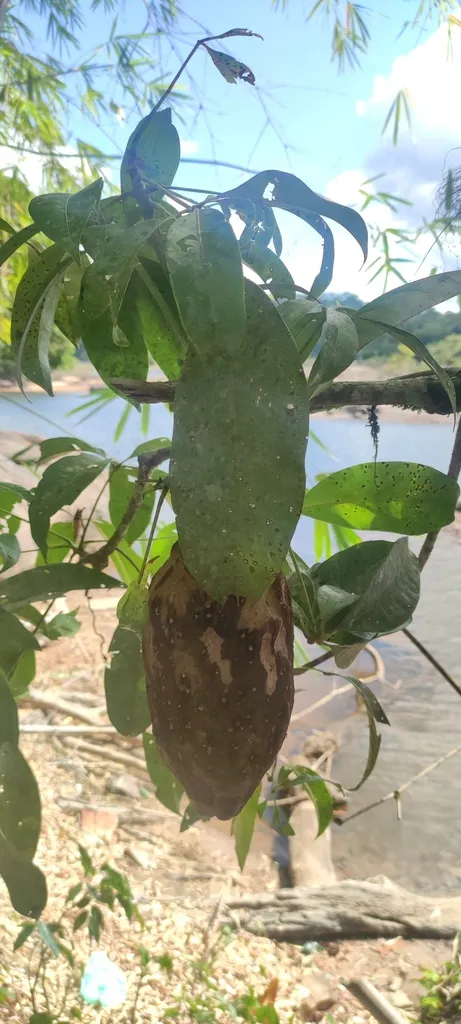
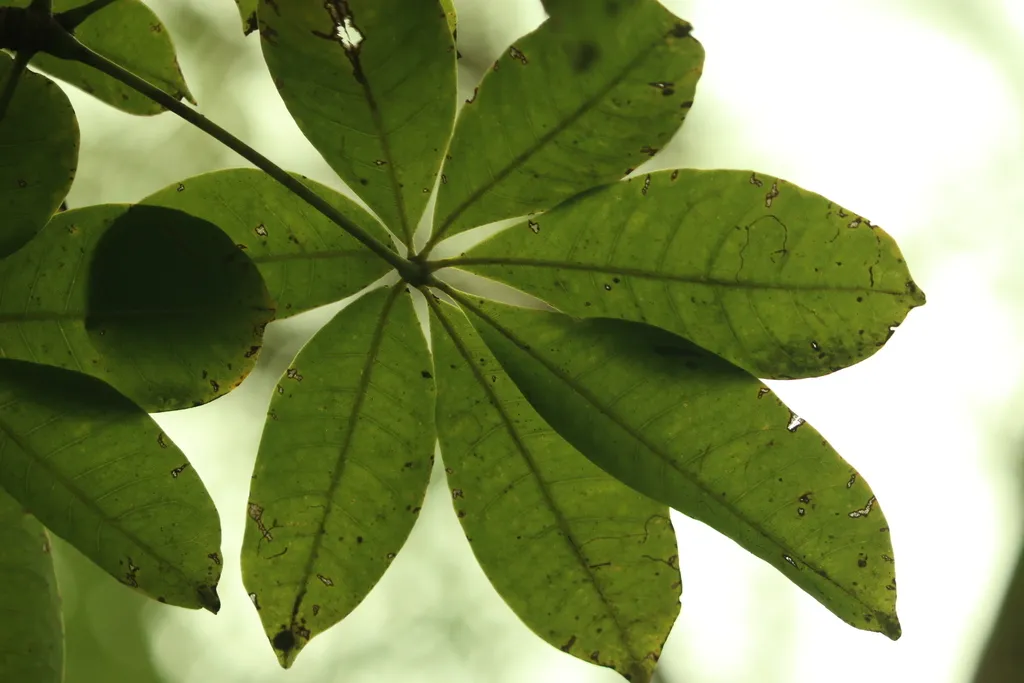
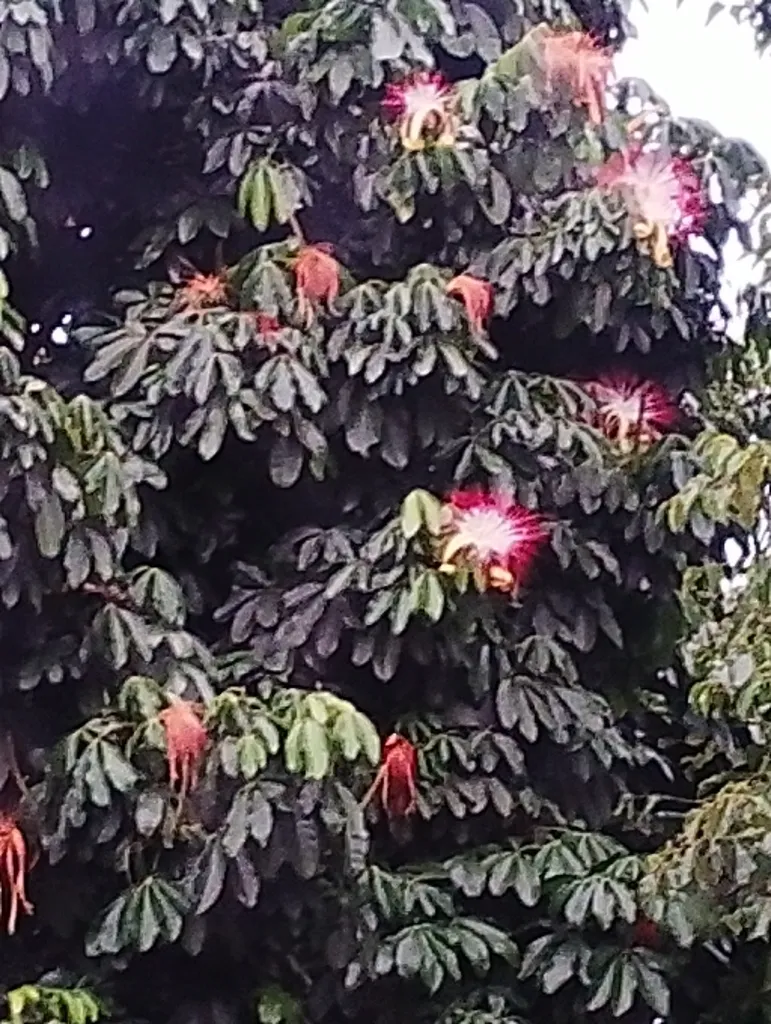
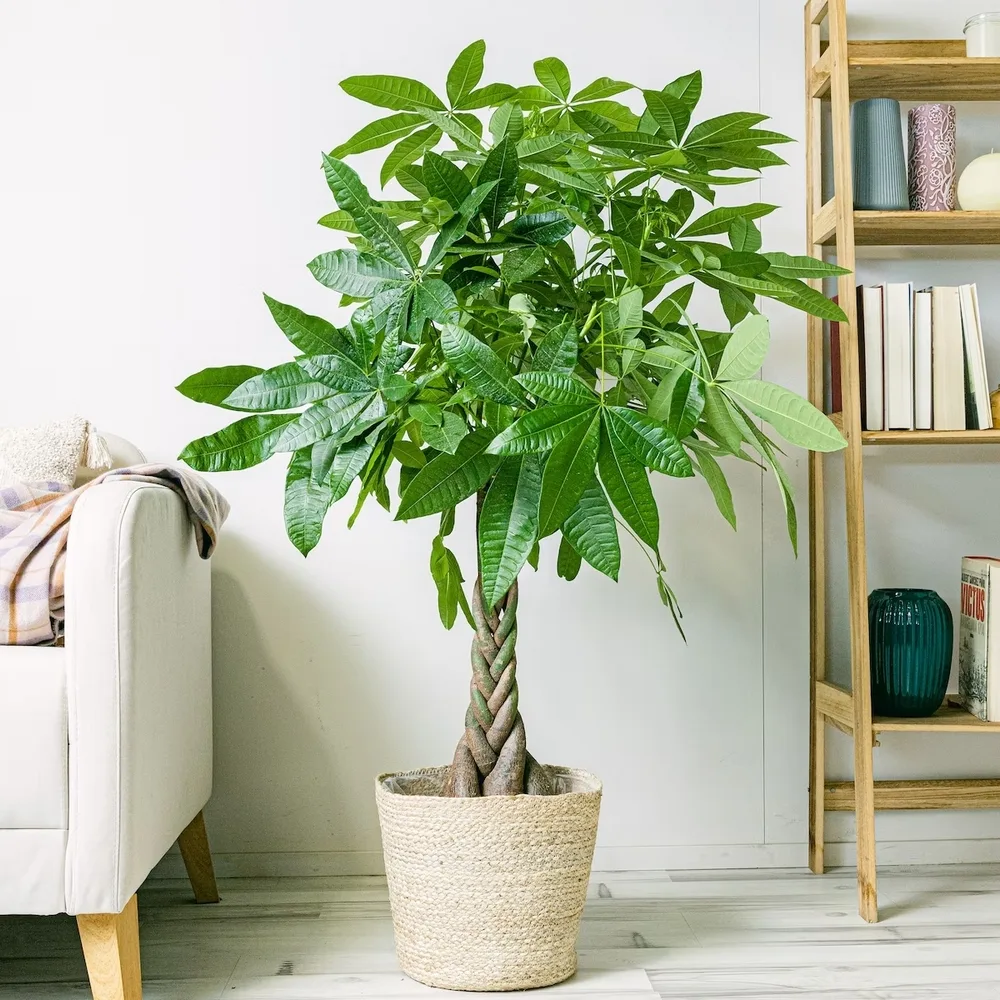
A large, evergreen tree grown as a houseplant, often with several plants plaited together. Stems are bright green at first, becoming grey-brown; the large, glossy, dark green leaves have five or more lance-shaped leaflets. Can reach 20m in its tropical home, but unlikely to exceed 1.5m in a pot. Mature trees produce spectacular flowers with five, 30cm-long, cream petals and 200 or more gold and crimson stamens, followed by large fruit containing up to 25 nuts
Scientific classification
- Species
- French peanut (Pachira aquatica)
- Genus
- Pachira
- Family
- Malvaceae
- Information to be completed
- Toxicity
- Conservatory Greenhouse · Houseplants · Trees
- Plant type
- 1-1.5 metres
- Height
- 0.1-0.5 metres
- Spread
- Evergreen
- Foliage
- Columnar upright
- Habit
- Spring · Summer · Autumn · Winter
- Season of interest
- Full shade · Partial shade
- Sunlight
- 18 – 27 °C
- Ideal temperature









French peanut pictures
Distribution of French peanut
Distribution map
Information to be completed
Information to be completed
Culture
Information to be completed
Toxicity
Information to be completed
Quick identification of French peanut
Information to be completed
French peanut care guide
- Water when top inch of soil is dry, reduce in winter
- Watering
- Full shade · Partial shade
- Sunlight
- 18 – 27 °C
- Ideal temperature

Watering
Water when top inch of soil is dry, reduce in winter
Fertilizing
 Fertilizing
Monthly during spring and summer with balanced liquid fertilizer
Pruning
 Pruning
Cut back shoots as necessary to control size, in spring
Propagation
 Propagation
Propagate by seed, semi-ripe cuttings or air-layering
Growing
 Growing
Grow indoors in an open, free-draining compost in bright light or partial shade
People also ask
Information to be completed
Common pests and diseases
Diseases
May be susceptible to a leaf spot
Pests
May be susceptible to scale insects, glasshouse red spider mite and aphids
Explore the plant health library →




