



Planting and Growing emerald ripple pepper

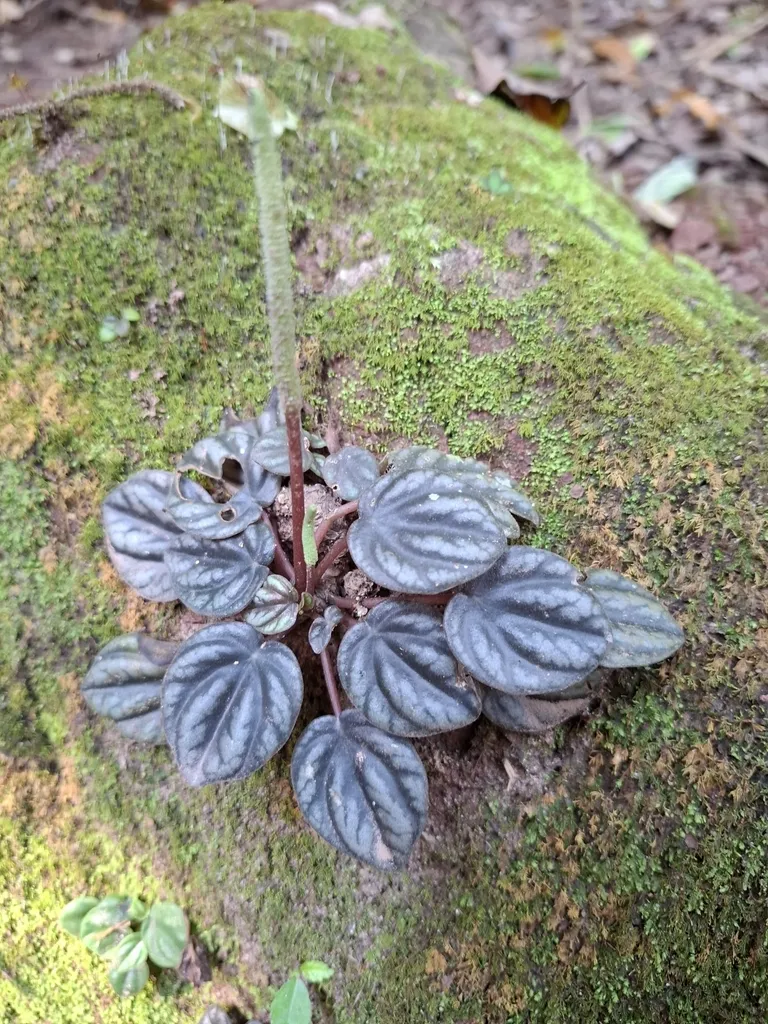
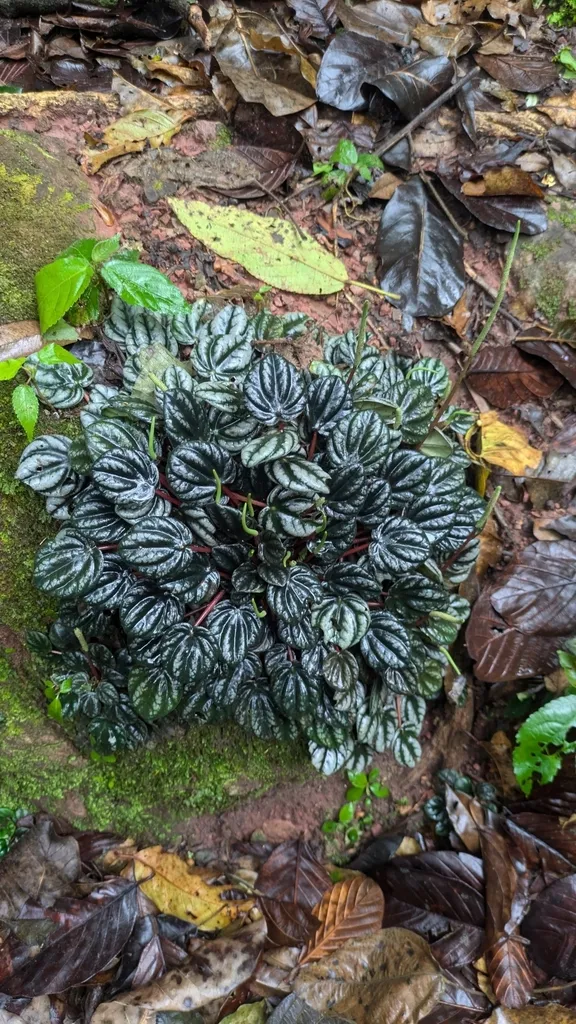
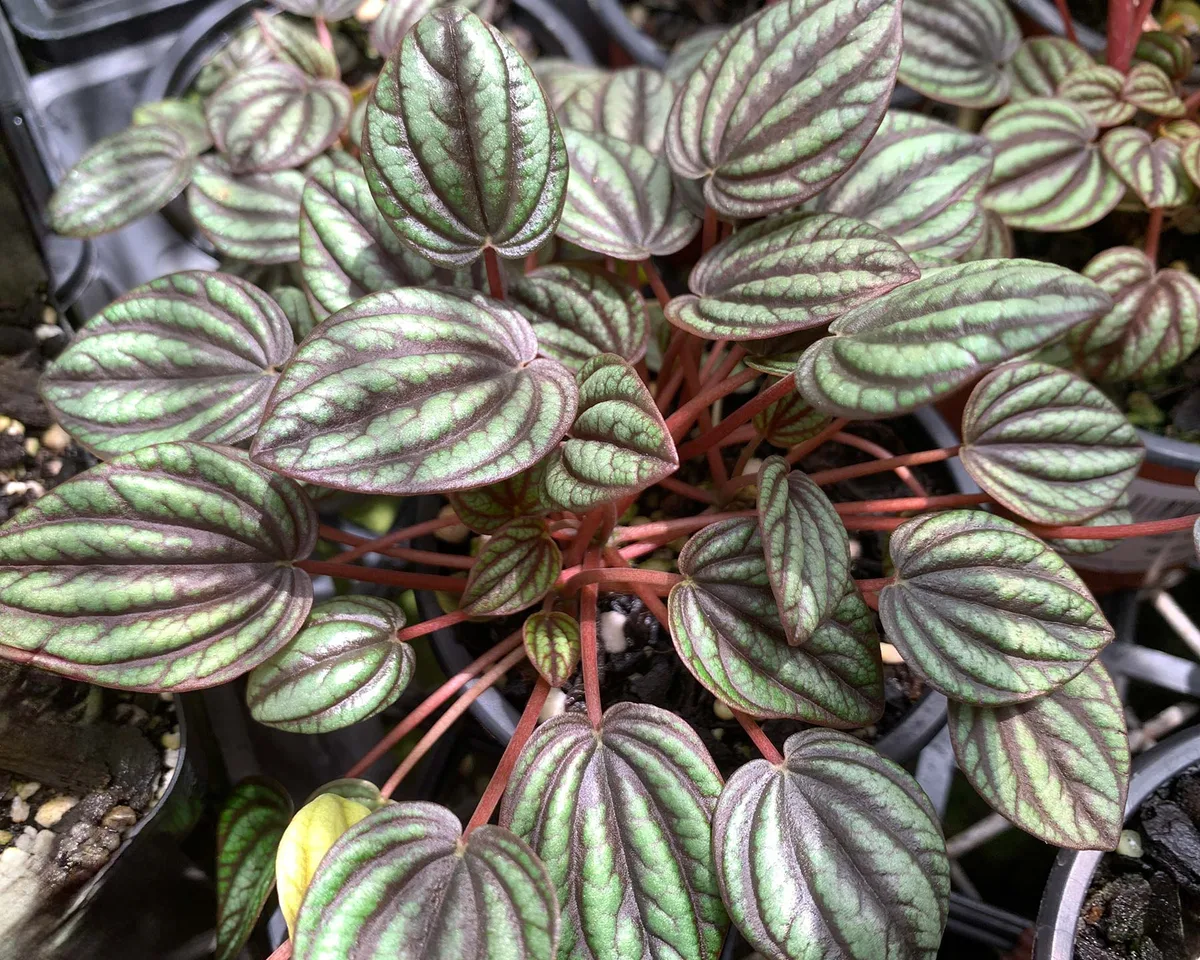
| Care difficulty | 2 / 5 |
|---|---|
| Watering schedule | Moderate regular watering, allowing brief slight drying between soakings |
| Sunlight requirements | Full sun · Partial shade |
| Ideal temperature | 18 – 27 °C |
| Soil type | Loam · Sand |
| Soil pH | Acid · Alkaline · Neutral |
| Soil moisture | Moist but well drained |
| Fertilizing | Balanced perennial feed every four weeks from spring through summer |
| Toxicity | Information to be completed |
How to Water emerald ripple pepper?
Originating from the humid understory of tropical rainforests, emerald ripple peperomia has adapted to environments with consistent moisture. It exhibits a preference for moderate humidity and maintains a balance in water retention, showing resilience to occasional dry periods. The watering schedule for emerald ripple peperomia should reflect its habitat's conditions, necessitating watering every week. As an indoor plant often praised for its ornamental foliage, emerald ripple peperomia thrives when soil moisture is closely monitored to prevent overwatering, which can lead to root rot – a common issue in less breathable container soils.
Learn more →What Are the Sunlight Requirements for emerald ripple pepper?
Emerald ripple peperomia thrives in conditions where it receives full shade, as this mimics its natural understory habitat. Prolonged exposure to direct sunlight is to be avoided, as it can cause leaf burn and fading. However, emerald ripple peperomia demonstrates a moderate tolerance for partial sun environments. It can adapt to lower light levels without significant harm, but its growth might be less vigorous. The leaves of emerald ripple peperomia may exhibit deeper hues in shadier conditions, signifying a healthy light absorption. Ideally, indoors, emerald ripple peperomia should be placed in a spot with bright, indirect light, while outdoors, it's recommended to be positioned in a location that provides protection from harsh midday sun.
Learn more →What Is the Ideal Temperature Range for emerald ripple pepper?

Emerald ripple peperomia exhibits a moderate tolerance to temperature variations, enduring a range of 5°C to 43°C (41°F to 109°F). While resilient, it is sensitive to extreme cold or heat. In colder temperatures, emerald ripple peperomia may develop leaf discoloration, wilting, and drop. Overheating can cause scorched leaves and slowed growth. Protective measures such as insulating covers for cold weather or shading and increased humidity in high heat are essential. Proper care ensures emerald ripple peperomia remains healthy, making it suitable for environments with mild temperatures but requiring attention during climatic extremes.
Learn more →What Soil Is Best for emerald ripple pepper?
- Soil type
- Loam · Sand
- Soil pH
- Acid · Alkaline · Neutral
What Are the Moisture Requirements for emerald ripple pepper?
Moist but well drained
Learn more →How to Fertilize emerald ripple pepper?

For emerald ripple peperomia, use high nitrogen fertilizer every 3-4 weeks during active growth in spring and summer, reducing to once every 6 weeks in fall. Cease fertilization in winter to allow rest. A diluted solution ensures root safety from chemical burns, enhancing emerald ripple peperomia's growth. Seasonal adjustments ensure emerald ripple peperomia receives optimal nourishment without over-fertilization, maintaining its vibrant foliage and overall health.
Learn more →How to Prune emerald ripple pepper?

Emerald ripple peperomia, known for its distinctive ripple-like leaves, should be pruned in early to late spring. Key techniques include removing dead or damaged leaves and pinching back leggy stems to promote bushier growth. This encourages healthier foliage and a more compact shape. Pruning can enhance airflow, reducing the risk of pests and diseases. Timely pruning aligns with the plant's growth cycle, helping it to rejuvenate and thrive throughout the growing season.
Learn more →How to Propagate emerald ripple pepper?

Emerald ripple peperomia thrives by the Spring and Summer cutting method. Slightly challenging to propagate, with success indicated by new leaf growth. Maintain high humidity for optimal results.
Learn more →How to Transplant emerald ripple pepper?
For a successful emerald ripple peperomia transplant, choose the sweet spot between late spring and early summer, as it allows the plant to adapt to its new environment with ease. Ensure emerald ripple peperomia is placed in a well-draining and partly shaded location. Be gentle while handling roots to avoid damages.
Learn more →How to Care for emerald ripple pepper in Winter?

Emerald ripple peperomia hails from tropical rain forests in Brazil, naturally equipped to thrive in damp, warm, and low light conditions. Winter care for emerald ripple peperomia involves emulating this environment: maintain a consistent indoor temperature, ensure adequate but not direct light, and water sparingly to avoid root rot. Its hearty adaptability, however, allows for some forgiveness in less-than-ideal conditions.
Learn more →How to Plant emerald ripple pepper?
Indoors-potted: Thriving indoors, emerald ripple peperomia prefers stable environments; avoid drafts and sudden temperature changes to keep its textured leaves lush. Outdoors-potted: Emerald ripple peperomia can enjoy the outdoor patio life but might need to be sheltered during extreme weather for optimal foliage health. Outdoors-in the ground: Emerald ripple peperomia generally isn't suited for direct garden planting unless in a consistently warm and humid microclimate, with plenty of shade.
Learn more →How to Repot emerald ripple pepper?
Emerald ripple peperomia, a compact, textured foliage plant, thrives when repotted every 2-3 years, ideally during spring for conducive growth cycles. Select a container only slightly larger than its root system to prevent overwatering risks. Post-repotting, offer bright, indirect light and keep soil moist for a smooth transition. Friendly tip: emerald ripple peperomia's love snug spaces, so avoid upsizing too much!
Learn more →How to Harvest emerald ripple pepper?

Information to be completed
Learn more →Common Pests & Diseases

Diseases
May be susceptible to grey moulds
Pests
Generally pest-free
Explore the plant health library →The Toxicity of emerald ripple pepper
Information to be completed