



Planting and Growing Schiller’s moth orchid

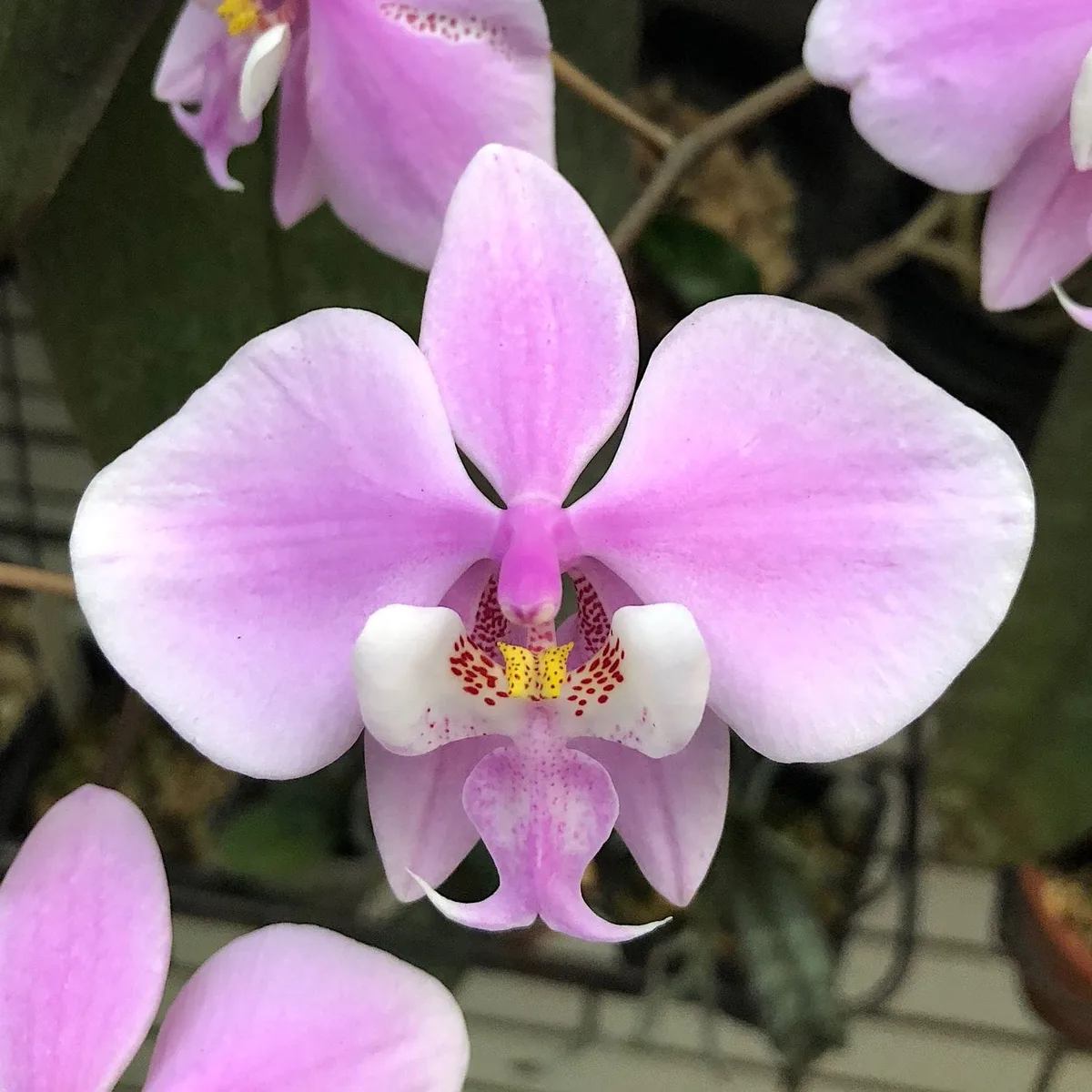
| Care difficulty | 3 / 5 |
|---|---|
| Watering schedule | Keep potting medium lightly moist, airy, and never stagnant |
| Sunlight requirements | Partial shade |
| Ideal temperature | Information to be completed |
| Soil type | Information to be completed |
| Soil pH | Neutral |
| Soil moisture | Well drained |
| Fertilizing | Half-strength orchid feed every two to three weeks in active growth |
| Toxicity | Information to be completed |
How to Water Schiller’s moth orchid?
Keep potting medium lightly moist, airy, and never stagnant
Learn more →What Are the Sunlight Requirements for Schiller’s moth orchid?
Partial shade
Learn more →What Soil Is Best for Schiller’s moth orchid?
- Soil type
- Information to be completed
- Soil pH
- Neutral
What Are the Moisture Requirements for Schiller’s moth orchid?
Well drained
Learn more →How to Fertilize Schiller’s moth orchid?

Half-strength orchid feed every two to three weeks in active growth
Learn more →How to Prune Schiller’s moth orchid?

No pruning required. Cut back green flowered stem to lower node to encourage further flowering. Remove the flowered stems once yellow and dry
Learn more →How to Propagate Schiller’s moth orchid?

Propagation by seed is only possible in controlled laboratory environment. Mature plants may produce sideshoots (keiki) which may be removed and potted separately into sphagnum moss when the new roots are at least 2cm long
Learn more →How to Plant Schiller’s moth orchid?
Grow in an open bark-based orchid compost. Provide enough bright filtered light, but keep away from direct mid-day sunlight or heating source. Ideal temperatures are around 17°C at night and 20 - 25 °C during day. Mist aerial roots regularly and water the plant when almost dry - pale, silvery roots are a good indication when to water. Orchid fertiliser can be applied regularly throughout the season. See Phalaenopsis cultivation
Learn more →Common Pests & Diseases

Diseases
Generally disease-free. Avoid watering centre of the leaf crown, to prevent bacterial rots
Pests
May be susceptible to mealybugs, aphids and scale insects
Explore the plant health library →