



Planting and Growing East Indian butterfly plant

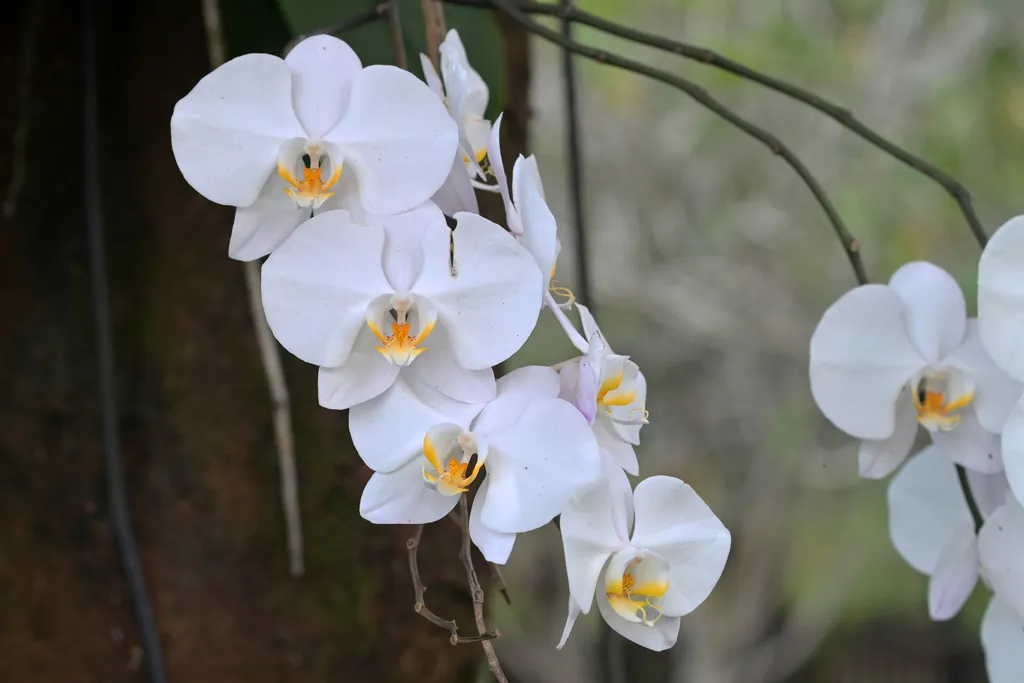
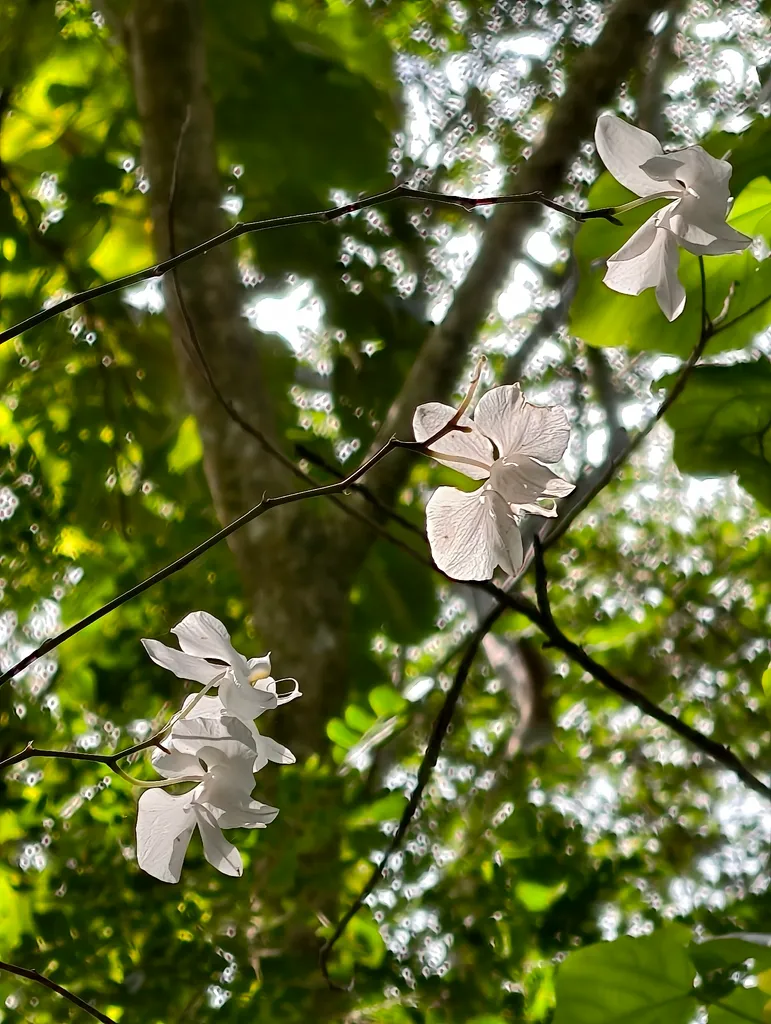
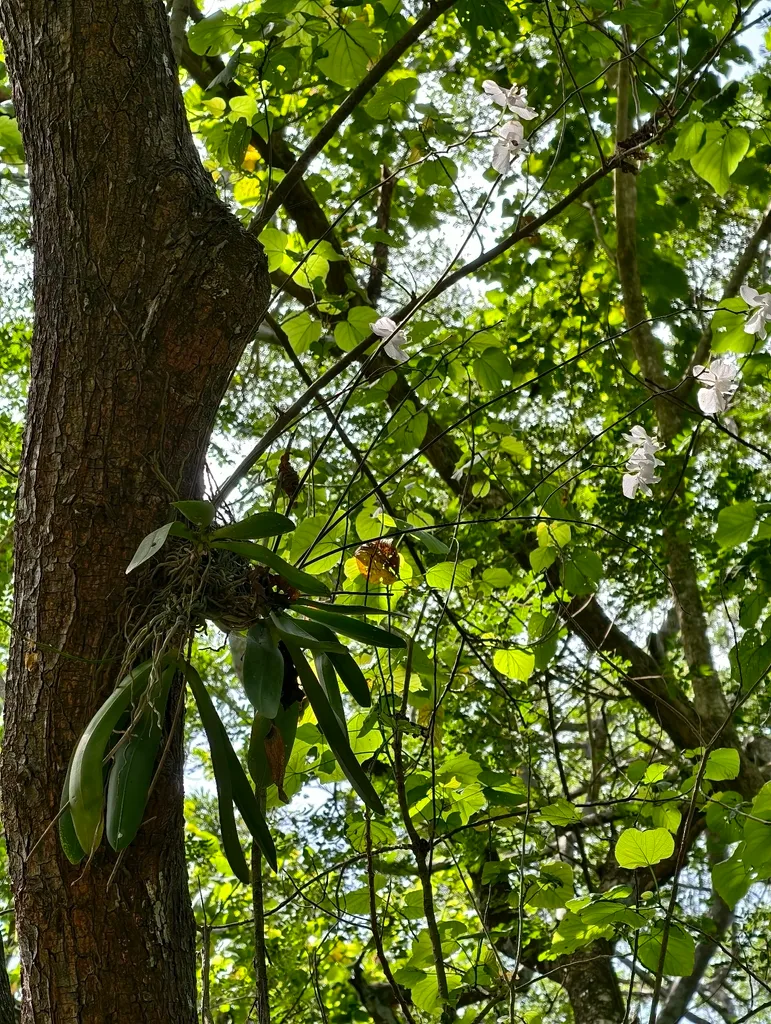
| Care difficulty | 2 / 5 |
|---|---|
| Watering schedule | Water when bark medium is nearly dry, avoid standing water |
| Sunlight requirements | Partial shade |
| Ideal temperature | 20 – 28 °C |
| Soil type | Loam |
| Soil pH | Neutral |
| Soil moisture | Well drained |
| Fertilizing | Weekly with weak fertilizer during growing season |
| Toxicity | Information to be completed |
How to Water East Indian butterfly plant?
Thriving in humid environments, moth orchid has adapted to the moisture-rich conditions of tropical rainforests. This species exhibits a preference for consistent humidity and moderate watering habits, maintaining a delicate balance in water uptake. Watering every week is sufficient to meet its hydration needs without oversaturating the roots. As an epiphytic plant often grown indoors, moth orchid benefits from misting to emulate its native habitat's humidity levels, ensuring that even away from the tropics, it can flourish with adequate aerial moisture.
Learn more →What Are the Sunlight Requirements for East Indian butterfly plant?
Moth orchid thrives in partial sunlight, benefiting from bright, indirect light to foster robust growth and vibrant blooms. While moth orchid can survive in full shade, it often results in leggy stems and reduced flowering. The ideal light duration ranges from 12 to 16 hours, mimicking its native tropical environment. Excessively intense light, however, can scorch the leaves, indicating a need for a shift to a shadier locale. Adaptive to indoor cultivation, moth orchid prospers on east or west-facing windowsills. Outdoors, moth orchid should be positioned under a canopy that filters the harsh midday sun, ensuring a balance of diffused light and protection.
Learn more →What Is the Ideal Temperature Range for East Indian butterfly plant?

Moth orchid demonstrates moderate resilience to temperature variances, tolerating a range from 41°F (5°C) to 109°F (43°C). Despite this, it is sensitive to sudden temperature extremes. During cold snaps, moth orchid may show wilting or yellowing leaves, necessitating protective measures like indoor relocation. Conversely, excessive heat can cause leaf scorch or flower drop, requiring shading and increased humidity. Skilled care is vital for managing such fluctuations, implying the plant excels in controlled environments versus erratic climates. Monitoring and adjusting conditions as needed ensures moth orchid thrives despite its sensitivity.
Learn more →What Soil Is Best for East Indian butterfly plant?
Moth orchid thrives in well-aerated, well-draining conditions. A suitable soil mix for moth orchid includes coarse bark or a specialized orchid potting mix, with alternatives like coconut husk chips or sphagnum moss. To enhance aeration and drainage, integrate perlite or charcoal. Fertilize monthly with a balanced orchid fertilizer, reducing frequency during dormancy. This ensures moth orchid's robust growth without water-logging.
- Soil type
- Loam
- Soil pH
- Neutral
What Are the Moisture Requirements for East Indian butterfly plant?
Well drained
Learn more →How to Fertilize East Indian butterfly plant?

Fertilizing moth orchid with high-phosphorus fertilizer enhances bloom production and strengthens health. Apply a quarter strength, balanced, water-soluble formula every other week during active growth, less frequently in winter. Avoid over-fertilization to prevent root damage. Effective fertilization involves watering before application to prevent concentrated uptake that could harm moth orchid. Ensuring diluted application according to growth stage and season maximizes moth orchid's flourishing.
Learn more →How to Prune East Indian butterfly plant?

Moth orchid, known for its elegant arching flower spikes and long-lasting blooms, benefits from pruning to maintain health and encourage flowering. The best time to prune is from early spring to late winter. Remove spent flowers and any yellow or brown leaves to divert energy to new growth. Trim just above a node on the flower spike to potentially encourage a secondary bloom. Regular pruning can improve air circulation and reduce the risk of disease, promoting overall plant vigor.
Learn more →How to Propagate East Indian butterfly plant?

Moth orchid thrives when propagated correctly, focusing on methods such as keiki growth or division. For successful propagation, remove keikis with roots at least 3 inches long and pot them separately in well-draining medium. Alternatively, division should occur during repotting by splitting the plant at the base and ensuring each new section has sufficient roots. Specific attention to humidity and indirect light aids the establishment of new plants.
Learn more →How to Transplant East Indian butterfly plant?
To ensure optimal growth, transplant moth orchid during the warm months between early and late summer. When transplanting, make sure you choose a location with consistent temperature and humidity. Remember, a gentle touch is essential when handling these delicate perennials.
Learn more →How to Care for East Indian butterfly plant in Winter?

Moth orchid thrives in its native tropical rainforest, adapting to winter by slowing growth rather than going dormant. With mild temperatures and increased humidity, it can persist through colder seasons. Caring for moth orchid in winter involves maintaining these conditions indoors: warm temperatures, high humidity, and filtered light while reducing watering frequency to prevent rot. A well-cared-for moth orchid can display its beautiful bloom even in winter.
Learn more →How to Plant East Indian butterfly plant?
Indoors-potted: Ensure your moth orchid has ample space to showcase its elegant blooms indoors; it thrives best when not cramped. Outdoors-potted: Outdoor potted moth orchid should be sheltered from the elements, as harsh conditions can damage its delicate structure. Outdoors-in the ground: Moth orchid generally prefers being pot-bound and may struggle outdoors in the ground, where conditions are less controlled.
Learn more →How to Repot East Indian butterfly plant?
Needs excellent drainage in pots.
Learn more →How to Harvest East Indian butterfly plant?

You can cut the flowers of moth orchid for flower arrangements. Once it blooms with 4-5 flowers, cut them at the base of the pedicel using sharp gardening scissors. Place the flowers in a vase filled with clean water so they do not dehydrate. You can cut the end of the pedicel at a 45° angle to increase the area for water absorption. It is best to harvest flowers in the morning when their water content is higher and they lose water more slowly.
Learn more →Common Pests & Diseases

Diseases
Generally disease-free
Pests
May be susceptible to aphids, glasshouse red spider mite, and mealybugs
Explore the plant health library →Troubleshooting
Limp, Wrinkled Leaves and Root Health Check
Phalaenopsis amabilis is an epiphytic orchid whose silvery-green roots need both moisture and air. Wrinkled, leathery leaves can result either from underwatering or from root loss caused by decayed, waterlogged bark or moss.
| What you notice | Possible explanation | What to check next |
|---|---|---|
| Lower leaves look wrinkled and limp while visible roots through a clear pot look dry and silvery-white | Underwatering / roots need a thorough soak | Water thoroughly until roots turn plump and bright green, then drain completely. |
| Leaves are wrinkled and yellowing while potting media stays dark, soggy, or broken down into fine mush | Root rot from overwatering or decomposed bark/moss | Unpot the orchid and gently feel the roots—firm roots are healthy, while brown, papery, or mushy roots have rotted. |
| Yellowing starts at the center crown where water collected between leaves | Crown rot from trapped water | Blot any water out of the leaf axils immediately and check whether the central growing point is soft or blackened. |
- Inspect the roots inside the pot before watering; water only when roots turn silvery-white and the medium approaches dryness.
- Water in the morning with lukewarm water, letting excess drain completely so the pot never sits in standing water.
- If roots are rotted or the bark medium has broken down, trim dead roots with sterilized scissors and repot into fresh, coarse orchid bark mix.
- Keep water out of the central crown and leaf axils, or blot dry with a paper towel after watering.
Orchids do not grow in regular garden or houseplant potting soil; always use an airy epiphyte mix.
If black crown rot destroys the central growing point, stop misting and consult an orchid specialist or local extension.
Bud Blast (Buds Dropping) or Failure to Rebloom
Flower buds yellowing and falling before opening (bud blast) and lack of new flower spikes are typically triggered by environmental shifts or steady indoor temperatures.
| What you notice | Possible explanation | What to check next |
|---|---|---|
| Developing flower buds turn yellow, shrivel, and drop before opening | Sudden temperature swings, cold drafts, dry air, ethylene gas from ripening fruit, or moving the plant | Check proximity to drafty windows, heater vents, or fruit bowls, and verify media moisture. |
| Plant grows healthy dark green leaves but produces no flower spike for over a year | Insufficient light or lack of a gentle autumn/winter nighttime temperature drop | Check leaf color (very dark green indicates low light) and indoor night temperatures. |
- Keep blooming orchids in a stable spot with bright, indirect light and away from cold drafts, hot vents, and ripening fruit.
- After flowers fade, cut a green spike just above a visible node for a possible secondary branch, or cut a yellowed, dried spike down to the base.
- To encourage a new spike on a healthy mature plant, provide bright filtered light (medium-green foliage) and allow a mild nighttime temperature drop of roughly 5°C (around 10°F) for a few weeks in autumn.
- Feed weakly with a balanced orchid fertilizer during active leaf and root growth.
Do not force a weak, dehydrated, or root-damaged orchid to rebloom until healthy new roots and leaves have grown.