



Planting and Growing Turkish sage

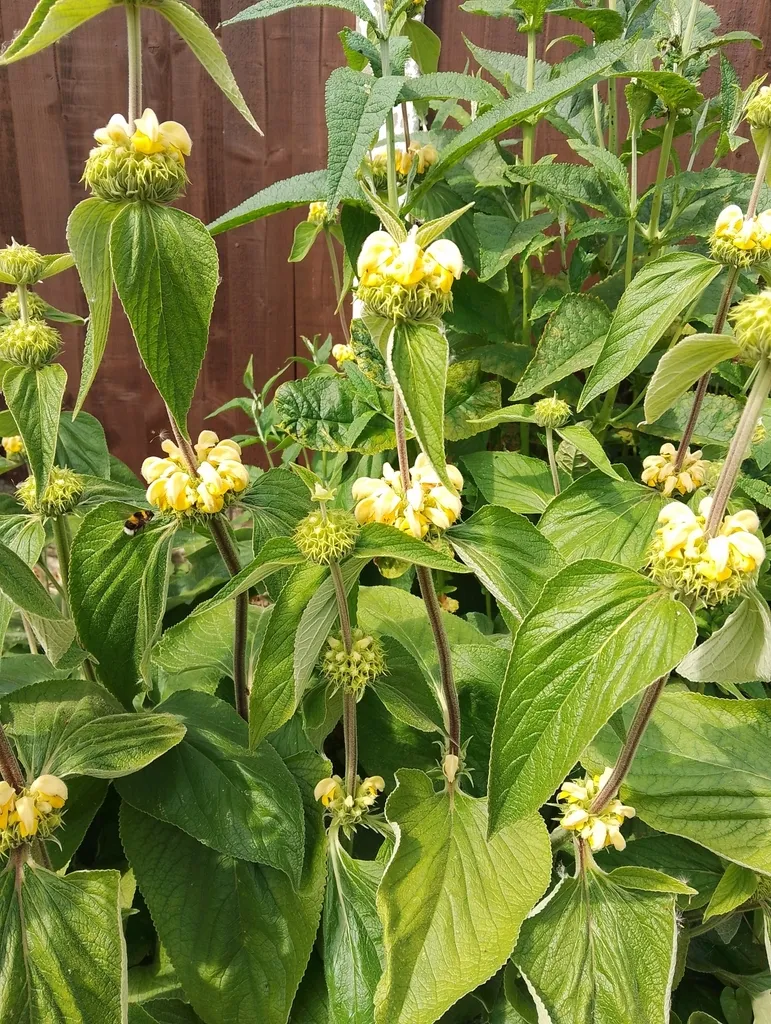
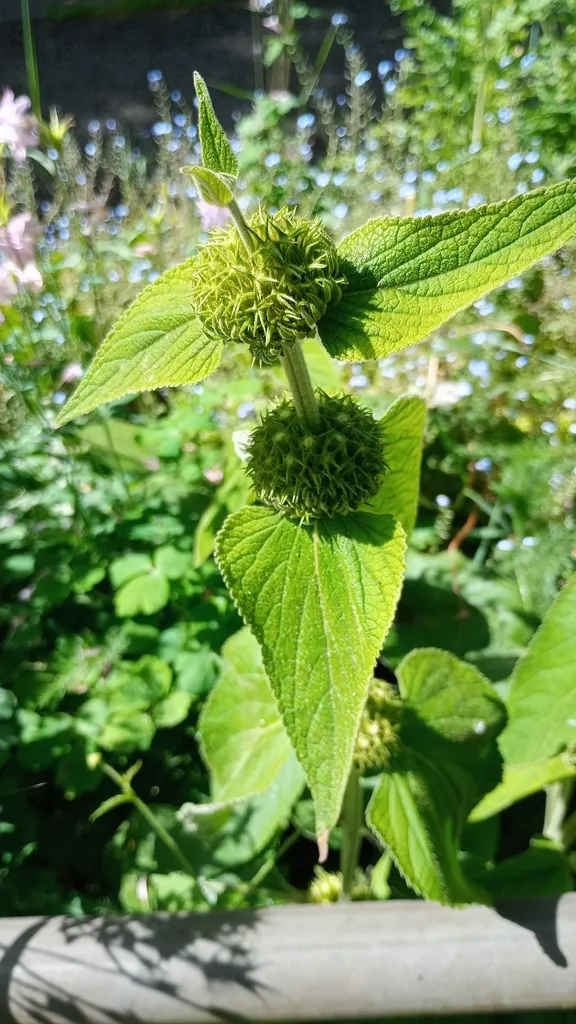
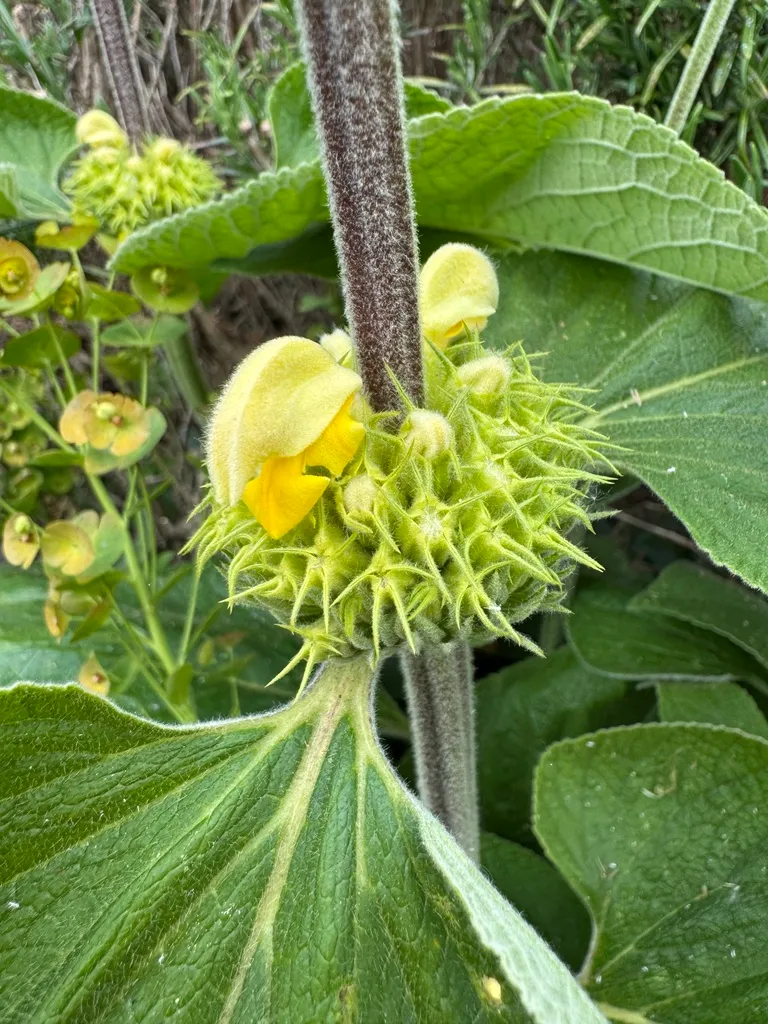
| Care difficulty | 1 / 5 |
|---|---|
| Watering schedule | Moderate regular watering, allowing brief slight drying between soakings |
| Sunlight requirements | Full sun |
| Ideal temperature | 15 – 25 °C |
| Soil type | Chalk · Loam · Sand |
| Soil pH | Acid · Alkaline · Neutral |
| Soil moisture | Moist but well drained · Well drained |
| Fertilizing | Balanced perennial feed every four weeks from spring through summer |
| Toxicity | Information to be completed |
How to Water Turkish sage?
Thriving in its native rocky and scrub lands, turkish sage is well-adapted to environments with occasional droughts, exhibiting a notable resilience to infrequent watering. This species prefers a balance of moisture without over-saturation, aligning with its watering every week routine to maintain optimal health. As an outdoor plant, turkish sage demonstrates adaptability across various climate zones, but particularly excels in regions where it can benefit from the seasonal rains that complement its natural growth cycles.
Learn more →What Are the Sunlight Requirements for Turkish sage?
Full sun
Learn more →What Is the Ideal Temperature Range for Turkish sage?

Turkish sage demonstrates significant resilience to temperature fluctuations. This plant can tolerate cold temperatures down to -5℃ (23℉) and heat up to 41℃ (106℉). Such tolerance means it can thrive in diverse climates but may require some protective measures during extreme weather conditions. In cold weather, turkish sage might show signs of frost damage, whereas in excessive heat, it may exhibit wilting or scorched leaves. To counteract these effects, mulching can help insulate roots against the cold, while watering and shade cloths can protect it from overheating. Understanding turkish sage's temperature adaptability is crucial for its successful cultivation.
Learn more →What Soil Is Best for Turkish sage?
- Soil type
- Chalk · Loam · Sand
- Soil pH
- Acid · Alkaline · Neutral
What Are the Moisture Requirements for Turkish sage?
Moist but well drained · Well drained
Learn more →How to Fertilize Turkish sage?

Fertilize turkish sage biannually with a balanced fertilizer to support its growth and flowering. Apply in early spring as growth resumes and again in mid-summer to bolster the second bloom. Use the manufacturer's recommended amount for perennials. Avoid over-fertilization, which can hinder turkish sage's natural hardiness. Adjust feeding based on soil fertility, with poor soils needing more frequent applications. Water thoroughly after feeding to distribute nutrients.
Learn more →How to Prune Turkish sage?

Turkish sage is a perennial with distinct, whorled flower spikes and velvety leaves. Prune in early spring to remove dead stems and promote vigorous new growth. Trim back spent flower spikes in late spring to encourage a second bloom. Avoid heavy pruning, as it can reduce flowering. Regular pruning helps maintain shape, control size, and improve air circulation, reducing disease risk. Use sanitized tools to prevent fungal infections and always prune just above a leaf node for optimal regrowth.
Learn more →How to Propagate Turkish sage?

Turkish sage is effectively propagated by sowing its seeds. Gardeners should use well-draining soil to ensure proper root development. It is important to maintain moisture without overwatering to prevent rot. Covering the seeds lightly with soil can protect them and provide the darkness needed for germination. Consistent care during the early growth stages will facilitate strong establishment for this hardy perennial.
Learn more →How to Transplant Turkish sage?
Turkish sage thrives when transplanted in early spring or from late autumn to early winter due to cooler temperatures. Choose a sunny to partially shaded spot with well-drained soil for optimal growth. This timing minimizes stress and encourages robust development.
Learn more →How to Plant Turkish sage?
Grow in fertile, well-drained soil in full sun; will tolerate partial shade
Learn more →Common Pests & Diseases

Diseases
May be susceptible to honey fungus (rarely)
Pests
May be susceptible to leafhoppers
Explore the plant health library →