



Planting and Growing long-leaved Jerusalem sage

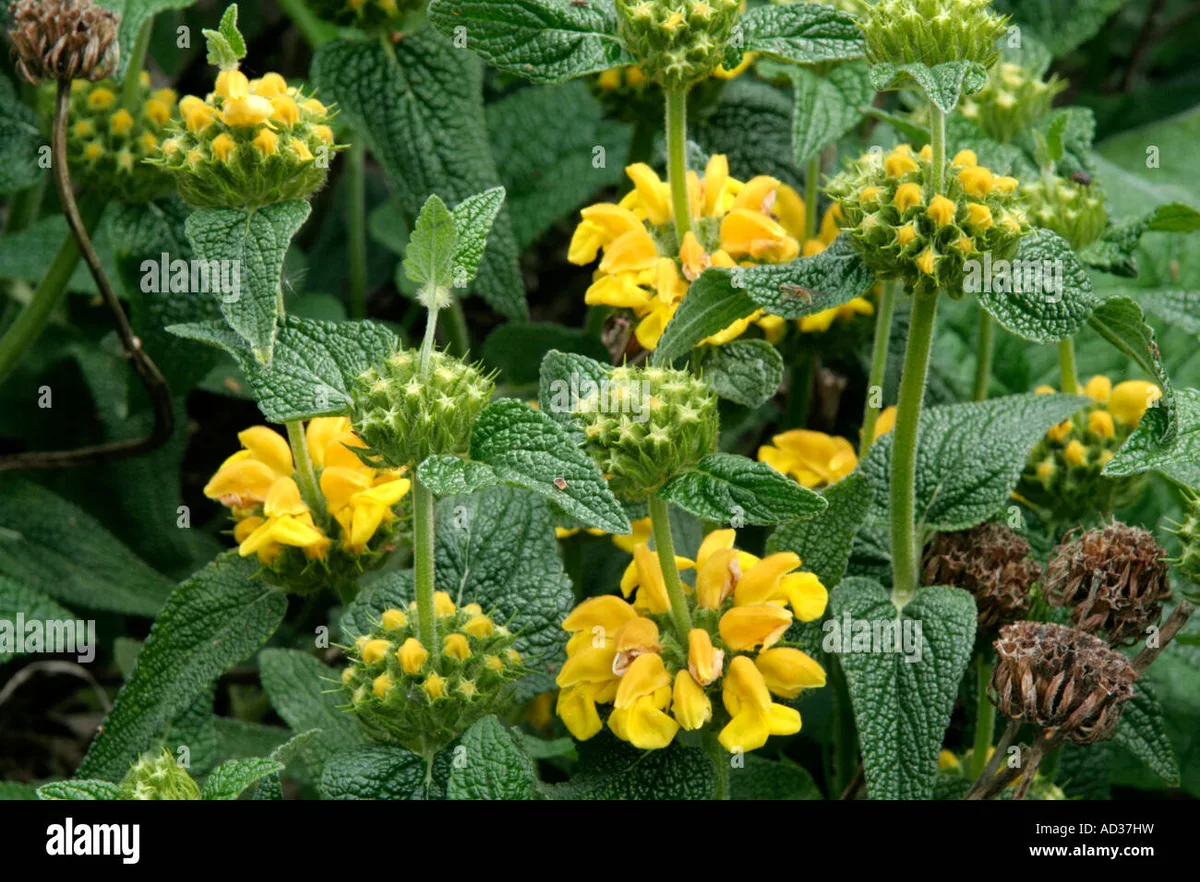
| Care difficulty | 2 / 5 |
|---|---|
| Watering schedule | Tolerates mild drought, water deeply only after soil fully dries out |
| Sunlight requirements | Full sun |
| Ideal temperature | Information to be completed |
| Soil type | Chalk · Loam · Sand |
| Soil pH | Acid · Alkaline · Neutral |
| Soil moisture | Moist but well drained · Well drained |
| Fertilizing | Minimal diluted general fertilizer once monthly during active growth |
| Toxicity | Information to be completed |
How to Water long-leaved Jerusalem sage?
Tolerates mild drought, water deeply only after soil fully dries out
Learn more →What Are the Sunlight Requirements for long-leaved Jerusalem sage?
Full sun
Learn more →What Soil Is Best for long-leaved Jerusalem sage?
- Soil type
- Chalk · Loam · Sand
- Soil pH
- Acid · Alkaline · Neutral
What Are the Moisture Requirements for long-leaved Jerusalem sage?
Moist but well drained · Well drained
Learn more →How to Fertilize long-leaved Jerusalem sage?

Minimal diluted general fertilizer once monthly during active growth
Learn more →How to Prune long-leaved Jerusalem sage?

Use light pruning to remove unwanted or damaged growth. For early-flowering types, prune after flowering; for late-flowering types, prune in mid- to late spring.
Learn more →How to Propagate long-leaved Jerusalem sage?

Propagate by softwood cuttings in summer or division in the spring. Propagate by seed in late spring under cover
Learn more →How to Plant long-leaved Jerusalem sage?
Needs well-drained soil in a sunny, sheltered position - will only tolerate a few degrees of frost
Learn more →Common Pests & Diseases

Diseases
May be susceptible to honey fungus (rarely)
Pests
May be susceptible to leafhoppers
Explore the plant health library →