



Planting and Growing Korean cranesbill

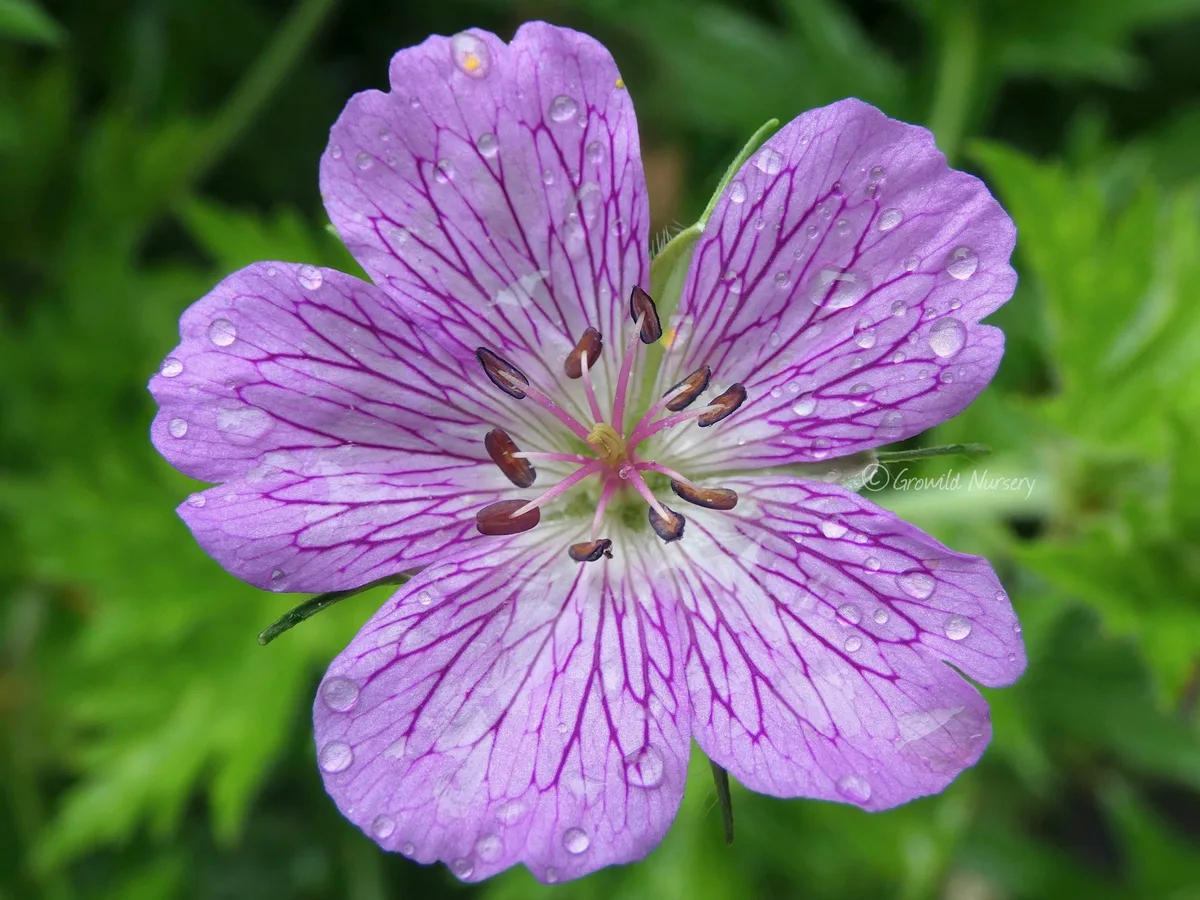
| Care difficulty | 2 / 5 |
|---|---|
| Watering schedule | Keep soil lightly moist, cut watering volume once cool autumn arrives |
| Sunlight requirements | Full sun · Partial shade |
| Ideal temperature | Information to be completed |
| Soil type | Chalk · Clay · Loam · Sand |
| Soil pH | Acid · Alkaline · Neutral |
| Soil moisture | Moist but well drained |
| Fertilizing | Mild all-purpose fertilizer every three weeks during spring and summer growth |
| Toxicity | Information to be completed |
How to Water Korean cranesbill?
Keep soil lightly moist, cut watering volume once cool autumn arrives
Learn more →What Are the Sunlight Requirements for Korean cranesbill?
Full sun · Partial shade
Learn more →What Is the Ideal Temperature Range for Korean cranesbill?

Information to be completed
Learn more →What Soil Is Best for Korean cranesbill?
- Soil type
- Chalk · Clay · Loam · Sand
- Soil pH
- Acid · Alkaline · Neutral
What Are the Moisture Requirements for Korean cranesbill?
Moist but well drained
Learn more →How to Fertilize Korean cranesbill?

Mild all-purpose fertilizer every three weeks during spring and summer growth
Learn more →How to Prune Korean cranesbill?

No pruning required, but cutting back flowered stems and old leaves may encourage the growth of fresh leaves and flowers
Learn more →How to Propagate Korean cranesbill?

Propagate by seed, sown in containers outdoors as soon as seed is ripe or in spring; by division in spring; or by basal softwood cuttings taken in spring and rooted with bottom heat
Learn more →How to Transplant Korean cranesbill?
Information to be completed
Learn more →How to Care for Korean cranesbill in Winter?

Information to be completed
Learn more →How to Plant Korean cranesbill?
Grow in sun or partial shade in moist but well-drained soil
Learn more →How to Repot Korean cranesbill?
Information to be completed
Learn more →How to Harvest Korean cranesbill?

Information to be completed
Learn more →Common Pests & Diseases

Diseases
Generally disease-free, but may be affected by a rust, a downy mildew, leafy gall, and virus diseases; may also be affected by powdery mildews in dry conditions
Pests
Generally pest-free, but may be affected by capsid bug, geranium sawfly, vine weevil, slugs and snails, and rabbits
Explore the plant health library →The Toxicity of Korean cranesbill
Information to be completed