
Korean cranesbill
Also known as: Information to be completed
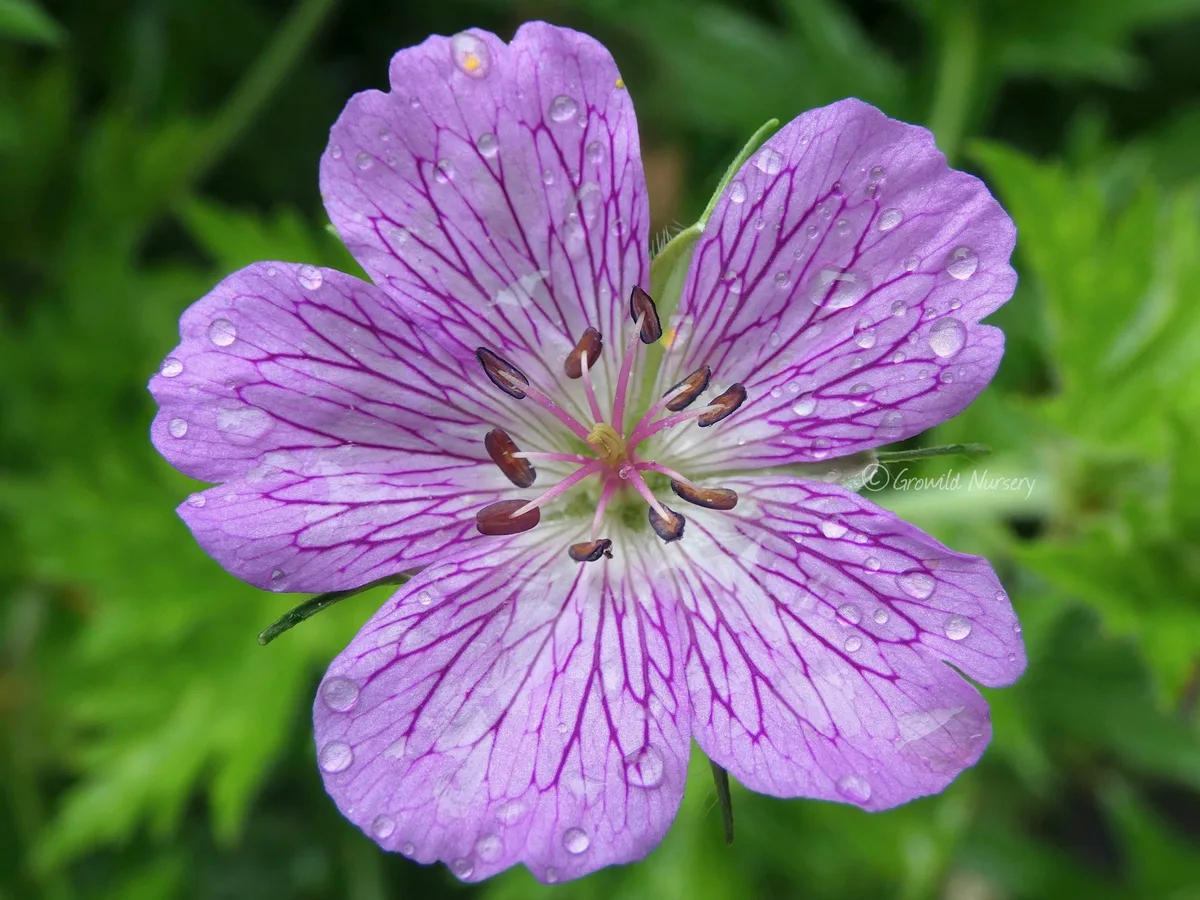
A herbaceous perennial, up to 60cm high and wider than it is high, with palmate, mottled green leaves, and lilac-pink flowers, netted with darker purplish veins, and with white centres, from midsummer to autumn
Scientific classification
- Species
- Korean cranesbill (Geranium koraiense)
- Genus
- Geranium
- Family
- Geraniaceae
- Information to be completed
- Toxicity
- Herbaceous Perennial
- Plant type
- 0.5-1 metres
- Height
- 1-1.5 metres
- Spread
- Deciduous
- Foliage
- Clump forming
- Habit
- Spring · Summer · Autumn
- Season of interest
- Full sun · Partial shade
- Sunlight
- Information to be completed
- Ideal temperature









Korean cranesbill pictures
Distribution of Korean cranesbill
Distribution map
Korea
Information to be completed
Culture
Information to be completed
Toxicity
Information to be completed
Quick identification of Korean cranesbill
Information to be completed
Korean cranesbill care guide
- Keep soil lightly moist, cut watering volume once cool autumn arrives
- Watering
- Full sun · Partial shade
- Sunlight
- Information to be completed
- Ideal temperature

Watering
Keep soil lightly moist, cut watering volume once cool autumn arrives
Fertilizing
 Fertilizing
Mild all-purpose fertilizer every three weeks during spring and summer growth
Pruning
 Pruning
No pruning required, but cutting back flowered stems and old leaves may encourage the growth of fresh leaves and flowers
Propagation
 Propagation
Propagate by seed, sown in containers outdoors as soon as seed is ripe or in spring; by division in spring; or by basal softwood cuttings taken in spring and rooted with bottom heat
Growing
 Growing
Grow in sun or partial shade in moist but well-drained soil
People also ask
Information to be completed
Common pests and diseases
Diseases
Generally disease-free, but may be affected by a rust, a downy mildew, leafy gall, and virus diseases; may also be affected by powdery mildews in dry conditions
Pests
Generally pest-free, but may be affected by capsid bug, geranium sawfly, vine weevil, slugs and snails, and rabbits
Explore the plant health library →




