



Planting and Growing pheasant's tail grass

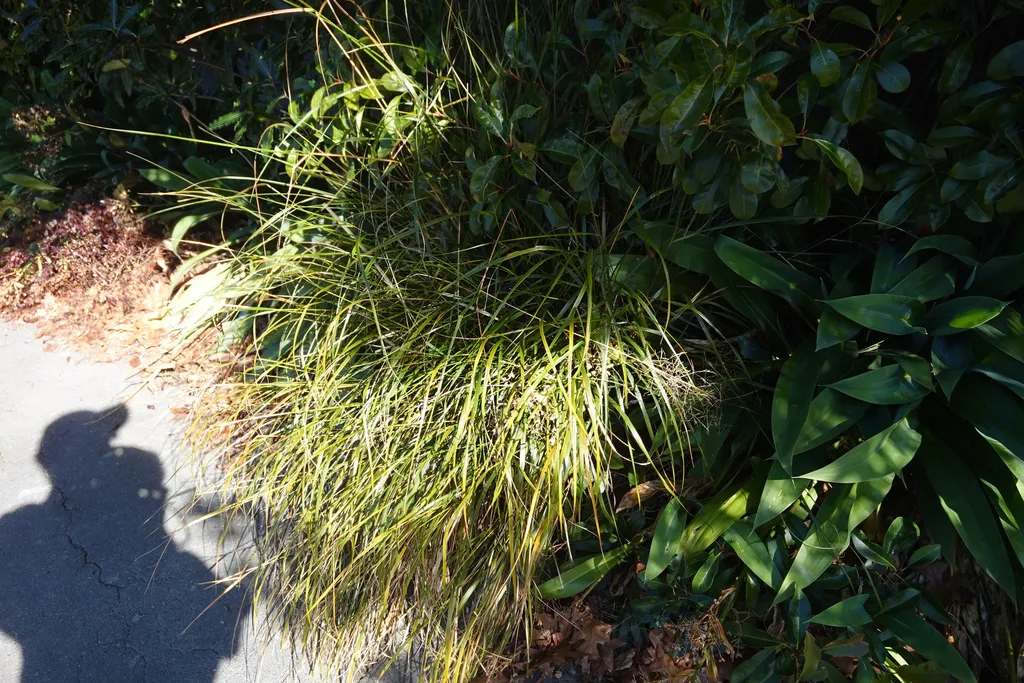
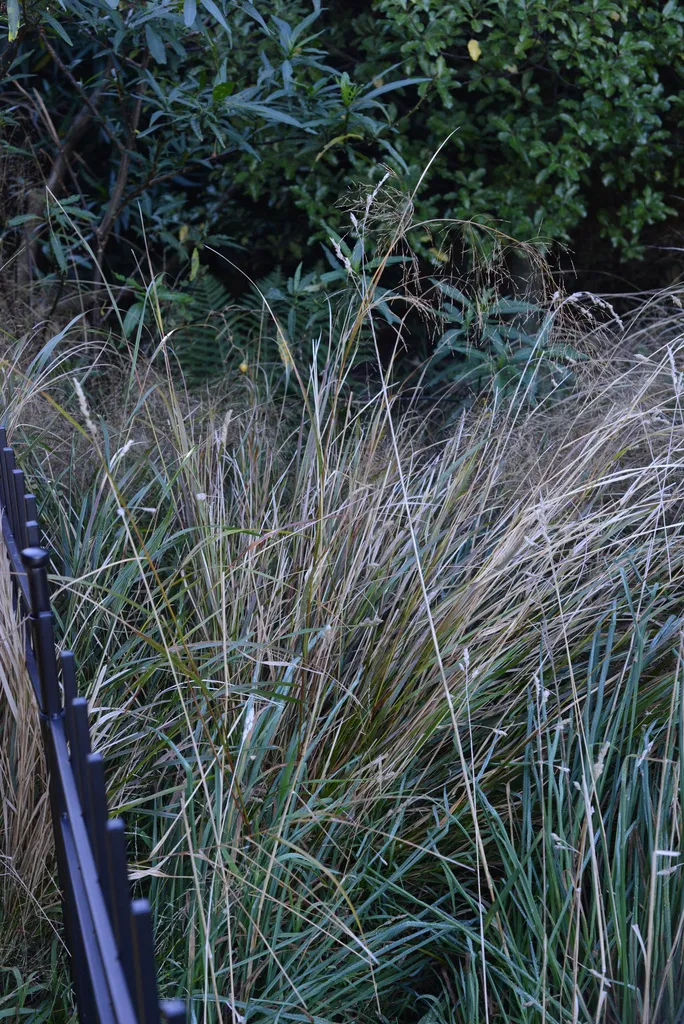
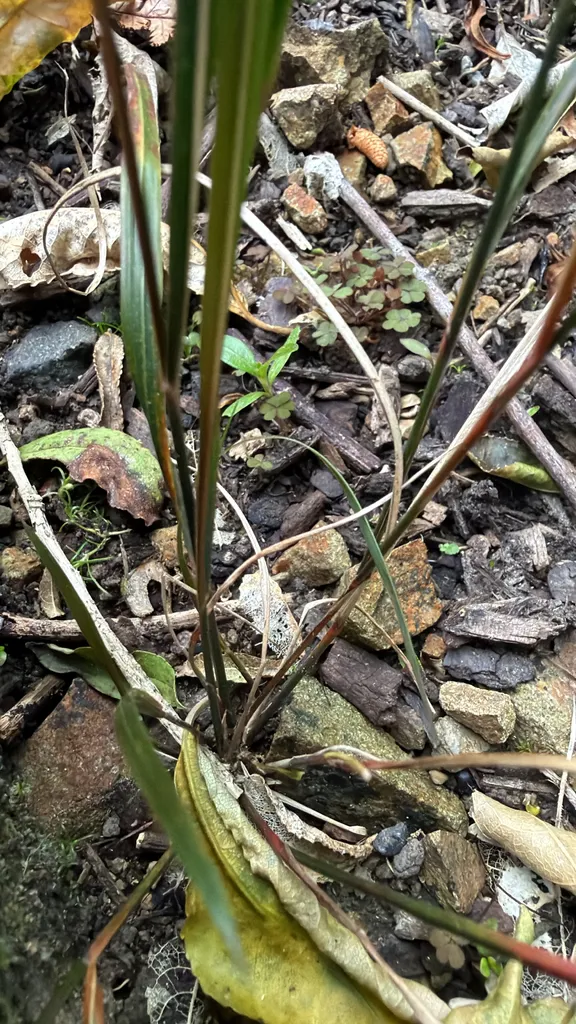
| Care difficulty | 2 / 5 |
|---|---|
| Watering schedule | Water moderately, tolerate brief dry periods between watering cycles |
| Sunlight requirements | Full sun · Partial shade |
| Ideal temperature | Information to be completed |
| Soil type | Chalk · Clay · Loam · Sand |
| Soil pH | Acid · Alkaline · Neutral |
| Soil moisture | Moist but well drained · Well drained |
| Fertilizing | Weak grass fertilizer every six weeks through warm growing months |
| Toxicity | Information to be completed |
How to Water pheasant's tail grass?
Water moderately, tolerate brief dry periods between watering cycles
Learn more →What Are the Sunlight Requirements for pheasant's tail grass?
Full sun · Partial shade
Learn more →What Soil Is Best for pheasant's tail grass?
- Soil type
- Chalk · Clay · Loam · Sand
- Soil pH
- Acid · Alkaline · Neutral
What Are the Moisture Requirements for pheasant's tail grass?
Moist but well drained · Well drained
Learn more →How to Fertilize pheasant's tail grass?

Weak grass fertilizer every six weeks through warm growing months
Learn more →How to Prune pheasant's tail grass?

Comb out dead and winter damaged leaves in early spring
Learn more →How to Propagate pheasant's tail grass?

Propagate by seed in containers in a cold frame in spring. Propagate by division from mid-spring to early summer
Learn more →How to Plant pheasant's tail grass?
Grow in moderately fertile, medium to light well-drained soil in full sun. Tolerant of partial shade and heavier soils and temperatures down to around -10°C (14°F) for short periods. May have the potential to become a nuisance due to prolific self-seeding if not managed well
Learn more →Common Pests & Diseases

Diseases
Generally trouble free
Pests
Generally trouble free
Explore the plant health library →