
pheasant's tail grass
Also known as: New Zealand wind grass; pheasant grass; bent grass
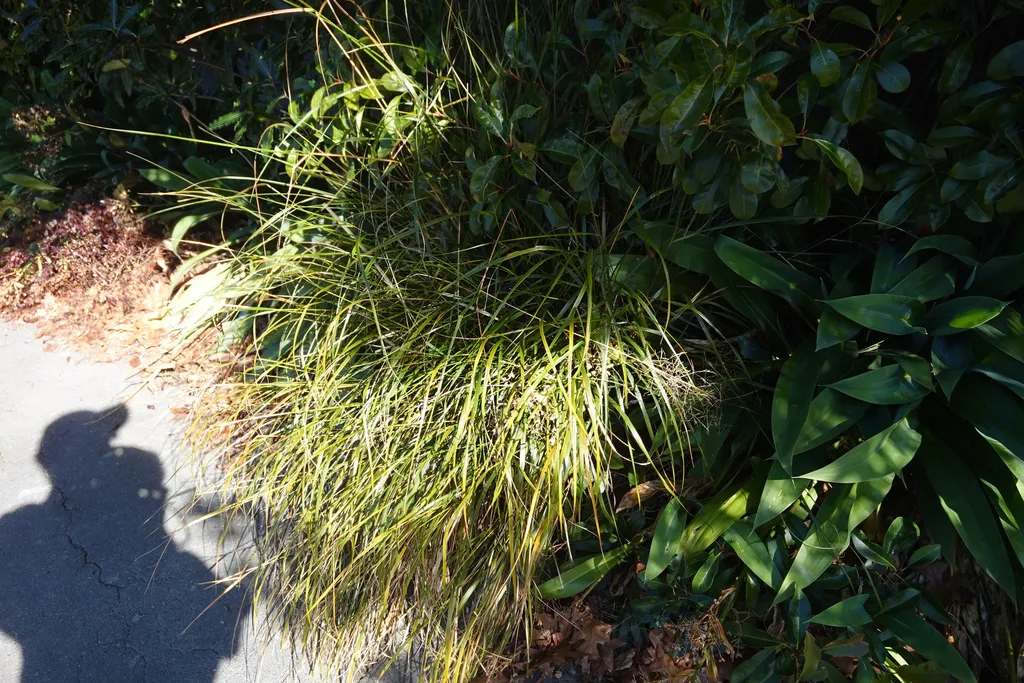
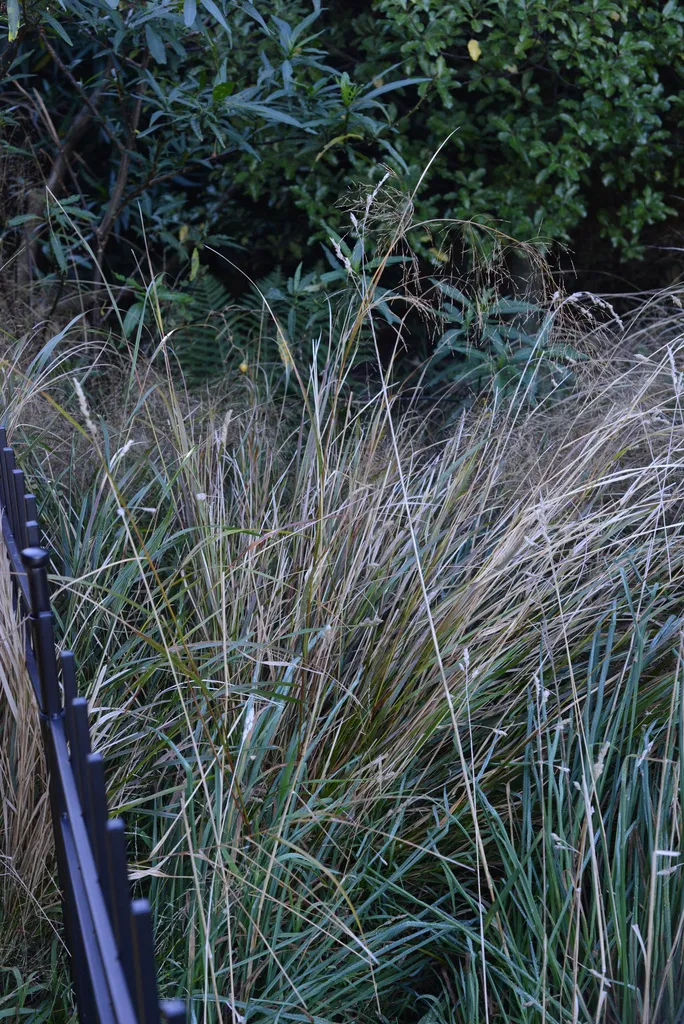
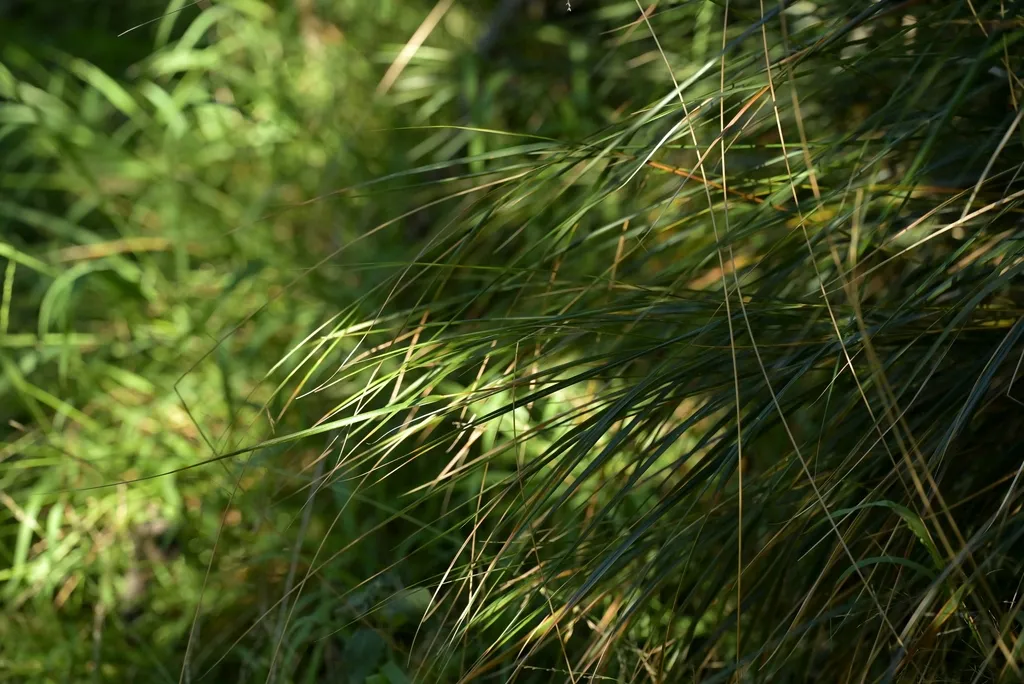
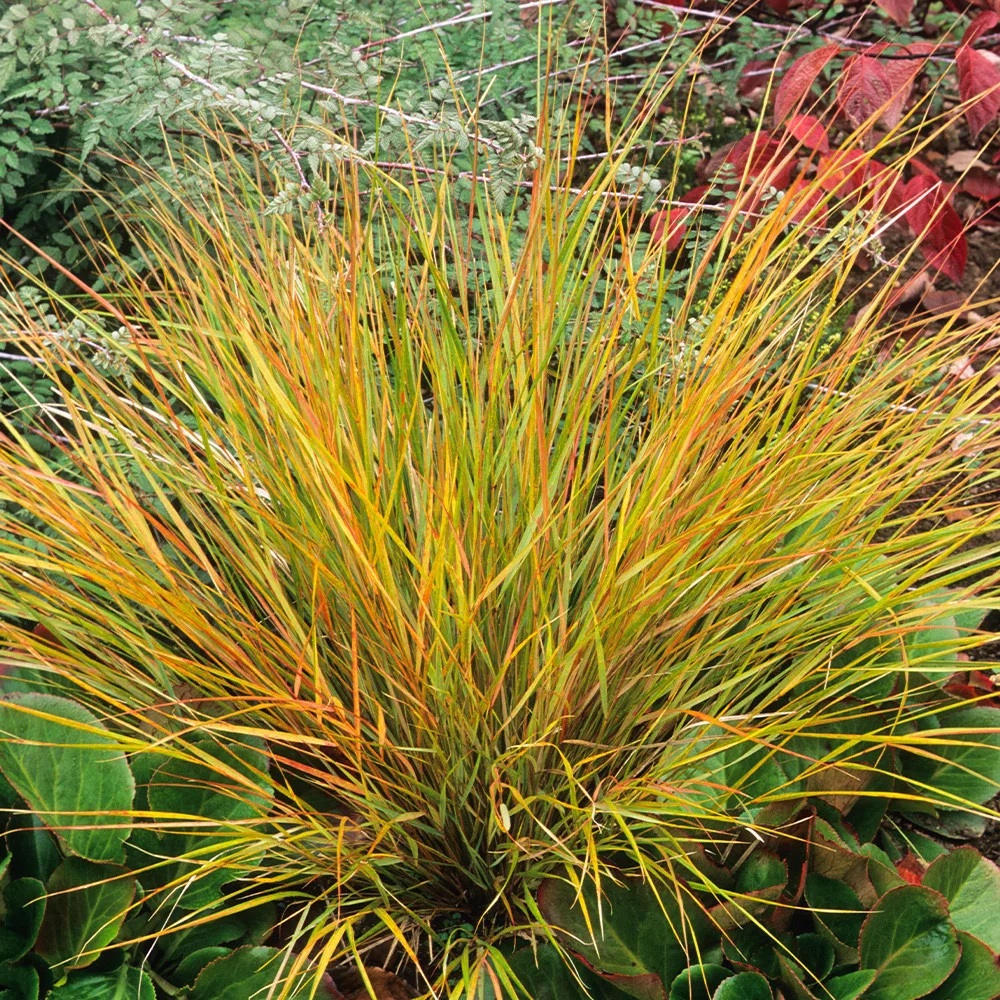
An elegant clump-forming grass with narrow arching leaves, becoming tinged with red or orange in summer and autumn, and airy arching sprays of red-brown flowers in late summer
Scientific classification
- Species
- pheasant's tail grass (Anemanthele lessoniana)
- Genus
- Anemanthele
- Family
- Poaceae
- Order
- Poales
- Class
- Liliopsida
- Phylum
- Magnoliophyta
- Information to be completed
- Toxicity
- Grass Like
- Plant type
- 0.5-1 metres
- Height
- 1-1.5 metres
- Spread
- Semi evergreen
- Foliage
- Bushy
- Habit
- Spring · Summer · Autumn · Winter
- Season of interest
- Full sun · Partial shade
- Sunlight
- Information to be completed
- Ideal temperature









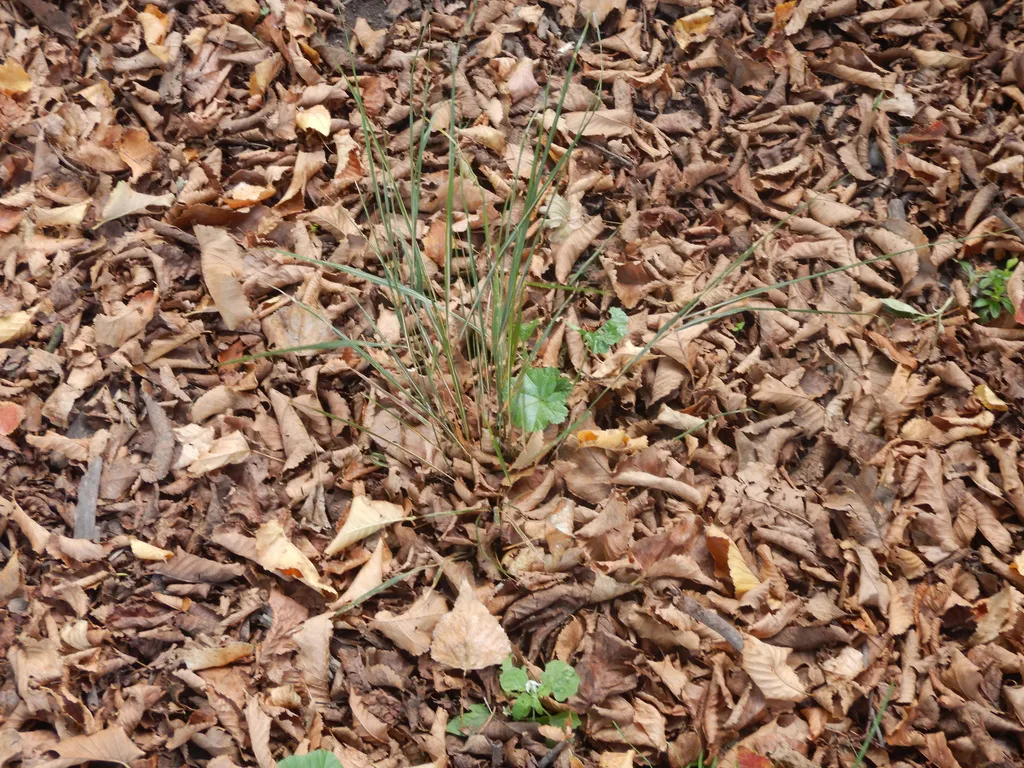
pheasant's tail grass pictures
Distribution of pheasant's tail grass
Distribution map
- Native
- Introduced
- Cultivated
Source:WCVP v16 · Royal Botanic Gardens, Kew · CC BY 3.0 · Boundaries:WGSRPD / TDWG
pheasant's tail grass care guide
- Water moderately, tolerate brief dry periods between watering cycles
- Watering
- Full sun · Partial shade
- Sunlight

Watering
Water moderately, tolerate brief dry periods between watering cycles
Fertilizing
 Fertilizing
Weak grass fertilizer every six weeks through warm growing months
Pruning
 Pruning
Comb out dead and winter damaged leaves in early spring
Propagation
 Propagation
Propagate by seed in containers in a cold frame in spring. Propagate by division from mid-spring to early summer
Growing
 Growing
Grow in moderately fertile, medium to light well-drained soil in full sun. Tolerant of partial shade and heavier soils and temperatures down to around -10°C (14°F) for short periods. May have the potential to become a nuisance due to prolific self-seeding if not managed well
Common pests and diseases
Diseases
Generally trouble free
Pests
Generally trouble free
Explore the plant health library →




