



Planting and Growing aluminum plant

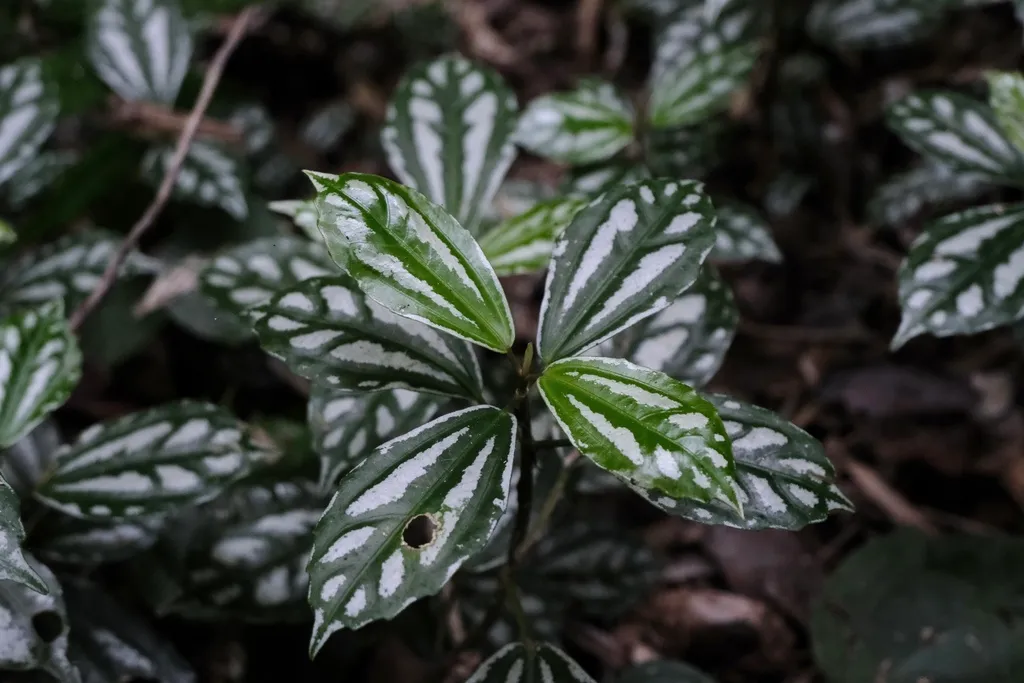
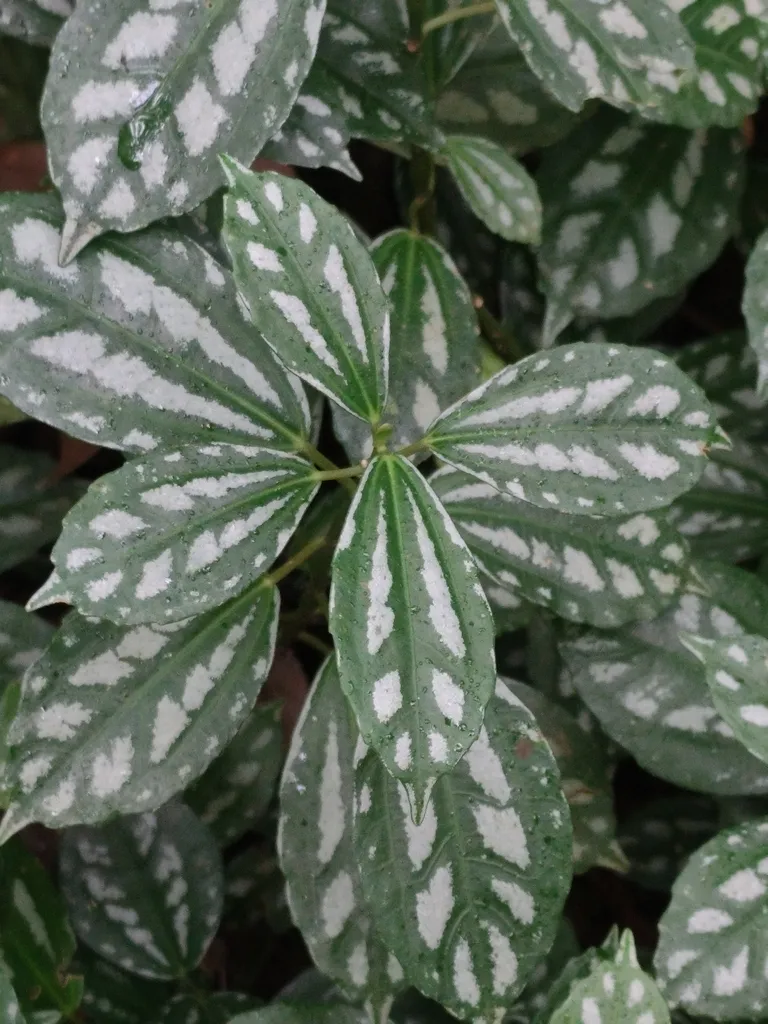
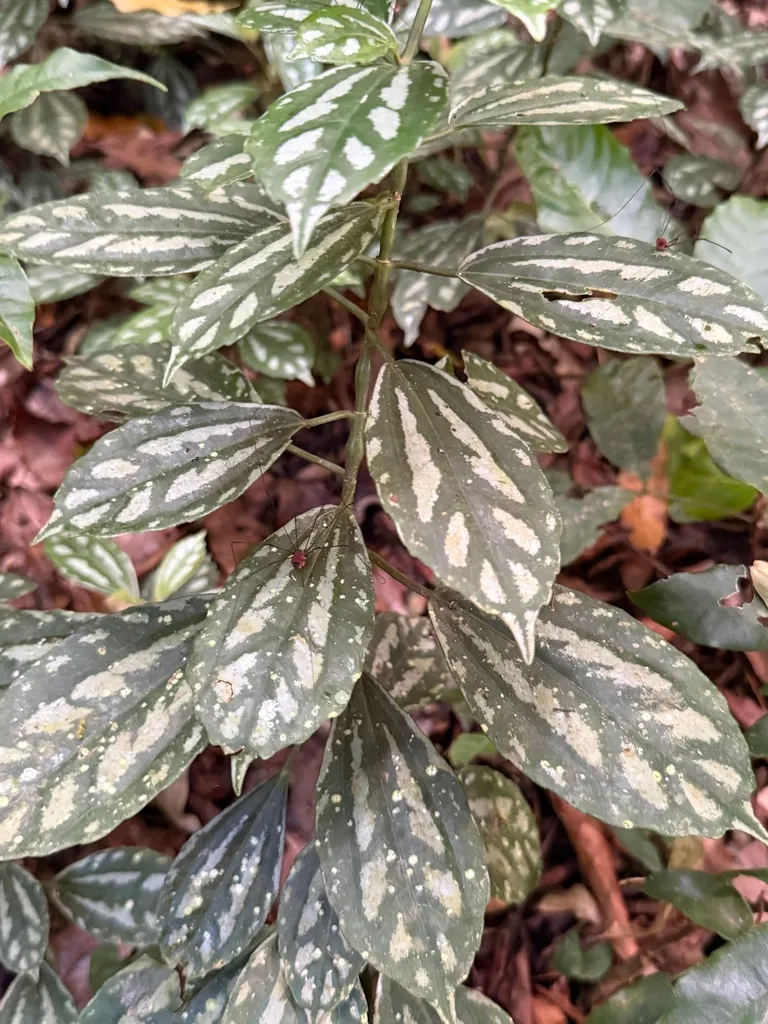
| Care difficulty | 2 / 5 |
|---|---|
| Watering schedule | Keep soil consistently moist |
| Sunlight requirements | Full shade · Partial shade |
| Ideal temperature | 18 – 27 °C |
| Soil type | Loam |
| Soil pH | Acid · Alkaline · Neutral |
| Soil moisture | Moist but well drained |
| Fertilizing | Monthly during growing season |
| Toxicity | Information to be completed |
How to Water aluminum plant?
Originating from the damp underbrush of tropical regions, aluminum plant thrives in environments with consistent moisture. This species exhibits a preference for regular hydration without being waterlogged, maintaining a balance that supports its lush foliage. Watering every week is ideal to mimic its natural habitat's conditions. As an evergreen plant commonly grown indoors, aluminum plant benefits greatly from periodic misting to replicate the high humidity it loves, ensuring vibrant growth throughout the year.
Learn more →What Are the Sunlight Requirements for aluminum plant?
Aluminum plant thrives in bright, indirect light but is also capable of growing in partial sunlight. It prefers to avoid intense direct sunlight, as this can scorch its leaves, causing damage and impacting its health. Optimal growth is observed when aluminum plant receives consistent light but is sheltered from the harshest midday rays. Indoors, aluminum plant flourishes near windows with sheer curtains or in rooms that receive ample natural light without direct exposure. Outdoors, aluminum plant should be positioned in locations that provide dappled shade, such as under taller plants or in a shaded patio. Its leaves may exhibit changes in color or variegation as a response to light levels, showcasing the plant's adaptability to its lighting environment.
Learn more →What Is the Ideal Temperature Range for aluminum plant?

Aluminum plant exhibits moderate resilience to temperature fluctuations but is more sensitive to cold than heat extremes. Known to tolerate temperatures as low as 5°C (41°F) and as high as 43°C (109°F), its care requirements adapt accordingly. Cold conditions may cause leaf drop and discoloration, while excessive heat can lead to wilting and scorched leaves. Protective measures such as indoor placement during winters and adequate watering during heat waves are essential. For overcooling, move aluminum plant to a warmer spot, and for overheating, provide shade and increase humidity. Such adaptability makes aluminum plant a suitable choice for various environments with proper care adjustments.
Learn more →What Soil Is Best for aluminum plant?
Aluminum plant requires well-draining soil to prevent root rot. A suitable soil mix includes two parts peat moss with one part perlite or sand to enhance aeration. For drainage, a layer of gravel at the pot's bottom is beneficial. Incorporate slow-release fertilizer or a balanced liquid fertilizer monthly during the growing season for optimal growth. If peat moss is unavailable, cocopeat makes a sustainable alternative. Maintain consistent moisture without soggy conditions.
- Soil type
- Loam
- Soil pH
- Acid · Alkaline · Neutral
What Are the Moisture Requirements for aluminum plant?
Moist but well drained
Learn more →How to Fertilize aluminum plant?

For healthy growth, aluminum plant thrives with fertilization every 4-6 weeks using high nitrogen fertilizers. A balanced, water-soluble option, diluted to half-strength, benefits aluminum plant by encouraging lush foliage without overwhelming it. During the growing season, spring to fall, consistent feeding optimizes vigor. In winter, reduce frequency, as aluminum plant's growth slows. Apply directly to the soil, avoiding direct contact with leaves to prevent burn. With proper fertilization, aluminum plant maintains its vibrant, metallic-hued leaves, a sign of robust health.
Learn more →How to Prune aluminum plant?

Aluminum plant, known for its striking silver-patterned leaves, thrives with regular pruning to encourage bushier growth. Prune in early to late spring when new growth starts. Trim leggy stems back to the base or just above a leaf node. Regularly remove any dead or yellowing leaves to promote healthy air circulation. Pruning not only maintains the plant’s shape but also stimulates new growth, ensuring a fuller, more attractive appearance.
Learn more →How to Propagate aluminum plant?

The aluminum plant propagates easily from cuttings during the ideal warm seasons of spring and summer. Patience is essential as successful propagation is marked by new root and shoot growth. Keep the cuttings moist and provide bright, indirect sunlight.
Learn more →How to Transplant aluminum plant?
The perfect time to transplant aluminum plant is during early to mid-spring, as this period supports healthy root establishment. Choose a well-drained location with dappled or partial shade for aluminum plant to thrive. Ensure ample space for future growth and handle its delicate roots with care.
Learn more →How to Care for aluminum plant in Winter?

Aluminum plant hails from the warmth of Vietnam and tropical areas of China, naturally not subjected to harsh winter conditions. Inside your home, mimic its native climate for comfort during colder months. Keep aluminum plant sheltered from icy blasts, in temperatures of 60-75°F, and ensure it sees plenty of indirect sunlight. Adjust your watering regime, letting it slightly dry out between rounds. This will treat your aluminum plant to a simulated warm, winter getaway.
Learn more →How to Plant aluminum plant?
Indoors-potted: Cultivate aluminum plant indoors for a lush, metallic foliage display; remember to rotate the pot regularly for even growth. Outdoors-potted: In outdoor pots, aluminum plant enjoys sheltered spots but may not tolerate extreme cold; consider seasonal relocation if necessary. Outdoors-in the ground: Aluminum plant is typically not suited for direct planting outdoors as it thrives in controlled environments; be mindful of local climate compatibility.
Learn more →How to Repot aluminum plant?
Repot aluminum plant every 2-3 years to accommodate its moderate growth as a compact, bushy houseplant. Spring, before active growth, is optimal. Choose a slightly larger container to ensure space for development. Post-repotting, place aluminum plant in indirect light with consistent watering to promote recovery. Regular pruning maintains the metallic foliage's striking appearance. These care points ensure aluminum plant's vigorous health.
Learn more →Common Pests & Diseases

Diseases
Generally disease free
Pests
Generally pest-free
Explore the plant health library →Troubleshooting
Root Rot, Mushy Stems, or Lower Leaf Drop
aluminum plant (Pilea cadierei) has silver-blistered leaves that scorch in direct sun and stems that naturally turn woody at the base; waterlogging and stagnant cool air are the primary causes of collapse.
| What you notice | Possible explanation | What to check next |
|---|---|---|
| Lower stems turn dark, soft, or water-soaked and leaves drop while soil is wet | Overwatering, oversized pot, or heavy poorly drained compost causing root/crown rot | Check pot drainage and feel whether the potting mix stays soggy |
| Leaves look limp and dull while the potting mix is dry and pulling away from pot edges | Underwatering or root-bound soil drying too quickly | Check soil moisture two inches down and observe pot weight |
| Lower leaves yellow and shed on older woody stems while upper tips remain healthy | Natural lower woodiness with age in Pilea cadierei | Inspect top growth vigor and light placement |
- Pot in a light, fast-draining peat-free mix amended with perlite in a container with drainage holes, avoiding oversized pots.
- Allow the top one to two inches of mix to dry slightly between thorough waterings and empty saucers immediately.
- Move into bright, indirect light (filtered east or west exposure) and keep away from cold drafts below 12–15°C (54–59°F).
- Pinch growing tips in spring to promote bushy fullness and root healthy stem cuttings if the base becomes bare.
Stop watering immediately if stems turn soft and black at the base; take clean upper cuttings before rot spreads.
Leaf Scorch, Grey Mould, or Sap-Sucking Pests
Direct sun, wet foliage in stagnant air, or indoor pests like spider mites and aphids can blemish foliage.
| What you notice | Possible explanation | What to check next |
|---|---|---|
| Bleached tan or crispy scorched patches on leaves facing bright windows | Direct sunlight burning shade-adapted foliage | Check whether direct midday or afternoon sun hits the leaves |
| Fuzzy grey mould on damp lower leaves or petioles | Botrytis grey mould in cool, humid, poorly ventilated conditions | Inspect crowded lower foliage near the soil surface |
| Curled new leaves, sticky residue, or fine webbing on leaf undersides | Aphids, mealybugs, or spider mites | Examine shoot tips and leaf undersides closely |
- Filter harsh sunlight with a sheer curtain or move slightly back from sunny windows.
- Water at the soil line rather than over the foliage, and improve air circulation around dense growth.
- Isolate pest-affected plants and wipe leaves or treat with insecticidal soap per label directions.
Keep potted foliage slightly spaced apart so air moves freely around lower petioles.