



Planting and Growing silky wisteria

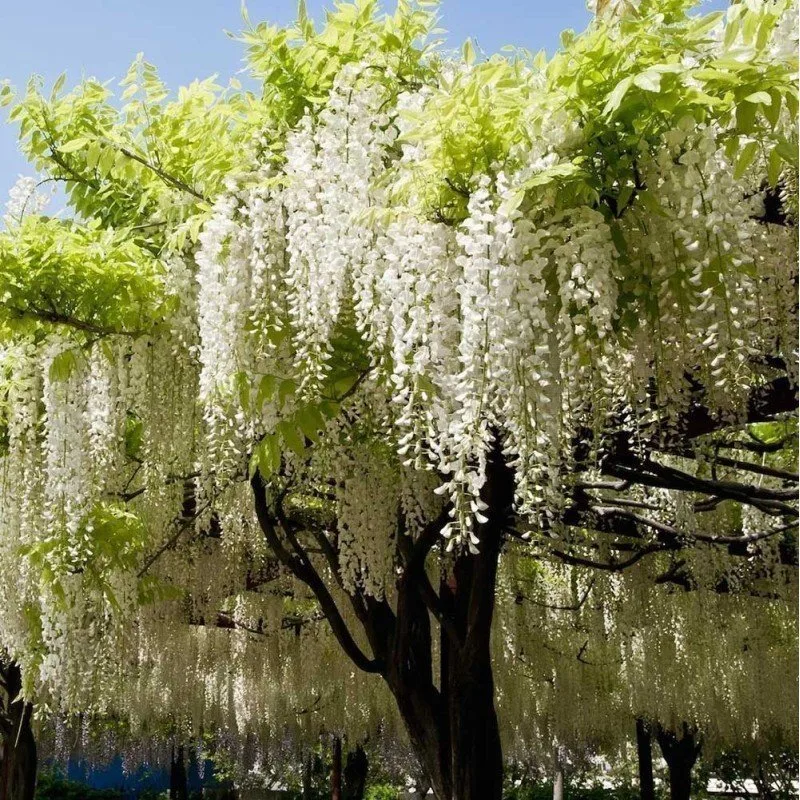
| Care difficulty | 3 / 5 |
|---|---|
| Watering schedule | Deep soak soil as it dries halfway, cut water volume cold winter |
| Sunlight requirements | Full sun · Partial shade |
| Ideal temperature | Information to be completed |
| Soil type | Chalk · Clay · Loam · Sand |
| Soil pH | Acid · Alkaline · Neutral |
| Soil moisture | Moist but well drained |
| Fertilizing | Diluted wisteria climbing feed every four weeks spring through summer |
| Toxicity | Harmful if eaten. Wear gloves and other protective equipment when handling |
How to Water silky wisteria?
Deep soak soil as it dries halfway, cut water volume cold winter
Learn more →What Are the Sunlight Requirements for silky wisteria?
Full sun · Partial shade
Learn more →What Soil Is Best for silky wisteria?
- Soil type
- Chalk · Clay · Loam · Sand
- Soil pH
- Acid · Alkaline · Neutral
What Are the Moisture Requirements for silky wisteria?
Moist but well drained
Learn more →How to Fertilize silky wisteria?

Diluted wisteria climbing feed every four weeks spring through summer
Learn more →How to Prune silky wisteria?

See pruning wisteria
Learn more →How to Propagate silky wisteria?

Propagate by layering, softwood cuttings, hardwood cuttings or grafting
Learn more →How to Plant silky wisteria?
Grow in a fertile, moist, well-drained soil in sun or semi shade. May be trained into a large tree, on a wall, arch or pergola, or as a free-standing half standard. See wisteria growing guide for more advice
Learn more →Common Pests & Diseases

Diseases
May be susceptible to honey fungus (rarely), phytophthora root rot, fungal leaf spot, virus diseases, and powdery mildews
Pests
May be susceptible to aphids, glasshouse red spider mite, scale insects and wisteria scale
Explore the plant health library →The Toxicity of silky wisteria
Harmful if eaten. Wear gloves and other protective equipment when handling