



Planting and Growing coleus

| Care difficulty | 2 / 5 |
|---|---|
| Watering schedule | Moderate regular watering, allowing brief slight drying between soakings |
| Sunlight requirements | Full sun |
| Ideal temperature | 15 – 25 °C |
| Soil type | Chalk · Clay · Loam · Sand |
| Soil pH | Acid · Alkaline · Neutral |
| Soil moisture | Moist but well drained |
| Fertilizing | Balanced perennial feed every four weeks from spring through summer |
| Toxicity | Information to be completed |
How to Water coleus?
Thriving in the high humidity of its tropical origins, common coleus has adapted to require consistent moisture. It exhibits a preference for evenly moist soil, reflecting its intolerance to drought. Watering every week is optimal to maintain its lush foliage. Typically grown as an ornamental indoor plant, common coleus benefits from higher humidity levels which can be achieved by regular misting or placing it on a water-filled pebble tray, especially during dry winter months when indoor heating can reduce ambient moisture.
Learn more →What Are the Sunlight Requirements for coleus?
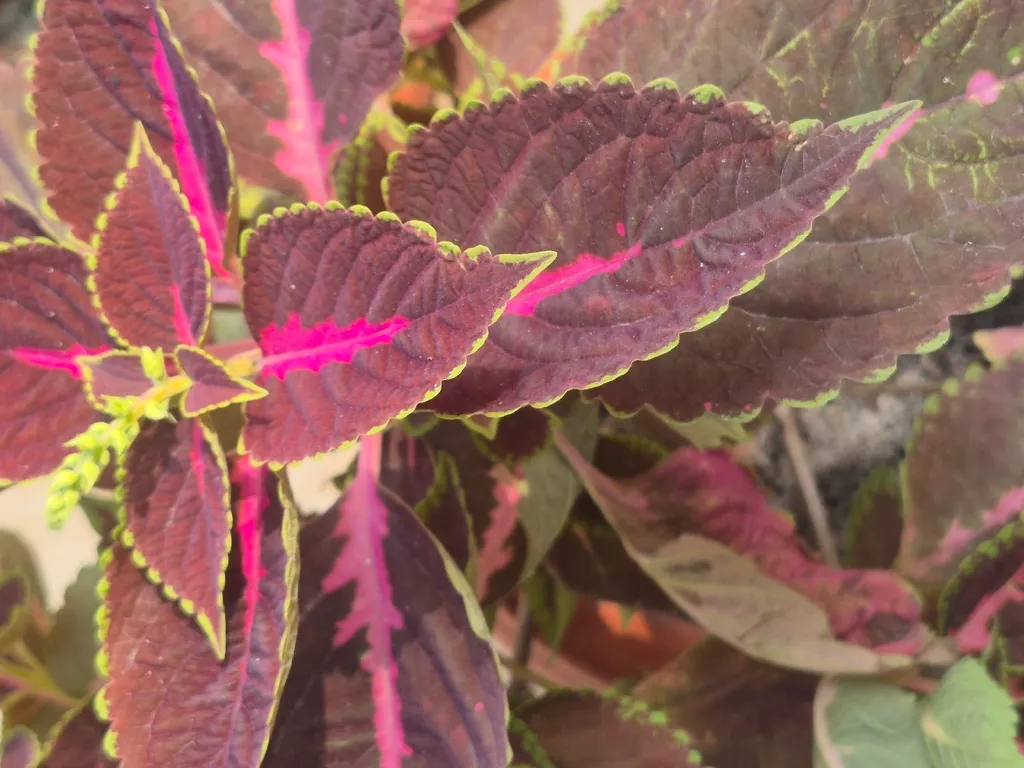
Common coleus thrives in conditions with partial sun, requiring bright but indirect light for optimal growth. Prolonged exposure to full sun may be tolerated but can lead to faded foliage colors and possible leaf scorch. Common coleus's unique foliage often exhibits vibrant coloration that is most vivid and brilliant when the plant receives the right balance of light. Indoors, common coleus benefits from being positioned near east or north-facing windows. Outdoors, they should be planted in spots where they can be protected from the harsh afternoon sun, such as under trees with dappled shade.
Learn more →What Is the Ideal Temperature Range for coleus?

Common coleus demonstrates notable sensitivity to temperature changes. It tolerates temperatures from 0℃ (32℉) to 43℃ (110℉). In colder conditions, common coleus may exhibit leaf discoloration and wilting; extreme heat can cause leaf burn and drooping. Protection measures like indoor placement or shading are critical during cold snaps or heatwaves to prevent damage. Its sensitivity outlines the need for a controlled environment, highlighting the plant's ideal suitability for indoor or shaded garden cultivation where temperature extremes are mitigated.
Learn more →What Soil Is Best for coleus?
The optimum soil for common coleus should be high quality, fertile and well-draining with a pH range between 6-7 (slightly acidic). The plant is not resistant to drought, so the soil should be moist at all times. Prevent the soil from being waterlogged or cold to avoid root rot. If common coleus is planted in a container, to keep the soil moist, ensure that the pot is not too porous.
- Soil type
- Chalk · Clay · Loam · Sand
- Soil pH
- Acid · Alkaline · Neutral
What Are the Moisture Requirements for coleus?
Moist but well drained
Learn more →How to Fertilize coleus?

For vibrant growth, fertilize common coleus bi-weekly during spring and summer with a high-nitrogen, water-soluble fertilizer at half the recommended strength. This bolsters leaf development and maintains plant vigor. Decrease to monthly in fall, and omit in winter as growth slows. Over-fertilization can burn foliage; ensure soil is moist before application. Container-grown common coleus may require more frequent feeding due to nutrient leaching. Diligent application ensures radiant foliage and robust health for common coleus.
Learn more →How to Prune coleus?

Known for its vibrant foliage, common coleus thrives with regular pruning. Perform pruning in early to late spring to encourage bushier growth and maintain shape. Trim leggy stems and pinch off flower buds to enhance leaf development. Ensure clean cuts with sterilized tools to prevent disease. Pruning not only promotes a fuller appearance but also improves airflow and reduces pest issues. Regular maintenance helps common coleus flourish, keeping it healthy and visually appealing.
Learn more →How to Propagate coleus?

Common coleus is a vibrant, tropical plant with a wide variety of colorful foliage. For successful propagation, stem cuttings are often used. A cutting should include a node, as this is where roots will develop. It’s crucial to maintain a warm, humid environment for the cuttings to thrive. The cuttings should be planted in well-draining soil and kept consistently moist. Indirect light is favorable, as too much direct sunlight can harm the delicate cuttings before they establish roots and new growth.
Learn more →How to Transplant coleus?
The ideal season for transplanting common coleus is mid to late spring or mid to late fall, as these periods offer moderate temperatures for optimal growth. When transplanting, choose a location with bright, indirect sunlight and well-draining soil. Provide ample space for growth and consider adding compost for added nutrients.
Learn more →How to Care for coleus in Winter?

Common coleus hails from the warm climates of Southeast Asia and Indonesia. It naturally retreats into winter dormancy and withstands the season by forming a protective, underground tuber. For over-winter care, gardeners, remember: a tropical native, common coleus could perish in frosty weather. Move it indoors before the temperature plunges and offer plenty of indirect sunlight. Stay vigil with watering to keep its soil barely moist.
Learn more →How to Plant coleus?
Indoors-potted: For a vibrant touch indoors, ensure your potted common coleus is positioned where it can bask in the warmth of your home while avoiding drafty areas. Outdoors-potted: Common coleus thrives outdoors with some shelter; consider placing your potted plant on a patio where it can enjoy fresh air without being battered by the elements. Outdoors-in the ground: In its natural habitat, common coleus prefers to spread out. When planted in the ground outside, give it space to flourish and showcase its colorful foliage.
Learn more →How to Repot coleus?
When repotting common coleus, choose early spring for vibrant growth, as it's a bushy, non-climber reaching medium height. Every 2-3 years suffices due to moderate growth. Select a pot 1-2 inches larger, emphasizing drainage. Post-repotting, ensure ample light but avoid direct sun; consistent moisture is key. A peat-based potting mix will keep common coleus thriving.
Learn more →Common Pests & Diseases

Diseases
Generally disease-free
Pests
May be susceptible to mealybugs, scale insects and glasshouse whitefly
Explore the plant health library →Troubleshooting
Sudden Wilting and Lower Leaf Drop
Coleus scutellarioides (coleus, formerly Solenostemon scutellarioides) is a fast-growing, tender foliage perennial with soft stems that wilts quickly when dry yet rots if left in cold, waterlogged soil.
| What you notice | Possible explanation | What to check next |
|---|---|---|
| Leaves and soft stems droop noticeably while the potting mix feels dry | Underwatering / rapid moisture use in warm weather | Water thoroughly until excess drains from the bottom holes and observe whether stems firm up within hours. |
| Lower leaves turn yellow and drop while potting mix stays wet or cold | Overwatering, poor drainage, or cool temperatures below 13°C to 15°C (55°F to 60°F) | Empty standing water and move potted coleus to a warmer spot above 15°C (60°F). |
- Keep the potting mix evenly moist during active warm growth (watering thoroughly when the top inch feels dry) without letting the container stand in water.
- Grow in a well-draining, humus-rich potting mix with open drainage holes.
- Protect from frost and chilly drafts; indoors, keep in a warm room away from cold windowpanes.
Coleus contains essential oils that are listed as toxic to cats and dogs by the ASPCA if chewed or ingested.
Fading Leaf Colors, Leggy Stems, or Flower Spikes
Vibrant reds, purples, limes, and bronzes on coleus depend on balanced light, while pinching flower spikes keeps the plant compact and leafy.
| What you notice | Possible explanation | What to check next |
|---|---|---|
| Bright foliage patterns turn dull green and stems grow tall and sparse | Insufficient light or lack of pinching | Move the plant to brighter indirect light or morning sun and pinch back stem tips. |
| Bleached or crispy scorched patches appear on leaves in hot afternoon sun | Direct sun scorch on shade-adapted cultivars | Provide afternoon shade or filtered light. |
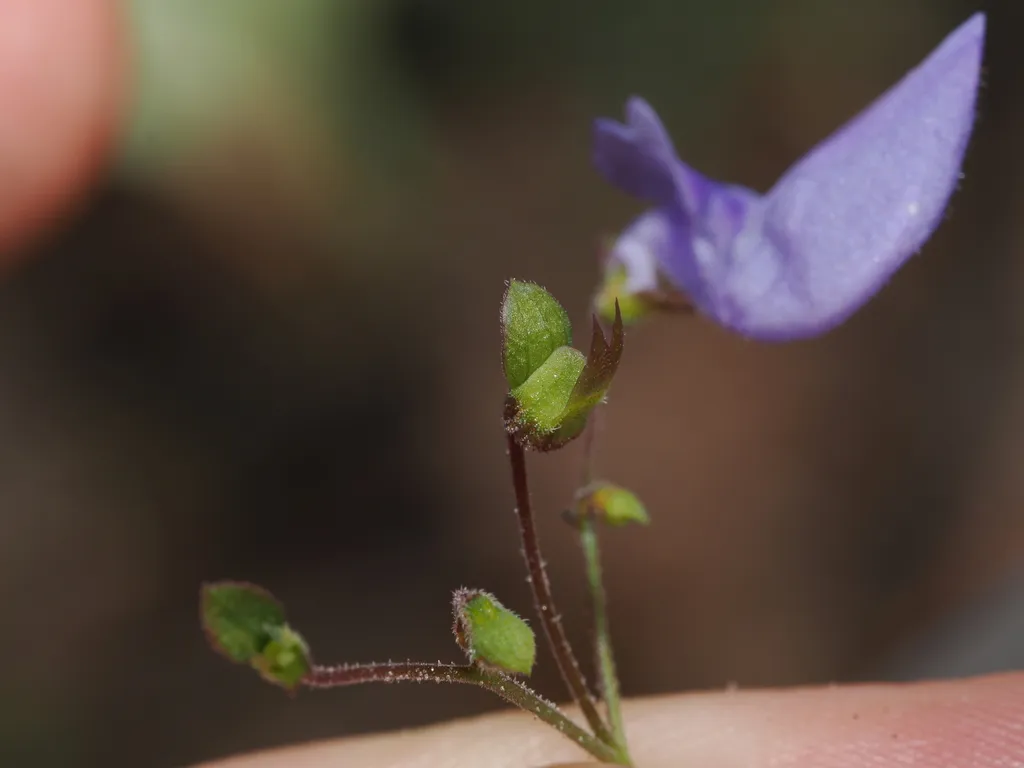
| Tall blue-white flower spikes emerge at stem tips and lower foliage begins thinning | Flowering diverting energy from leaf production | Pinch off flower spikes just above a leaf pair as soon as they form. |
- Place coleus in bright, indirect light or morning sun with afternoon shade (some sun-bred cultivars tolerate more sun once acclimated).
- Pinch growing tips and flower spikes regularly above a leaf node to maintain a dense, bushy mound, and root cut stem tips easily in water or moist mix.
- Feed every 2 to 4 weeks during spring and summer with a balanced liquid fertilizer at half strength, and reduce feeding in winter.
Taking stem cuttings in late summer is an easy way to overwinter prized coleus cultivars indoors in a bright window.