



Planting and Growing toyooka-zasa

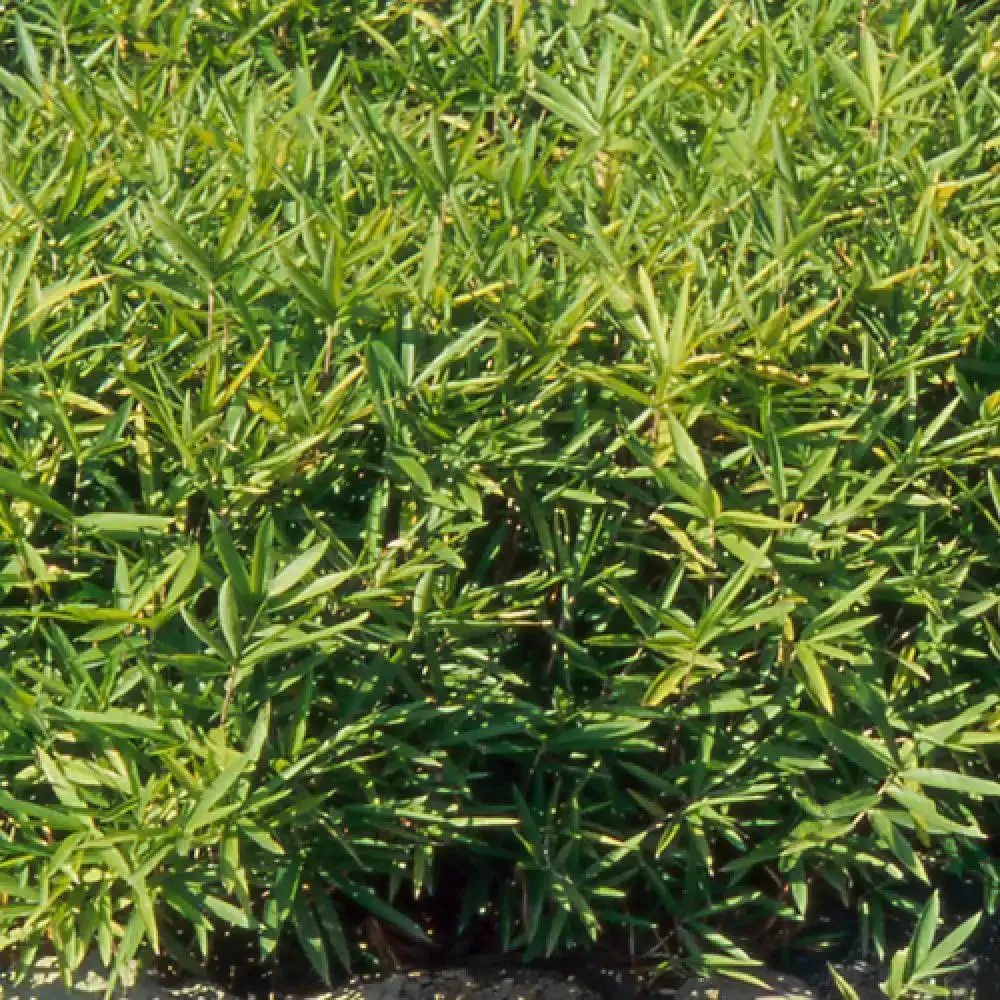
| Care difficulty | 2 / 5 |
|---|---|
| Watering schedule | Water regularly to keep soil evenly moist, but not saturated. |
| Sunlight requirements | Full sun · Partial shade |
| Ideal temperature | Information to be completed |
| Soil type | Clay · Loam · Sand |
| Soil pH | Acid · Alkaline · Neutral |
| Soil moisture | Moist but well drained |
| Fertilizing | Apply a balanced liquid fertilizer once a month during the growing season. |
| Toxicity | Information to be completed |
How to Water toyooka-zasa?
Water regularly to keep soil evenly moist, but not saturated.
Learn more →What Are the Sunlight Requirements for toyooka-zasa?
Full sun · Partial shade
Learn more →What Soil Is Best for toyooka-zasa?
- Soil type
- Clay · Loam · Sand
- Soil pH
- Acid · Alkaline · Neutral
What Are the Moisture Requirements for toyooka-zasa?
Moist but well drained
Learn more →How to Fertilize toyooka-zasa?

Apply a balanced liquid fertilizer once a month during the growing season.
Learn more →How to Prune toyooka-zasa?

Remove weak, dead, damaged or spindly stems in spring and thin to show off stems to best effect. Cut out any flowering shoots promptly to discourage more from forming - see bamboo cultivation
Learn more →How to Propagate toyooka-zasa?

Propagate by division, separate rhizomes in spring, keeping divisions moist until well established
Learn more →How to Plant toyooka-zasa?
Grow in fertile, humus-rich, moist but well-drained soils in full sun or partial shade, with shelter from cold, drying winds. Creeping rootstock can become invasive in warm, moist or favourable conditions and need restraining ; see bamboo control and bamboo cultivation
Learn more →Common Pests & Diseases

Diseases
Generally disease free
Pests
Slugs may damage new shoots
Explore the plant health library →