
toyooka-zasa
Also known as: Information to be completed
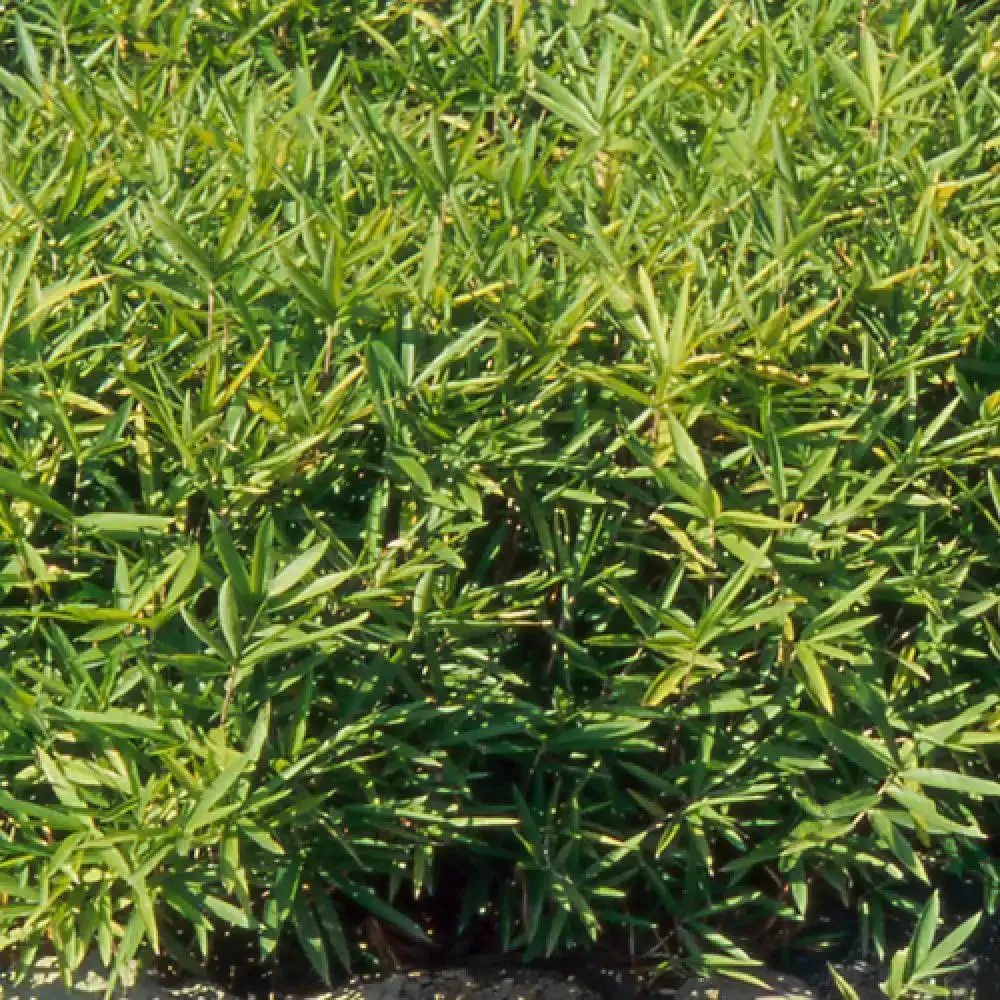
P. humilis is a vigorous, even invasive bamboo, forming low patches or thickets with slender dark green canes to about 1.2m in height, bearing narrow leaves to 20cm in length
Scientific classification
- Species
- toyooka-zasa (Pleioblastus humilis)
- Genus
- Pleioblastus
- Family
- Poaceae
- Order
- Poales
- Class
- Liliopsida
- Phylum
- Magnoliophyta
- Information to be completed
- Toxicity
- Bamboos
- Plant type
- 1.5-2.5 metres
- Height
- 1.5-2.5 metres
- Spread
- Evergreen
- Foliage
- Suckering · Clump forming
- Habit
- Spring · Summer · Autumn · Winter
- Season of interest
- Full sun · Partial shade
- Sunlight
- Information to be completed
- Ideal temperature









toyooka-zasa pictures
Distribution of toyooka-zasa
Distribution map
- Native
- Introduced
- Cultivated
Source:WCVP v16 · Royal Botanic Gardens, Kew · CC BY 3.0 · Boundaries:WGSRPD / TDWG
toyooka-zasa care guide
- Water regularly to keep soil evenly moist, but not saturated.
- Watering
- Full sun · Partial shade
- Sunlight

Watering
Water regularly to keep soil evenly moist, but not saturated.
Fertilizing
 Fertilizing
Apply a balanced liquid fertilizer once a month during the growing season.
Pruning
 Pruning
Remove weak, dead, damaged or spindly stems in spring and thin to show off stems to best effect. Cut out any flowering shoots promptly to discourage more from forming - see bamboo cultivation
Propagation
 Propagation
Propagate by division, separate rhizomes in spring, keeping divisions moist until well established
Growing
 Growing
Grow in fertile, humus-rich, moist but well-drained soils in full sun or partial shade, with shelter from cold, drying winds. Creeping rootstock can become invasive in warm, moist or favourable conditions and need restraining ; see bamboo control and bamboo cultivation
Common pests and diseases
Diseases
Generally disease free
Pests
Slugs may damage new shoots
Explore the plant health library →




