



Planting and Growing cat's whiskers

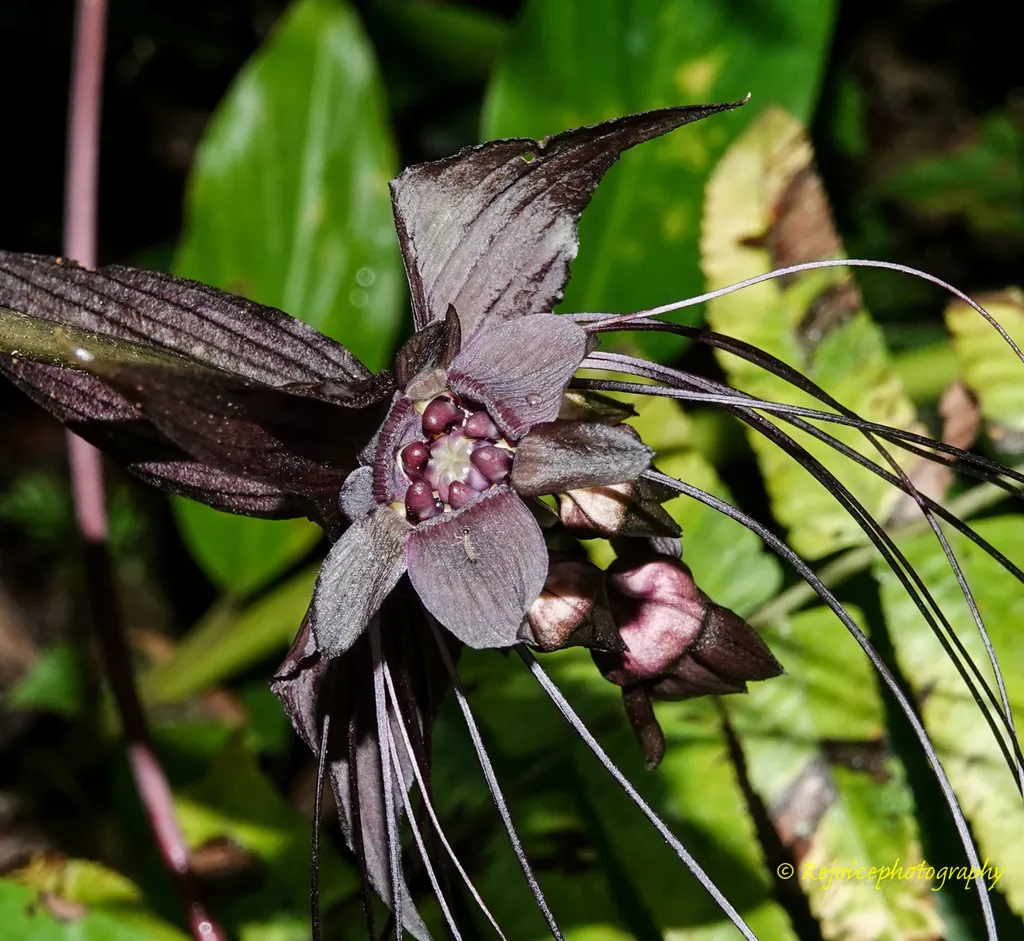
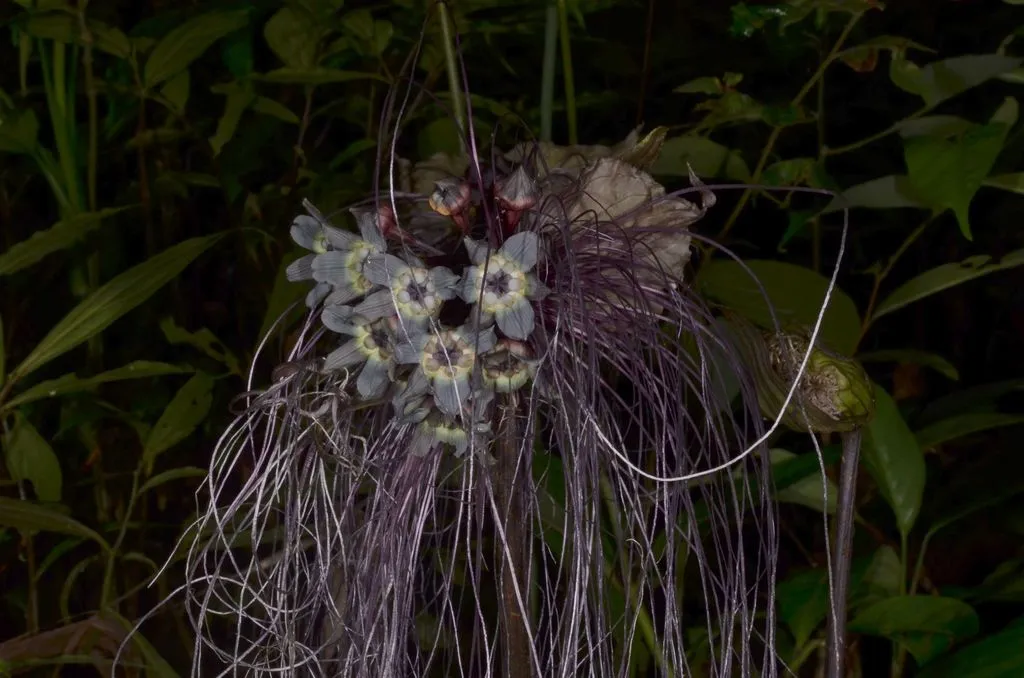
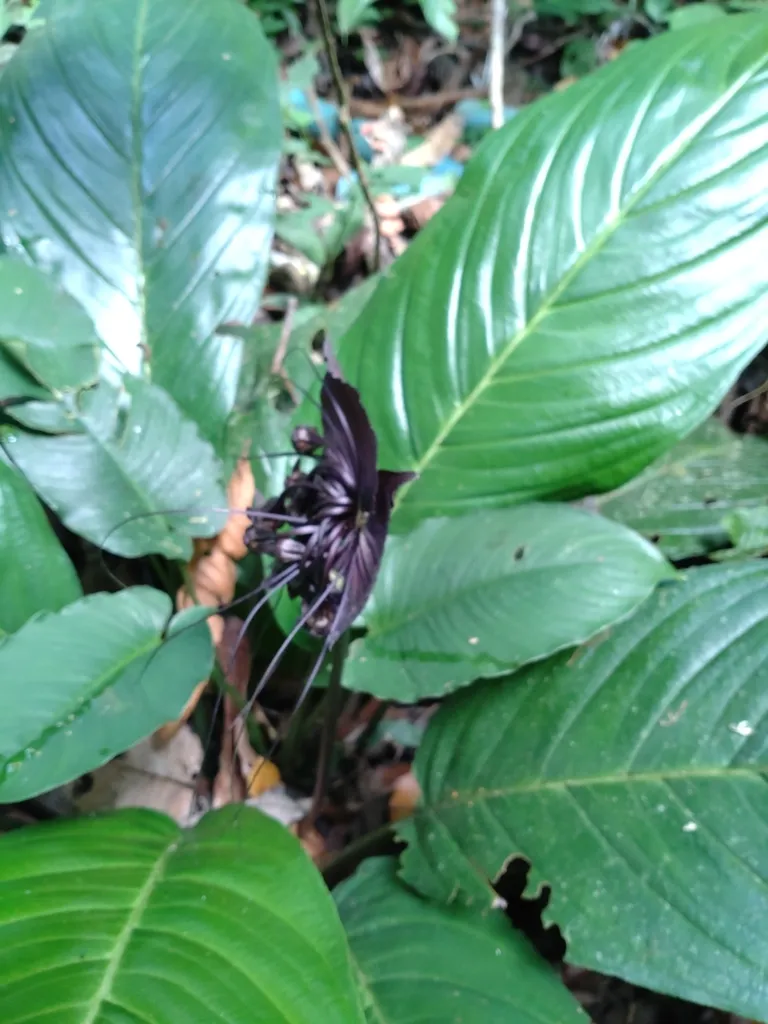
| Care difficulty | 2 / 5 |
|---|---|
| Watering schedule | Moderate regular watering, allowing brief slight drying between soakings |
| Sunlight requirements | Partial shade |
| Ideal temperature | Information to be completed |
| Soil type | Loam |
| Soil pH | Acid |
| Soil moisture | Moist but well drained |
| Fertilizing | Balanced perennial feed every four weeks from spring through summer |
| Toxicity | Information to be completed |
How to Water cat's whiskers?
Moderate regular watering, allowing brief slight drying between soakings
Learn more →What Are the Sunlight Requirements for cat's whiskers?
Partial shade
Learn more →What Soil Is Best for cat's whiskers?
- Soil type
- Loam
- Soil pH
- Acid
What Are the Moisture Requirements for cat's whiskers?
Moist but well drained
Learn more →How to Fertilize cat's whiskers?

Balanced perennial feed every four weeks from spring through summer
Learn more →How to Prune cat's whiskers?

No pruning required
Learn more →How to Propagate cat's whiskers?

Propagate by seed, sown on the surface at 22-27ºC in spring; by division in spring; or by root cuttings of transverse sections of rhizomes with at least one bud, in spring
Learn more →How to Plant cat's whiskers?
In cooler climates, grow in a warm greenhouse (minimum 13ºC) in a mix of equal parts leaf mould and coarse bark, with added slow-release fertilizer, in bright filtered light, water freely all year, and in summer apply a half-strength foliar fertilizer every month, and mist the leaves regularly; pot on every two or three years, removing old, decaying rhizomes; in warmer climates, grow outdoors in fertile, leafy, acidic, moist but well-drained soil in partial shade
Learn more →Common Pests & Diseases

Diseases
May be affected by grey mould (Botrytis)
Pests
May be affected by glasshouse red spider mites and by tarsonemid mites
Explore the plant health library →