
cat's whiskers
Also known as: devil flower; bat flower
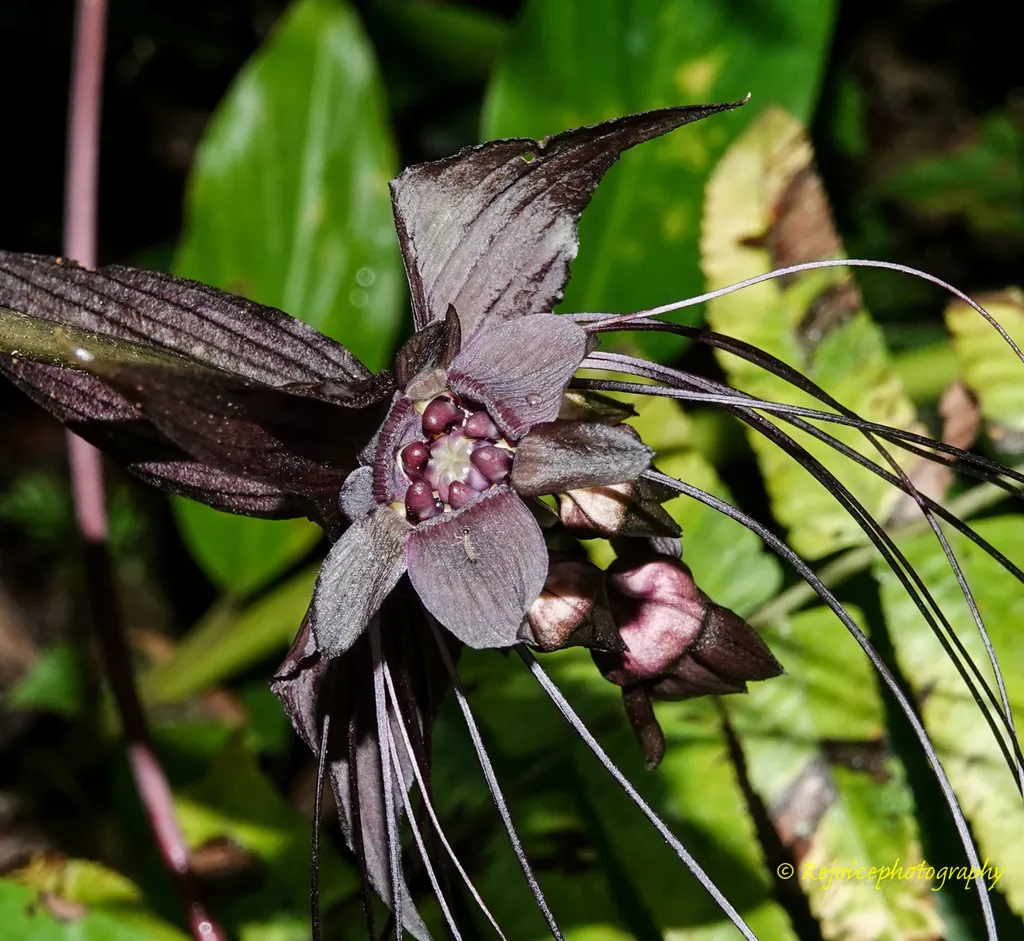
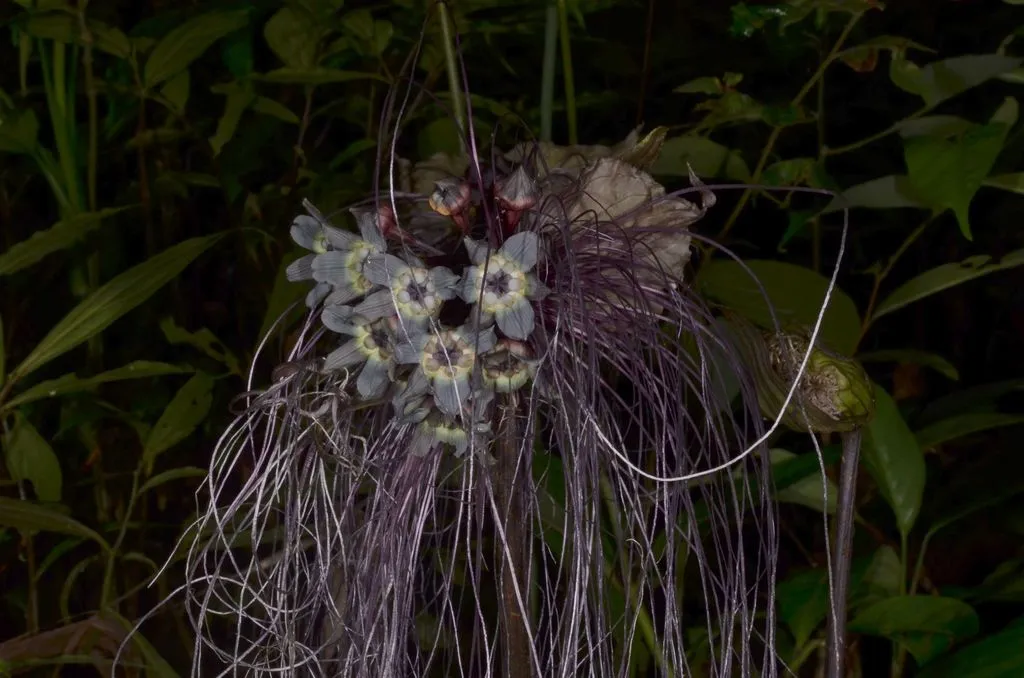
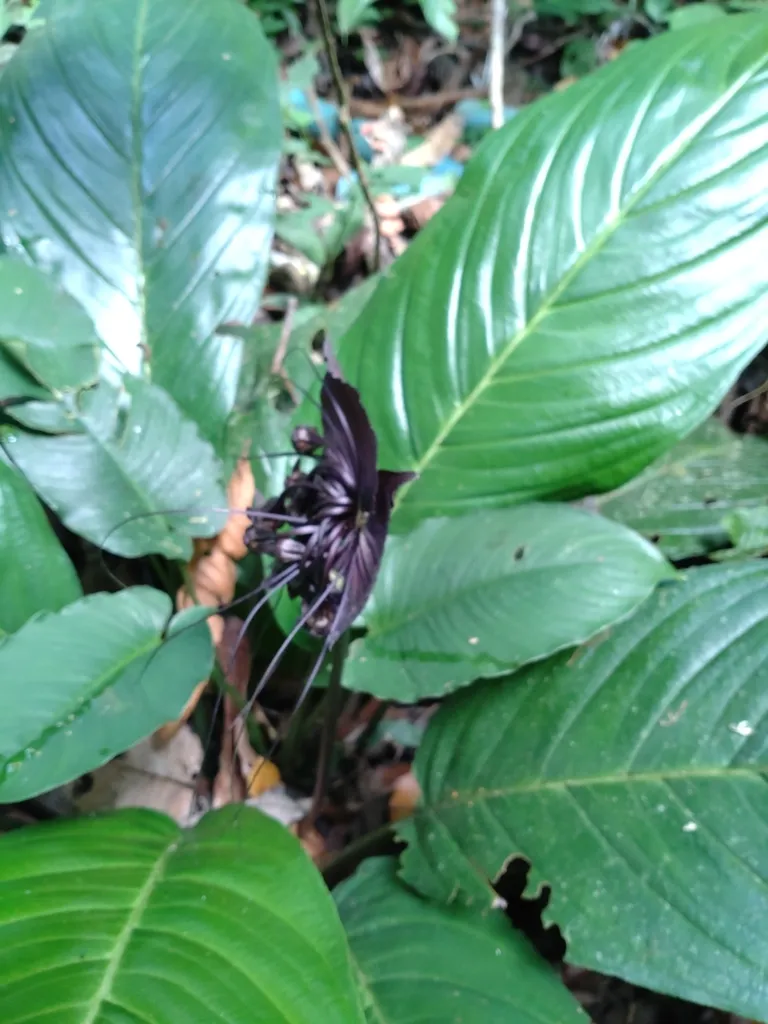
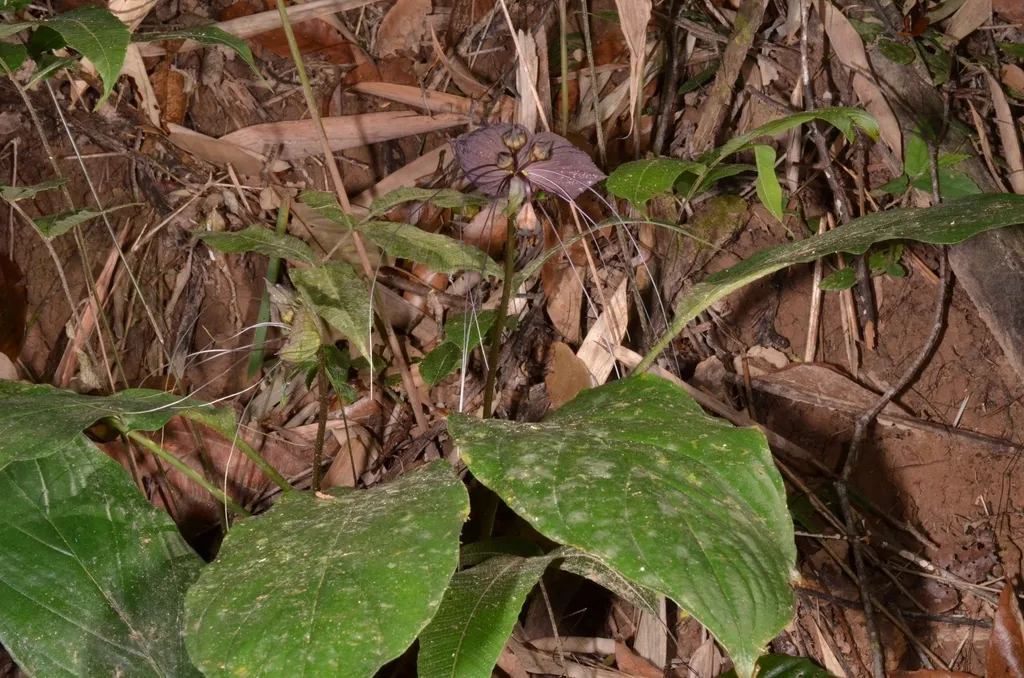
An erect, rhizomatous herbaceous perennial up to 1m high, with oblong or lance-shaped leaves, 17-55cm long, dark green above and paler beneath, and leafless flowerstalks up to 65cm high topped by green, brown or black bracts surrounding umbels of flowers which have five green petals and dark green, maroon or black thread-like appendages, 25cm long, in summer
Scientific classification
- Species
- cat's whiskers (Tacca chantrieri)
- Genus
- Tacca
- Family
- Dioscoreaceae
- Order
- Dioscoreales
- Class
- Liliopsida
- Phylum
- Magnoliophyta
- Information to be completed
- Toxicity
- Herbaceous Perennial · Conservatory Greenhouse
- Plant type
- 0.5-1 metres
- Height
- 0.5-1 metres
- Spread
- Evergreen
- Foliage
- Clump forming
- Habit
- Spring · Summer · Autumn · Winter
- Season of interest
- Partial shade
- Sunlight
- Information to be completed
- Ideal temperature









cat's whiskers pictures
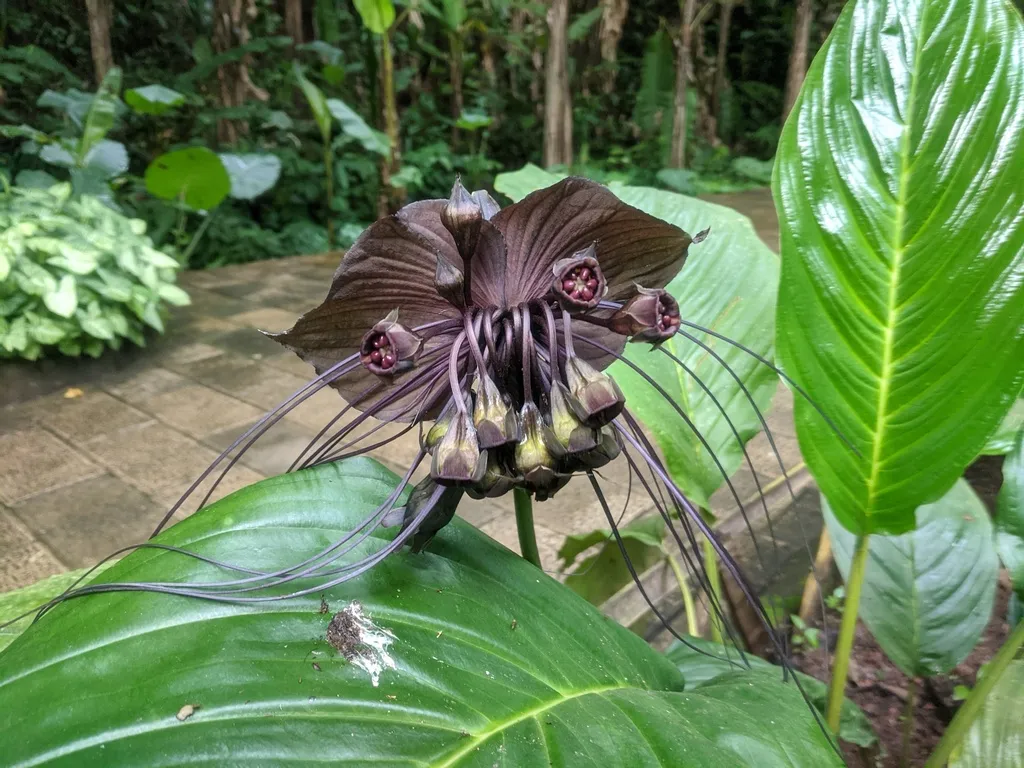
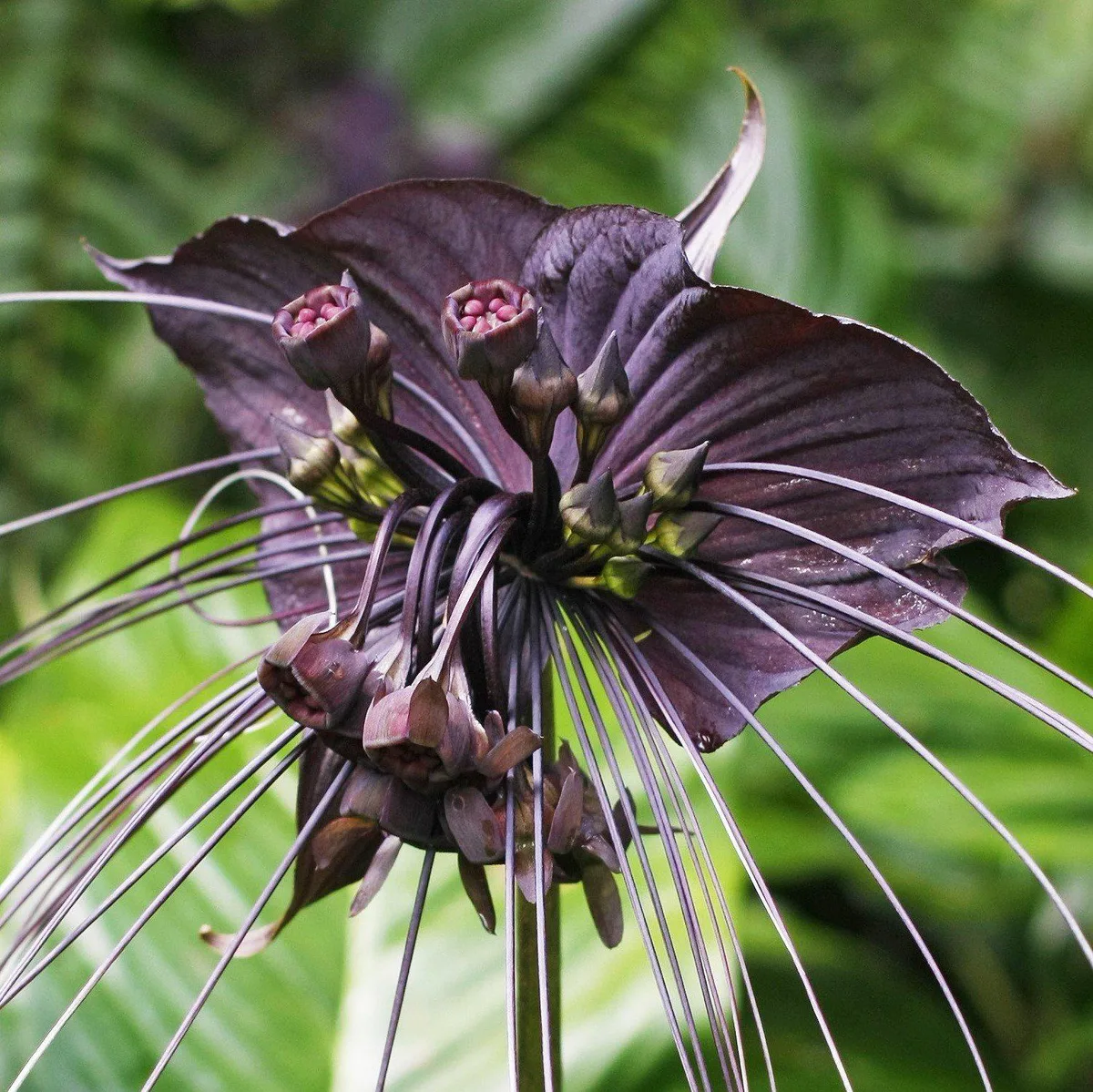
Distribution of cat's whiskers
Distribution map
- Native
- Introduced
- Cultivated
Source:WCVP v16 · Royal Botanic Gardens, Kew · CC BY 3.0 · Boundaries:WGSRPD / TDWG
cat's whiskers care guide
- Moderate regular watering, allowing brief slight drying between soakings
- Watering
- Partial shade
- Sunlight

Watering
Moderate regular watering, allowing brief slight drying between soakings
Fertilizing
 Fertilizing
Balanced perennial feed every four weeks from spring through summer
Pruning
 Pruning
No pruning required
Propagation
 Propagation
Propagate by seed, sown on the surface at 22-27ºC in spring; by division in spring; or by root cuttings of transverse sections of rhizomes with at least one bud, in spring
Growing
 Growing
In cooler climates, grow in a warm greenhouse (minimum 13ºC) in a mix of equal parts leaf mould and coarse bark, with added slow-release fertilizer, in bright filtered light, water freely all year, and in summer apply a half-strength foliar fertilizer every month, and mist the leaves regularly; pot on every two or three years, removing old, decaying rhizomes; in warmer climates, grow outdoors in fertile, leafy, acidic, moist but well-drained soil in partial shade
Common pests and diseases
Diseases
May be affected by grey mould (Botrytis)
Pests
May be affected by glasshouse red spider mites and by tarsonemid mites
Explore the plant health library →




