



Planting and Growing elephant bush

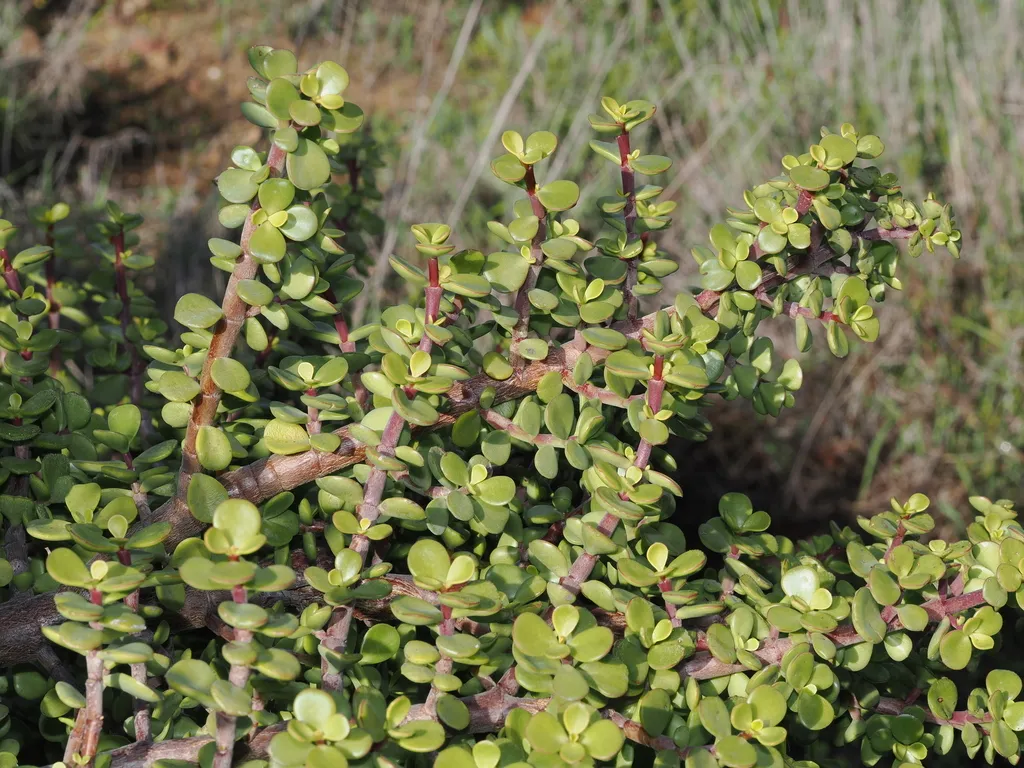
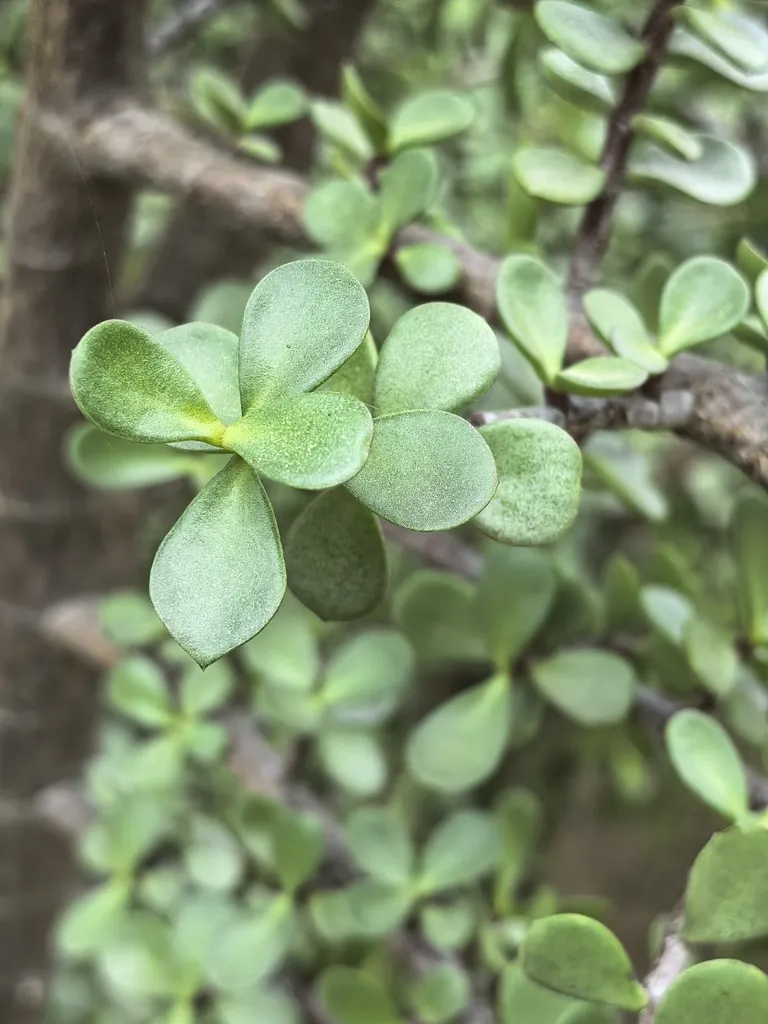
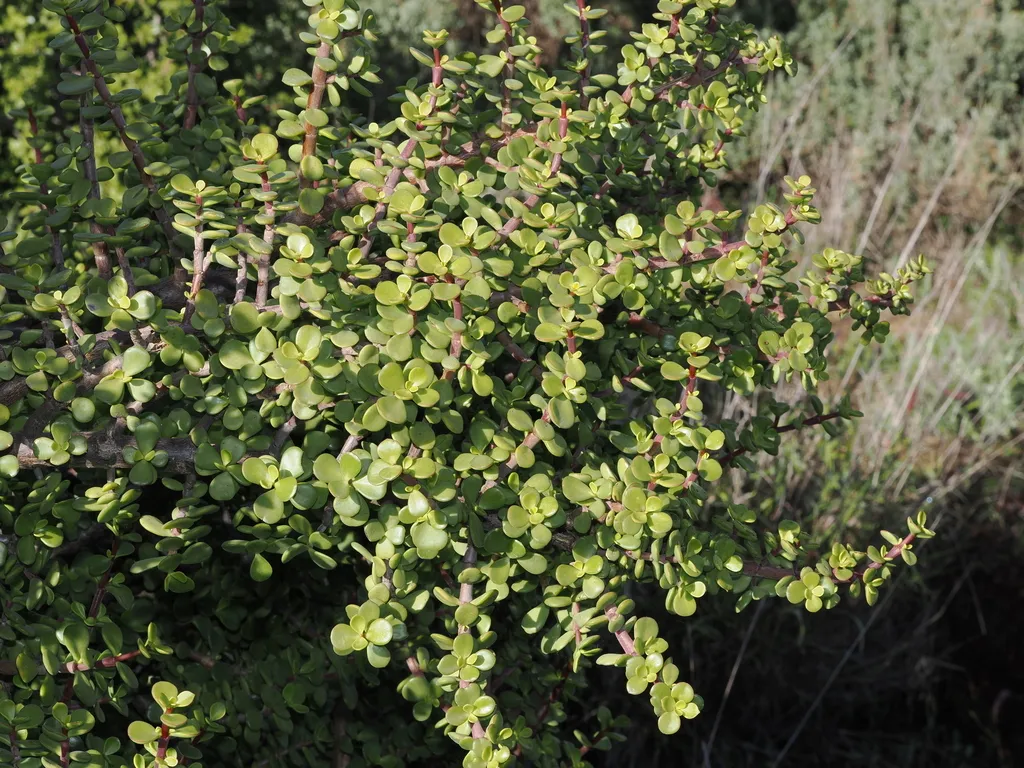
| Care difficulty | 2 / 5 |
|---|---|
| Watering schedule | Soak substrate fully then wait complete dryness to rewater again |
| Sunlight requirements | Full sun · Partial shade |
| Ideal temperature | 18 – 28 °C |
| Soil type | Loam · Sand |
| Soil pH | Acid · Alkaline · Neutral |
| Soil moisture | Well drained |
| Fertilizing | Low-nitrogen diluted succulent feed monthly warm growing season |
| Toxicity | Information to be completed |
How to Water elephant bush?
Originating from arid regions, elephant bush has adapted to thrive with minimal moisture, exhibiting exceptional drought tolerance. Its succulent nature allows it to store water efficiently, making it well-suited for environments with low humidity. The watering regimen for elephant bush should align with its hardy disposition; therefore, it requires hydration once every three weeks. As an evergreen plant typically grown indoors due to its preference for controlled climates, elephant bush benefits from a well-draining soil mix that prevents root rot and mimics its natural dry habitat.
Learn more →What Are the Sunlight Requirements for elephant bush?
Elephant bush thrives in partial sun, benefiting from a balance of light and shade that fosters robust growth. Full sun exposure is well tolerated, often enhancing the succulence and pigmentation of its foliage, although it also increases water demand. Conversely, full shade may result in leggy stems and reduced vigor due to insufficient light for photosynthesis. Outdoors, elephant bush excels in locations offering dappled sunlight that mimics its native habitat. Adaptive traits, such as its ability to adjust leaf orientation to minimize light stress, make elephant bush resilient to various light conditions, ensuring its place in diverse gardening contexts.
Learn more →What Is the Ideal Temperature Range for elephant bush?

Elephant bush shows remarkable adaptability to varying temperatures, tolerating cold as low as 5℃ (41℉) and heat up to 43℃ (109℉). This resilience necessitates protective measures against frost or extreme heat. Symptoms of overcooling include leaf drop and blackened foliage, while overheating may cause shriveled leaves and sunburn. During cold spells, moving elephant bush indoors or providing frost cloth can prevent damage. In intense heat, ensure adequate shade and hydration. These tolerances make elephant bush suitable for a wide range of environments, yet caution is needed to mitigate extreme conditions.
Learn more →What Soil Is Best for elephant bush?
Fertile, well-drained sandy soil with good air permeability is best for elephant bush. It prefers slightly acidic to neutral soils. Don't plant it in clay, for if the soil is poorly drained, the plant may develop rotten roots. This plant grows better in peat-based soils mixed with small amounts of perlite and vermiculite.
- Soil type
- Loam · Sand
- Soil pH
- Acid · Alkaline · Neutral
What Are the Moisture Requirements for elephant bush?
Well drained
Learn more →How to Fertilize elephant bush?

For optimal growth, fertilize elephant bush biannually with succulents and cacti food, most beneficial in spring and fall. This feeding schedule aligns with active growth phases, promoting vigor and potential blooms. Apply fertilizer at a quarter-strength to prevent root burn, ensuring a light but effective nutrient boost. Avoid winter fertilization as elephant bush enters dormancy. Always water elephant bush before feeding to aid in nutrient absorption and minimize root stress. Adhering to this regimen caters to elephant bush's specific nutritional needs.
Learn more →How to Prune elephant bush?

With sufficient moisture and nutrients, elephant bush grows fast and branches a lot. It needs to be pruned to maintain a beautiful shape. In late spring or early summer, keep the main trunk and cut off 1/2-2/3 of the thinner branches, shaping it with a wide bottom and narrow top. When pruning branches, cut off some of the crossed inward-growing and denser branches to prevent them from ruining the shape in later growth. When repotting, cut off rotten or excess fine roots.
Learn more →How to Propagate elephant bush?

Elephant bush is a succulent known for its resilience and ease of care, making it a popular choice for beginner gardeners. To propagate, select a healthy stem and allow the cut end to callous for a few days before planting in well-draining soil. Water sparingly until roots establish. This method supports healthy root development, ensuring robust growth.
Learn more →How to Transplant elephant bush?
The best time to transplant elephant bush is mid-spring to late-spring, or mid-fall to late-fall, as this allows it to establish in favorable conditions. Choose a sunny location with well-draining soil, and don't forget to water it well after transplanting, ensuring a successful transition.
Learn more →How to Care for elephant bush in Winter?

As a native to South Africa's semi-arid landscapes, elephant bush is naturally suited to dry winters. Think warmth and sunlight to mimic this climate, as elephant bush thrives in bright, indirect light and temperatures above freezing. Offering just enough water to its thick, water-storing leaves is key to winter care, carefully avoiding the risk of root rot from overwatering.
Learn more →How to Plant elephant bush?
Indoors-potted: Ensure elephant bush isn't overcrowded in its pot to avoid stunted growth; it thrives with room to sprawl indoors. Outdoors-potted: Outdoor potted elephant bush should be sheltered from heavy rain to prevent root rot due to excess moisture. Outdoors-in the ground: Elephant bush may struggle outdoors in cold climates as it prefers warmer conditions, protect from frost.
Learn more →How to Repot elephant bush?
To accommodate elephant bush's robust, shrubby growth, repot every 2-3 years in spring when energy is high for rapid recovery. Choose a container size up from its current to avoid overcrowding roots, ensuring a pot with good drainage. Post-repotting, water sparingly and provide bright, indirect light to foster resilience and promote vigorous new growth in elephant bush. Friendly and consistent care will ensure elephant bush's thriving presence.
Learn more →Common Pests & Diseases

Diseases
Generally disease-free
Pests
May be susceptible to scale insects
Explore the plant health library →Troubleshooting
Dropping Leaves (Overwatering vs. Severe Underwatering)
Portulacaria afra (elephant bush / dwarf jade, in Didiereaceae rather than Crassulaceae) drops its small, round succulent leaves when either kept in wet, poorly drained soil or allowed to dry out too severely indoors.
| What you notice | Possible explanation | What to check next |
|---|---|---|
| Plump green or yellowed leaves drop easily at a touch while potting mix stays wet or heavy | Overwatering or root/stem rot in poorly draining soil | Stop watering immediately, empty standing water, and check the woody stems and roots for soft dark rot. |
| Leaves look wrinkled, flat, and dull and drop while potting mix is completely bone-dry | Underwatering (Portulacaria afra has thinner leaves than Crassulaceae jade and needs slightly more regular watering in warm bright light) | Confirm the gritty mix is dry from top to bottom, then soak thoroughly and drain. |
- Allow the gritty potting mix to dry out nearly completely between thorough waterings (checking leaf plumpness and soil dryness), and water sparingly in cool winter conditions.
- Grow in a fast-draining cactus/succulent or bonsai mix (such as pumice, perlite, coarse grit, and minimal peat/bark) in a container with open drainage holes.
- Place in bright light with several hours of direct sunlight daily (a sunny south- or west-facing window indoors).
Portulacaria afra is non-toxic to cats and dogs (unlike true Crassula ovata jade, which is toxic to pets).
Leggy Branches or Fading Variegation
Elephant bush responds wonderfully to bright light and spring/summer pinching, making it a classic bonsai and hanging-basket succulent.
| What you notice | Possible explanation | What to check next |
|---|---|---|
| Stems grow long and sparse with wide gaps between small leaves, or cream variegation ('Variegata') fades | Insufficient direct sunlight or lack of pinching | Move closer to a sunny window and pinch back leggy shoot tips just above a pair of leaves. |
- Provide at least 4 to 6 hours of direct sunlight or very bright filtered light daily.
- Pinch or prune shoot tips in spring and summer to encourage dense, woody ramification, and root cut stem pieces easily after letting cuts callous for 2 to 3 days.
- Feed lightly once a month during spring and summer with a diluted balanced fertilizer, and skip feeding in winter.
In its native South Africa, Portulacaria afra is called 'spekboom' and is browsed by elephants and livestock.