
elephant bush
Also known as: porkbush; rainbow bush; spekboom; tree purslane
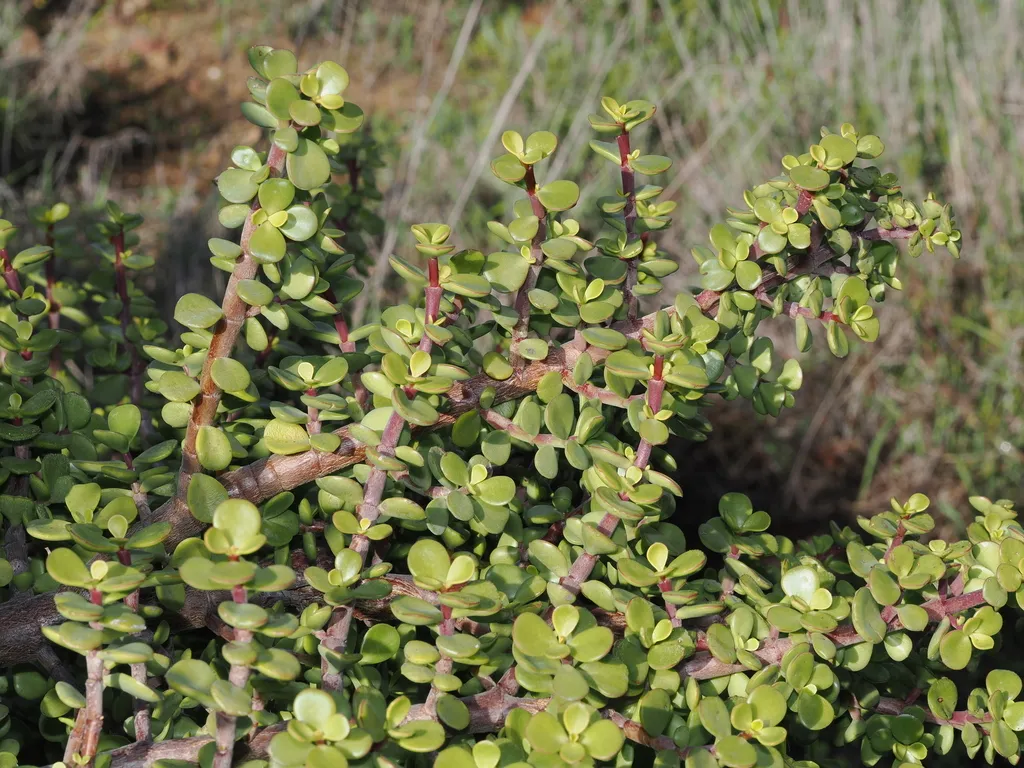
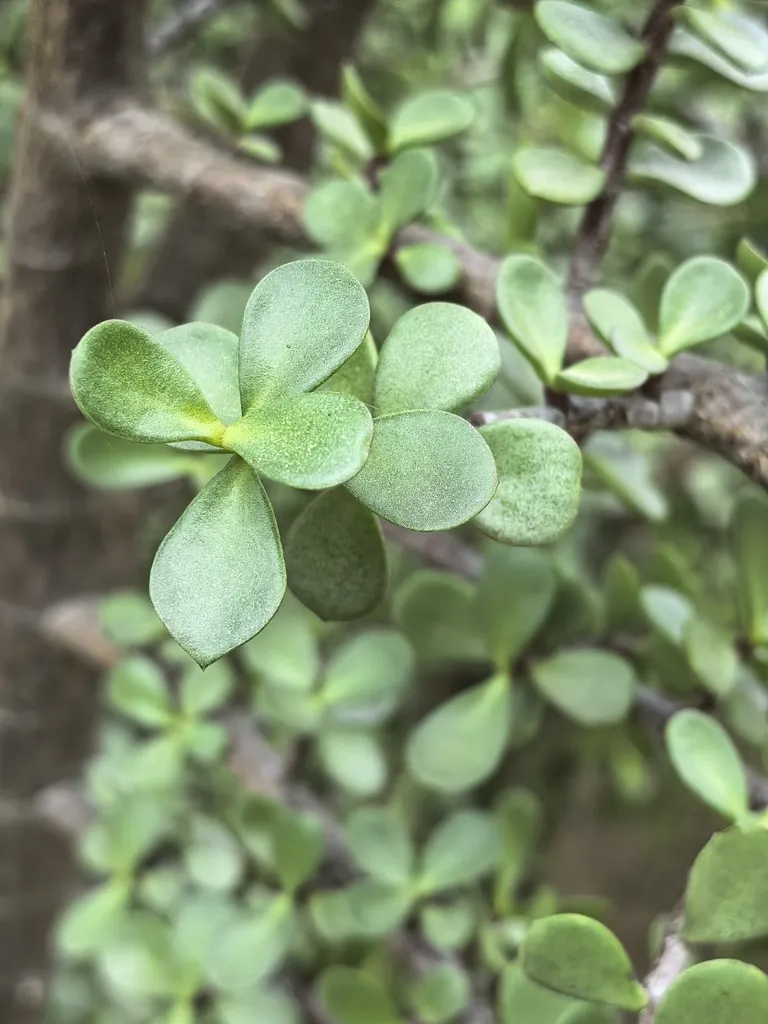
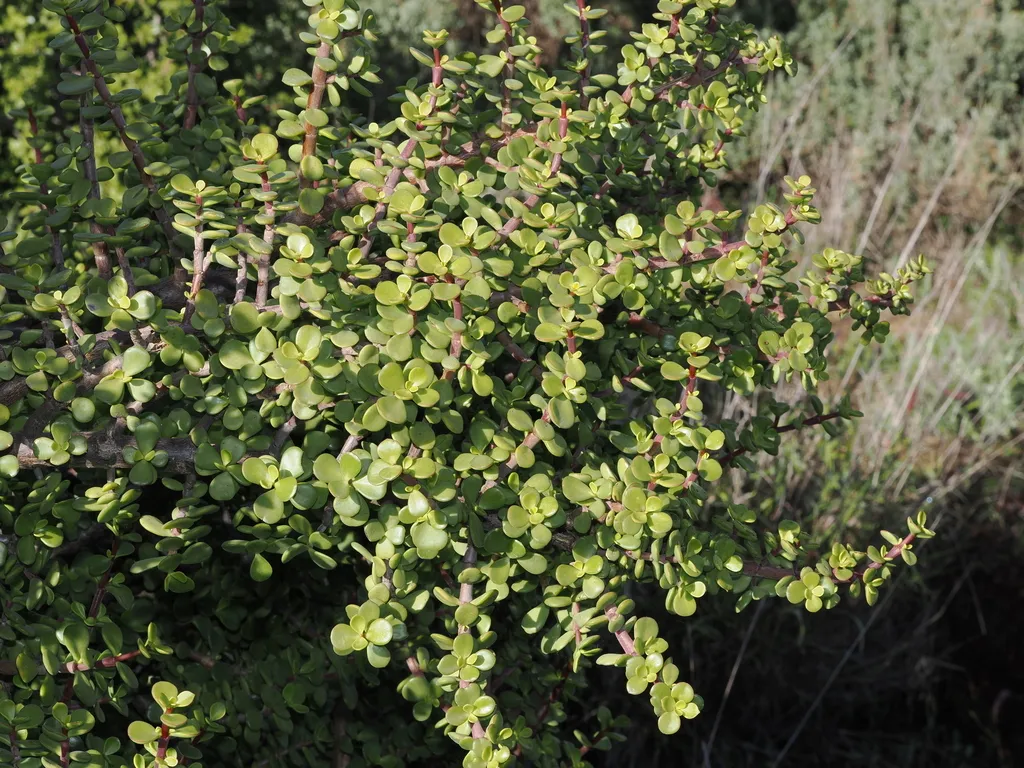
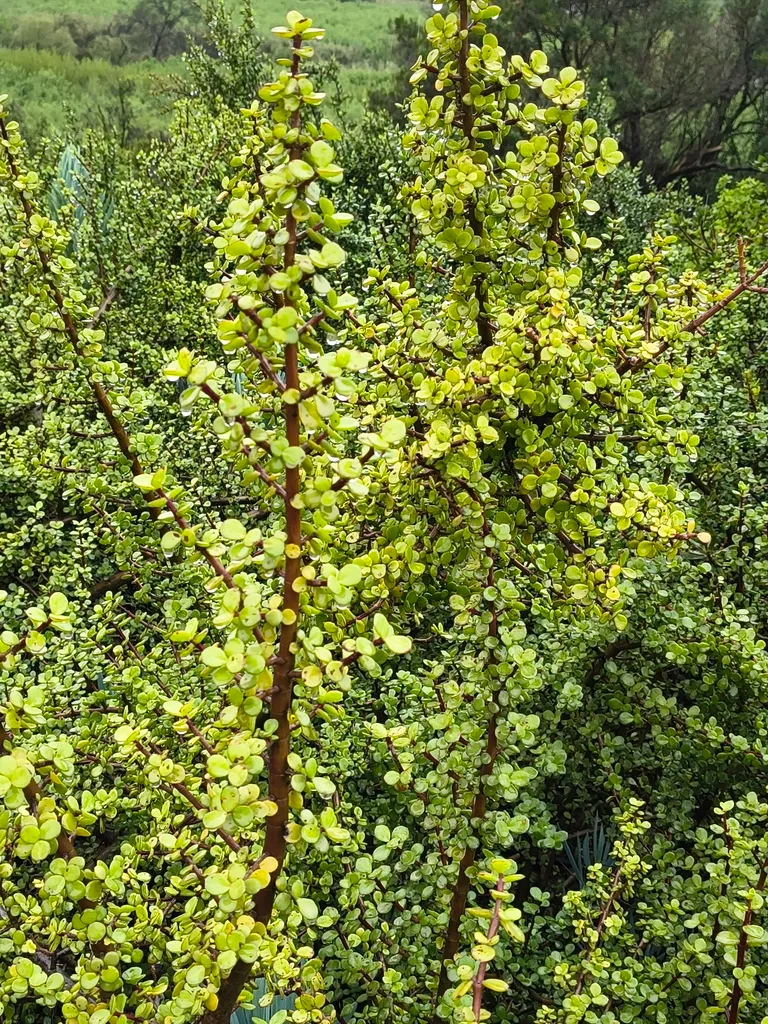
A slow-growing, evergreen succulent shrub with small, fleshy, glossy green leaves. Mature stems have greyish bark and young stems are often flushed with red. Clusters of tiny, saucer-shaped pale pink flowers are produced at the tips of the stems in summer
Scientific classification
- Species
- elephant bush (Portulacaria afra)
- Genus
- Portulacaria
- Family
- Didiereaceae
- Order
- Caryophyllales
- Class
- Magnoliopsida
- Phylum
- Magnoliophyta
- Information to be completed
- Toxicity
- Cactus Succulent · Shrubs · Houseplants
- Plant type
- 1.5-2.5 metres
- Height
- 1-1.5 metres
- Spread
- Evergreen
- Foliage
- Bushy
- Habit
- Spring · Summer · Autumn · Winter
- Season of interest
- Full sun · Partial shade
- Sunlight
- 18 – 28 °C
- Ideal temperature









elephant bush pictures
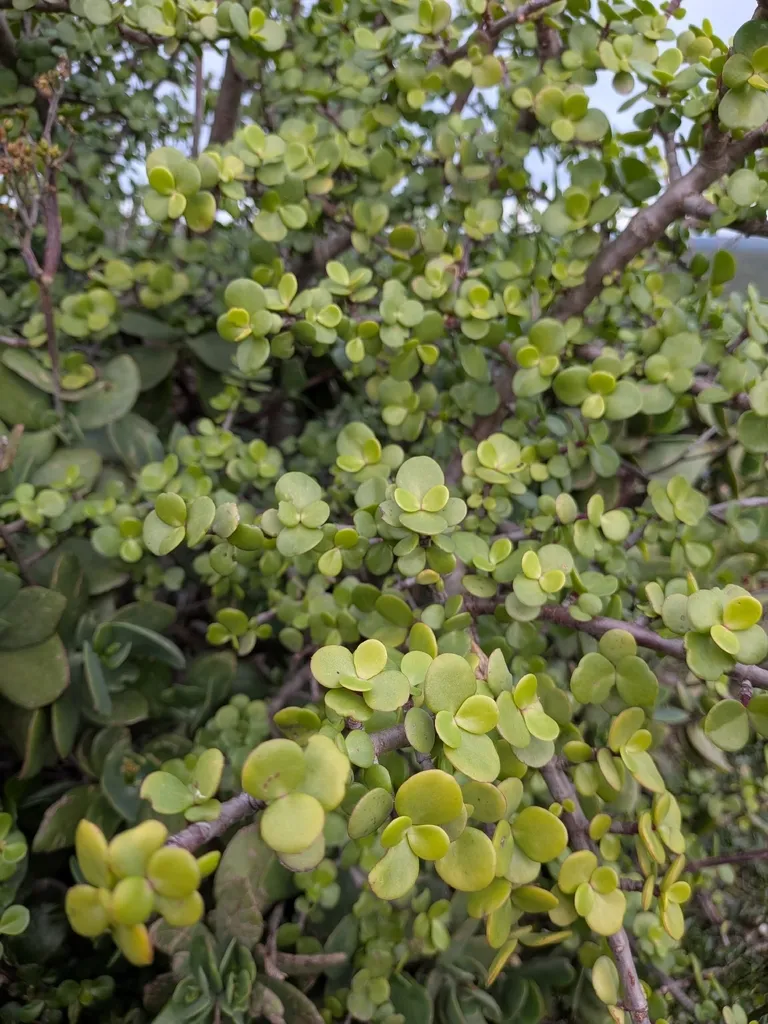
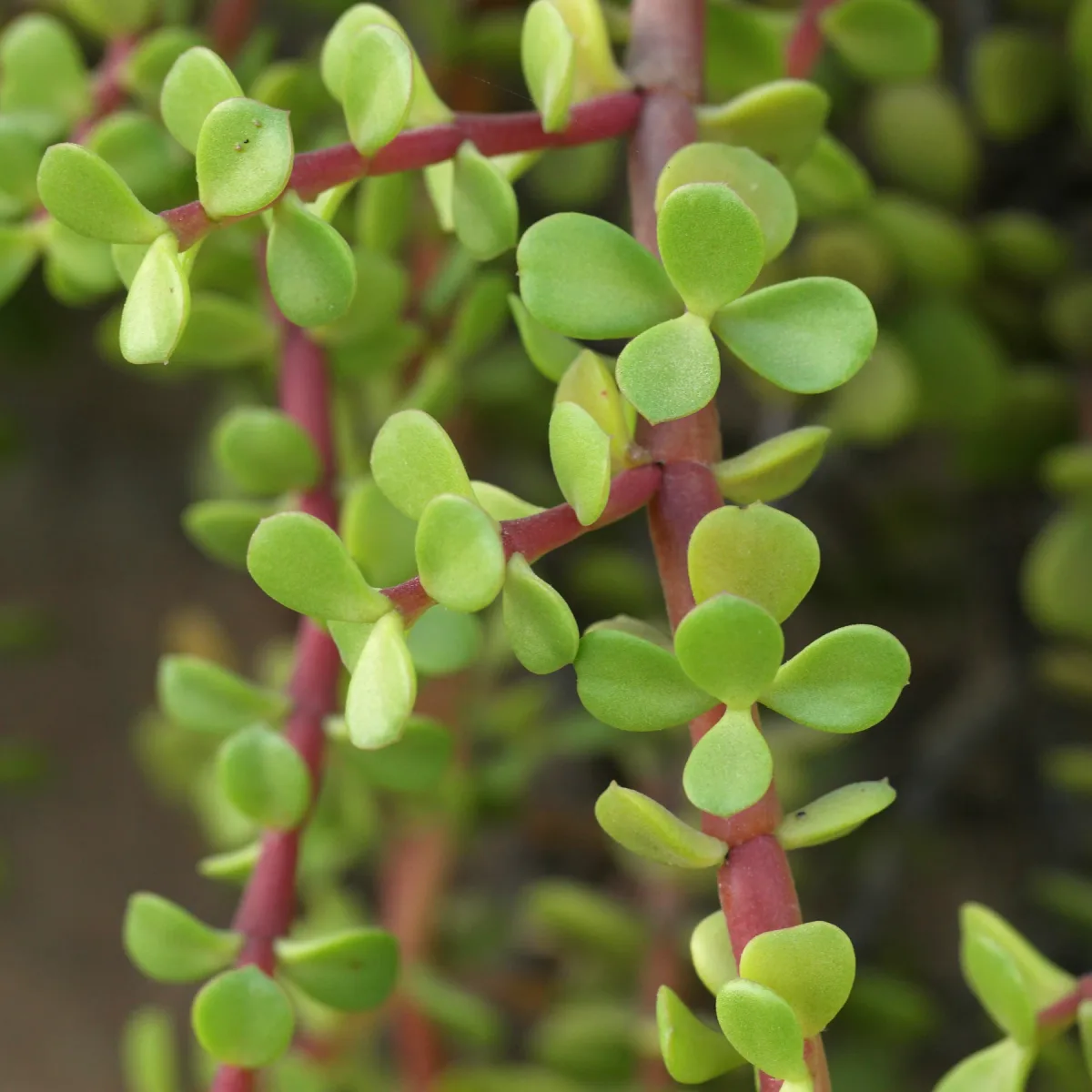
Distribution of elephant bush
Distribution map
- Native
- Introduced
- Cultivated
Source:WCVP v16 · Royal Botanic Gardens, Kew · CC BY 3.0 · Boundaries:WGSRPD / TDWG
elephant bush care guide
- Soak substrate fully then wait complete dryness to rewater again
- Watering
- Full sun · Partial shade
- Sunlight
- 18 – 28 °C
- Ideal temperature

Watering
Soak substrate fully then wait complete dryness to rewater again
Fertilizing
 Fertilizing
Low-nitrogen diluted succulent feed monthly warm growing season
Pruning
 Pruning
Little pruning is needed. Remove diseased, damaged, crowded or crossing shoots and unwanted growth. Timing depends on the plant: generally late winter or early spring; plants prone to bleeding and deciduous magnolias need different timing, and deciduous azaleas and lilacs are pruned after flowering.
Propagation
 Propagation
Propagate by softwood cuttings, rooting sections of stem with bottom heat in spring
Growing
 Growing
Grow in very well-drained compost, such as cactus compost, in bright but indirect light. Water well between mid-spring and mid-autumn; keep almost dry at other times. See houseplant cacti and succulent cultivation
Common pests and diseases
Diseases
Generally disease-free
Pests
May be susceptible to scale insects
Explore the plant health library →




